Imagine a Saturday morning cartoon score re-interpreted by a group of elite session musicians who have replaced their blood with espresso. The sound is incredibly sharp, dry, and precise, eschewing the typical atmospheric wash of metal for a clinical clarity where every single pick attack and drum fill is audible. It is music that feels like a complex machine operating at maximum speed, yet it maintains a bizarre sense of humor and playfulness that prevents it from feeling cold.
What truly sets this apart is the concept of 'musical mimicry.' The guitars don't just play riffs; they often mirror the cadence of human speech or the physical movements of animated characters. This creates a restless, twitchy energy where melodies zig and zag in ways that defy traditional songwriting logic. It is a masterclass in controlled chaos, where the 'spastic' nature of the performance is actually governed by rigid, mathematical precision.
Start with 'Ink Complete' if you want to hear the foundational instrumental chemistry of the Jarzombek brothers. If you prefer a slightly more varied approach with guest vocalists and even more ambitious conceptual tracks, 'Ink Compatible' is the definitive statement of their 'cartoon-fusion' philosophy.
Spastic Ink was an American progressive metal band.


Shares math rock, explosive bursts, progressive metal, digital clarity (subgenre)
Shares math rock, progressive metal, jazz fusion, digital clarity (subgenre)
Shares math rock, progressive metal, jazz fusion, instrumental only (subgenre)
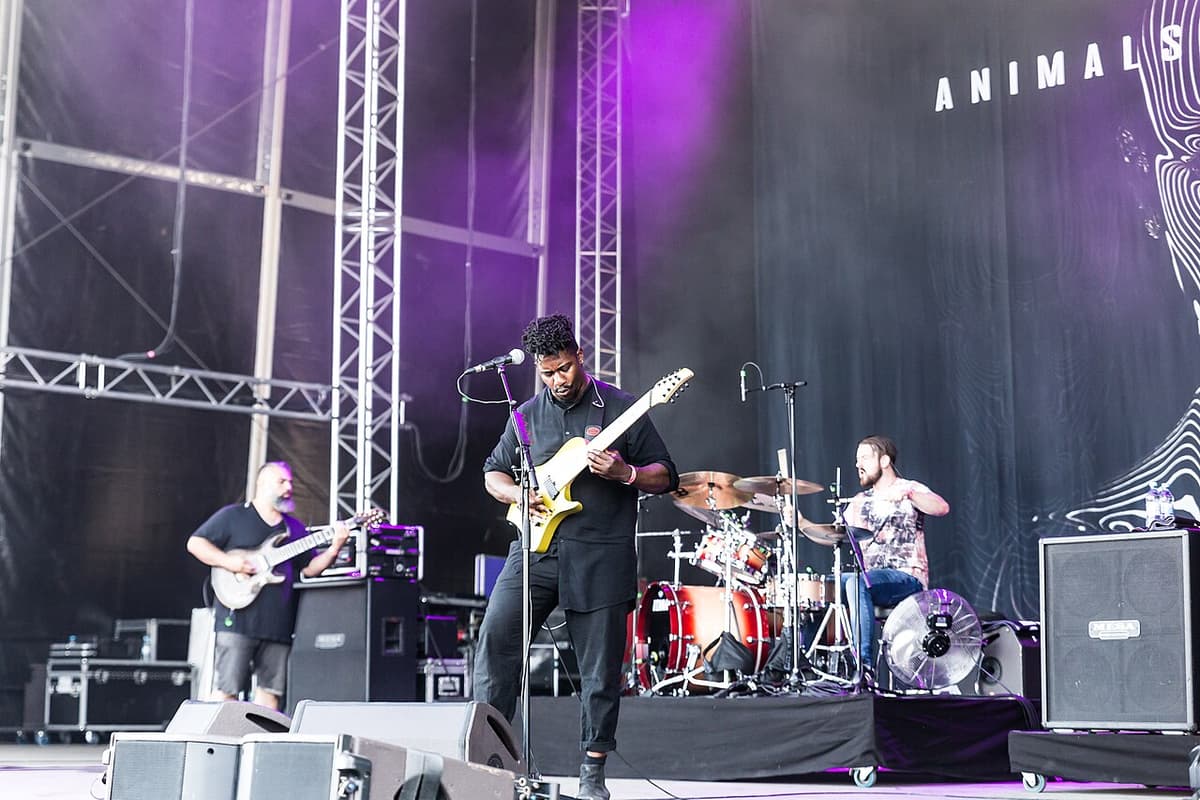
Shares math rock, progressive metal, jazz fusion, digital clarity (subgenre)
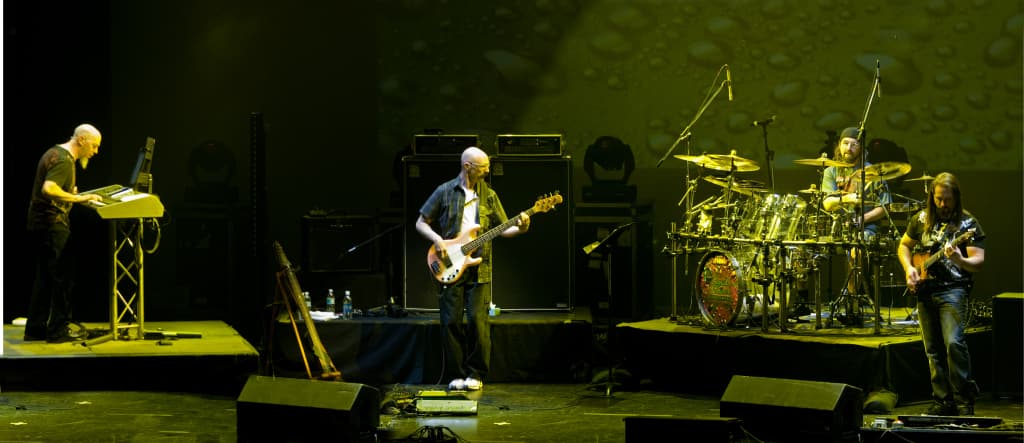
Shares math rock, progressive metal, jazz fusion, playful (subgenre)
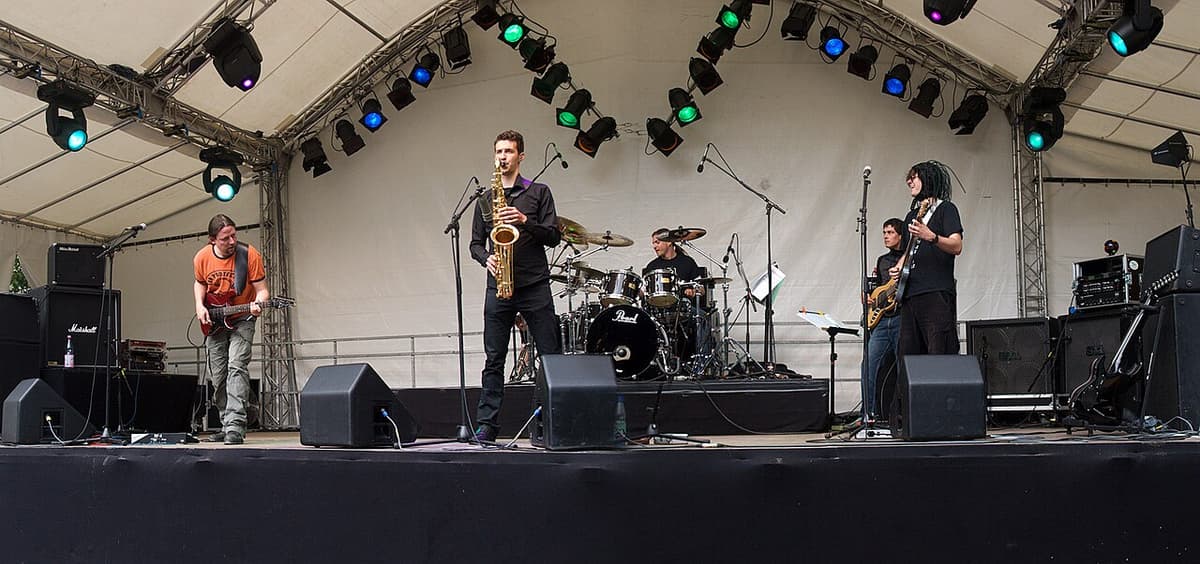
Shares math rock, progressive metal, jazz fusion, instrumental only (subgenre)
Shares math rock, progressive metal, digital clarity, instrumental only (subgenre)
Cassette uses generative AI to enrich its catalog. How we use AI →