Stefan Waggershausen occupies a unique space in German music, blending the emotional directness of Schlager with the sophisticated textures of art pop and soft rock. His music is defined by a deep, gravelly baritone that carries a sense of lived-in experience and weary romanticism. It is the sound of the city at night, filled with echoes of saxophone, warm analog synthesizers, and meticulously crafted melodies that bridge the gap between radio-friendly pop and intimate storytelling.
What truly sets him apart is his mastery of the duet. By pairing his rugged, masculine voice with international female vocalists like Alice, Ofra Haza, and Viktor Lazlo, he creates a dramatic tension that elevates his songs into mini-cinematic experiences. These collaborations aren't just guest spots; they are essential dialogues that explore the complexities of desire, distance, and the passage of time, often set against a backdrop of lush, eighties-inflected production.
For those new to his catalog, starting with his mid-eighties work provides the clearest window into his aesthetic. He is the perfect choice for listeners who appreciate the moody atmosphere of Leonard Cohen or the polished pop-rock of Chris Rea, but want it delivered with a distinctly European, nocturnal sensibility. It is music for reflection, best served when the world has quieted down.
Stefan Waggershausen (born 20 February 1949) is a German singer, composer, and songwriter. Waggershausen was born in Friedrichshafen, at Lake Constance. In 1974 he produced his first record as singer. In 1980, he had his first big success with the song "Hallo Engel". Further songs were released, partly sung together with Ofra Haza and María Conchita Alonso. The biggest commercial success of Waggershausen's career were the 1984 duet "Zu nah am Feuer" with Italian singer-songwriter Alice and the 1990 duet Das erste Mal tat's noch weh with Viktor Lazlo.


Shares analog warmth, studio polished, reverb heavy (production style); soft rock (subgenres)

Shares studio polished, analog warmth, orchestral arrangement (production style); baritone, crooning, breathy (vocal style)
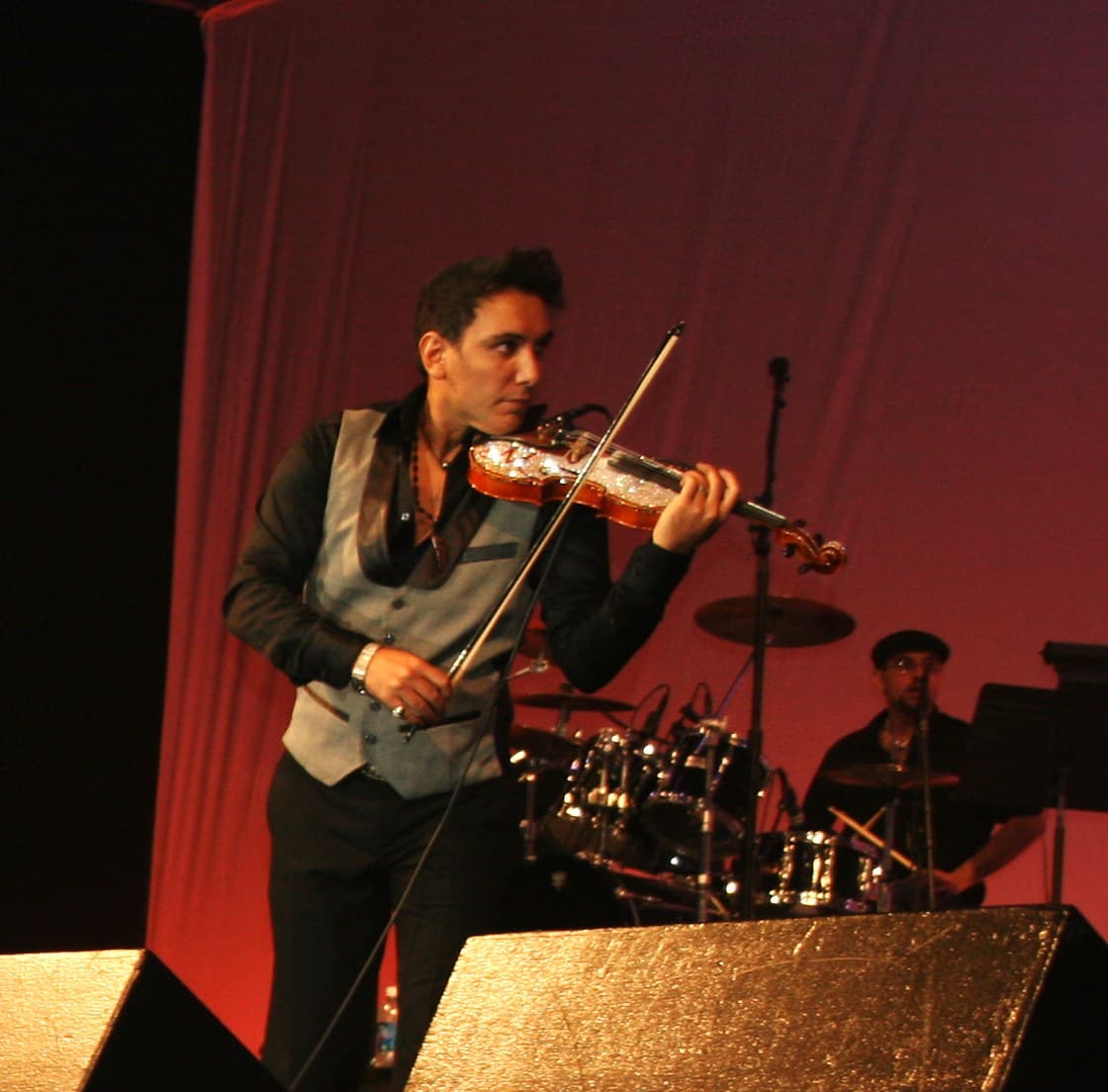
Shares melancholic, romantic, nostalgic (moods); studio polished, analog warmth, orchestral arrangement (production style)

Shares soft rock, art pop (subgenres); studio polished, analog warmth, orchestral arrangement (production style)
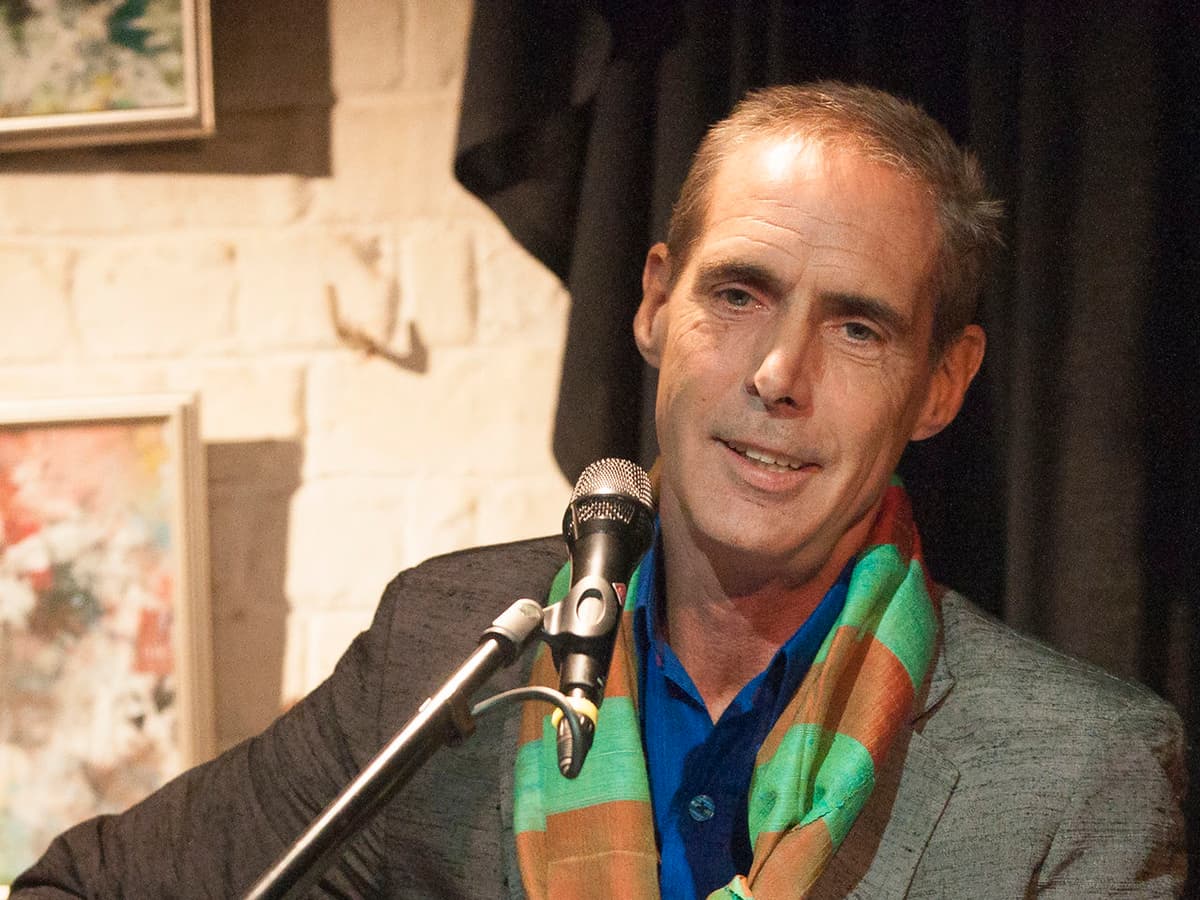
Shares soft rock, traditional pop, art pop (subgenres); studio polished, analog warmth, reverb heavy (production style)

Shares soft rock, traditional pop (subgenres); studio polished, analog warmth, orchestral arrangement (production style)
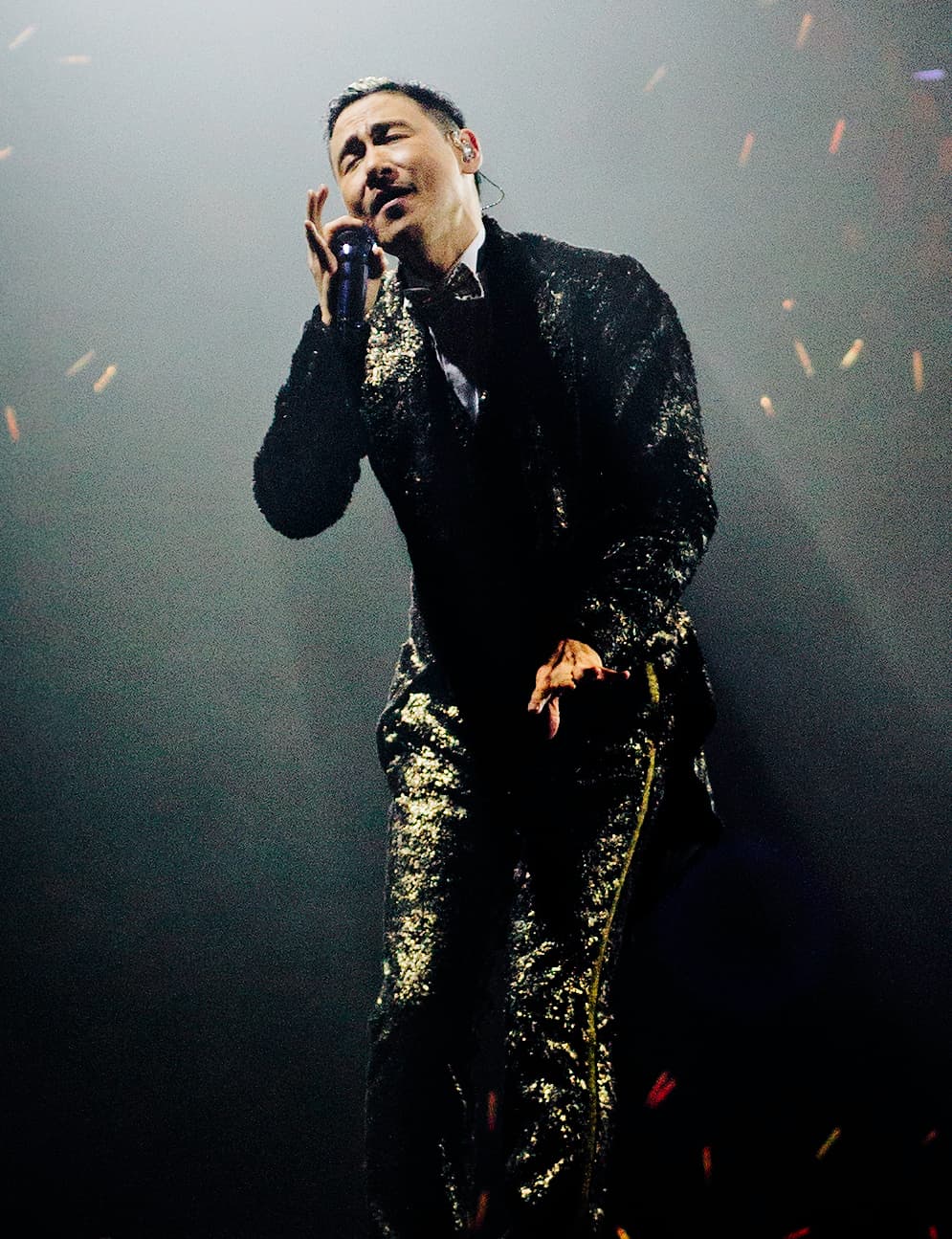
Shares studio polished, analog warmth, orchestral arrangement (production style); late night, rainy day, urban night (atmosphere)
Shares soft rock, traditional pop, art pop (subgenres); studio polished, analog warmth, orchestral arrangement (production style)


Cassette uses generative AI to enrich its catalog. How we use AI →