Strachy na Lachy
Literary, melancholic rock that feels like a late-night conversation in a Poznań dive bar. Poetic social commentary wrapped in warm acoustic and electric textures.
Literary, melancholic rock that feels like a late-night conversation in a Poznań dive bar. Poetic social commentary wrapped in warm acoustic and electric textures.
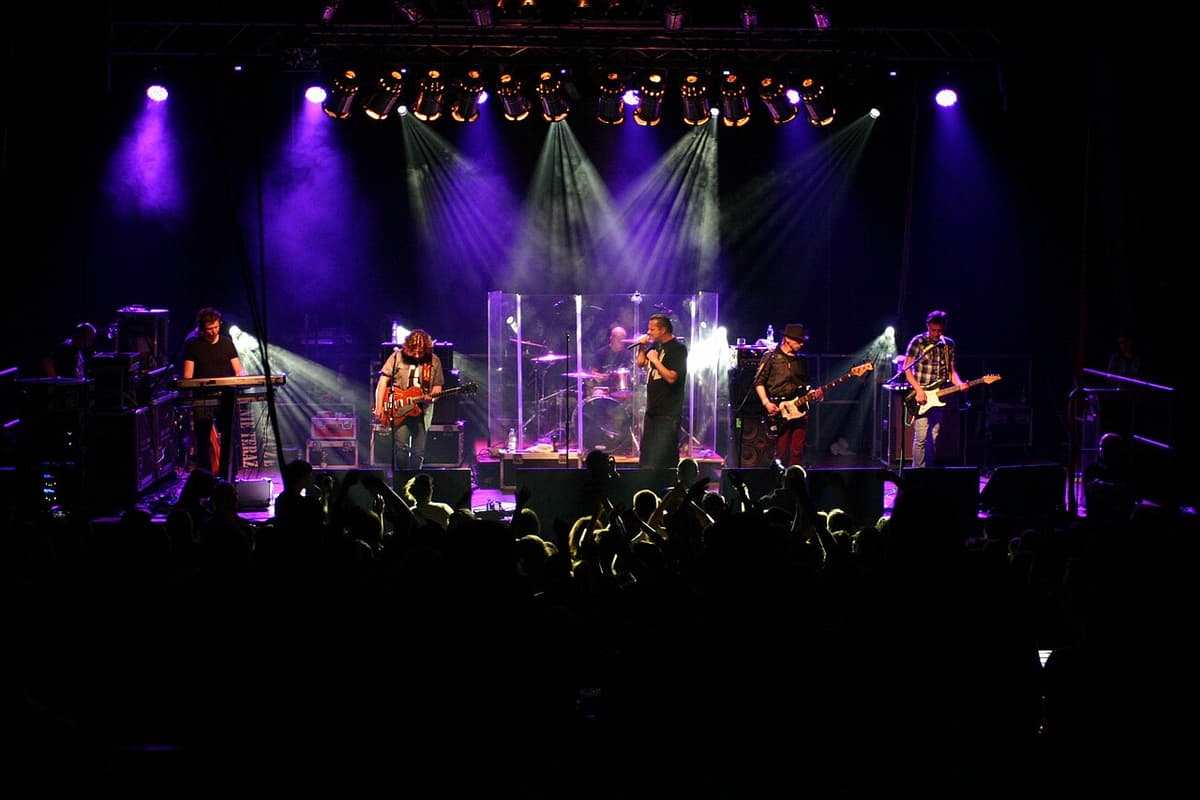
Strachy na Lachy sounds like the weary but sharp-witted cousin of Polish punk. It is music built on the foundation of Krzysztof 'Grabaż' Grabowski's distinctive, raspy vocals and his unparalleled ability to weave complex, literary lyrics into accessible melodies. The sound often oscillates between the intimacy of a wooden acoustic guitar and the fuller, more textured arrangements of contemporary alternative rock, occasionally dipping into reggae rhythms or noisy indie-rock distortions.
What makes them truly distinctive is their 'bardic' DNA. While they emerged from the punk scene, they carry the torch of the Polish protest-song tradition, modernizing it for a post-communist landscape. Their music captures a specific brand of Polish melancholy - a mixture of intellectual bitterness, romantic disappointment, and a stubborn, defiant hope. It is music that feels deeply rooted in the geography and social fabric of Poland, yet remains emotionally universal.
For those new to the band, Dodekafonia is the essential starting point. It represents their most mature and cohesive work, balancing their melodic sensibilities with a darker, more abrasive edge that perfectly mirrors the lyrical themes of social frustration and existential weariness. It is an album that demands attention to the words as much as the music.
Strachy Na Lachy (properly Międzymiastówka Muzykująca Strachy Na Lachy) is a Polish rock band (originally known as Grabaż + Ktoś Tam Jeszcze before becoming Grabaż i Strachy Na Lachy). Strachy Na Lachy (Empty Threats) is led by Krzysztof "Grabaż" Grabowski and Andrzej "Kozak" Kozakiewicz, who also play in the punk group Pidżama Porno. They formed Strachy Na Lachy in order to play softer music, such as rock ballads. Their first album, Strachy Na Lachy, was released in December 2003, and a second, Piła Tango, the title track of which became their first hit, was released at the end of 2005. They often play in the Piwnica 21 Club in Poznań. The artwork for the Piła Tango album is by the Armenian artist Vahan Bego. In 2007 Strachy na Lachy recorded a tribute album to Jacek Kaczmarski, and a year later they released their tribute to the underground Polish communist music culture, the album Zakazane Piosenki (Forbidden songs).
Shares analog warmth, stripped back, studio polished (production style); urban night, dive bar, autumn walk (atmosphere)
Shares alternative rock, punk rock (subgenres); bittersweet, rebellious, wistful (moods)
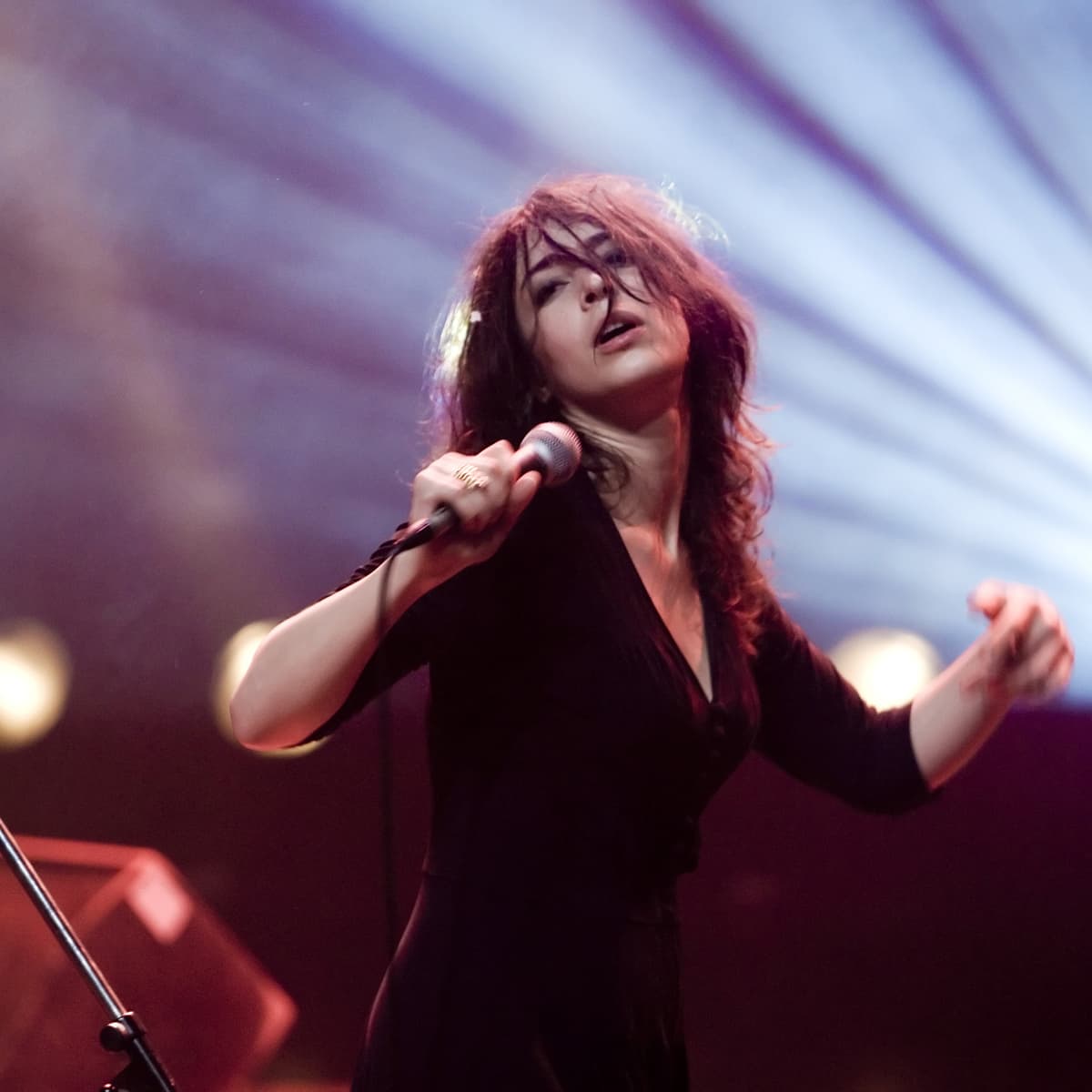
Shares analog warmth, stripped back, studio polished (production style); alternative rock, art rock (subgenres)
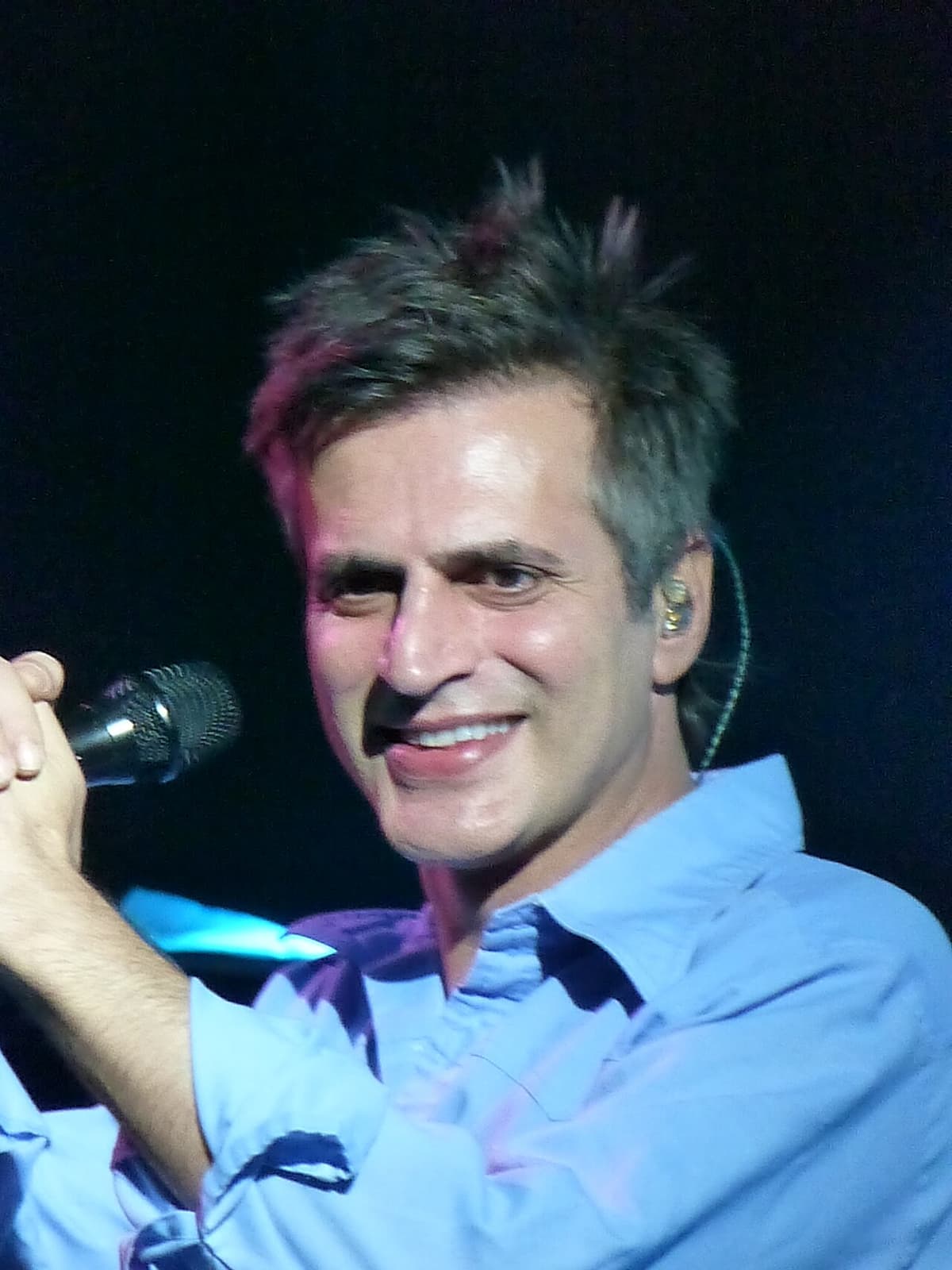
Shares analog warmth, stripped back, studio polished (production style); bittersweet, nostalgic, brooding (moods)
Shares analog warmth, stripped back, studio polished (production style); bittersweet, nostalgic, rebellious (moods)
Shares analog warmth, stripped back, studio polished (production style); alternative rock, art rock (subgenres)
Shares analog warmth, stripped back, studio polished (production style); bittersweet, nostalgic, wistful (moods)
Cassette uses generative AI to enrich its catalog. How we use AI →