Téada
High-octane Irish traditional music that captures the raw, unpolished energy of a pub session. Masterful fiddle and accordion work for a late night in Galway.
High-octane Irish traditional music that captures the raw, unpolished energy of a pub session. Masterful fiddle and accordion work for a late night in Galway.
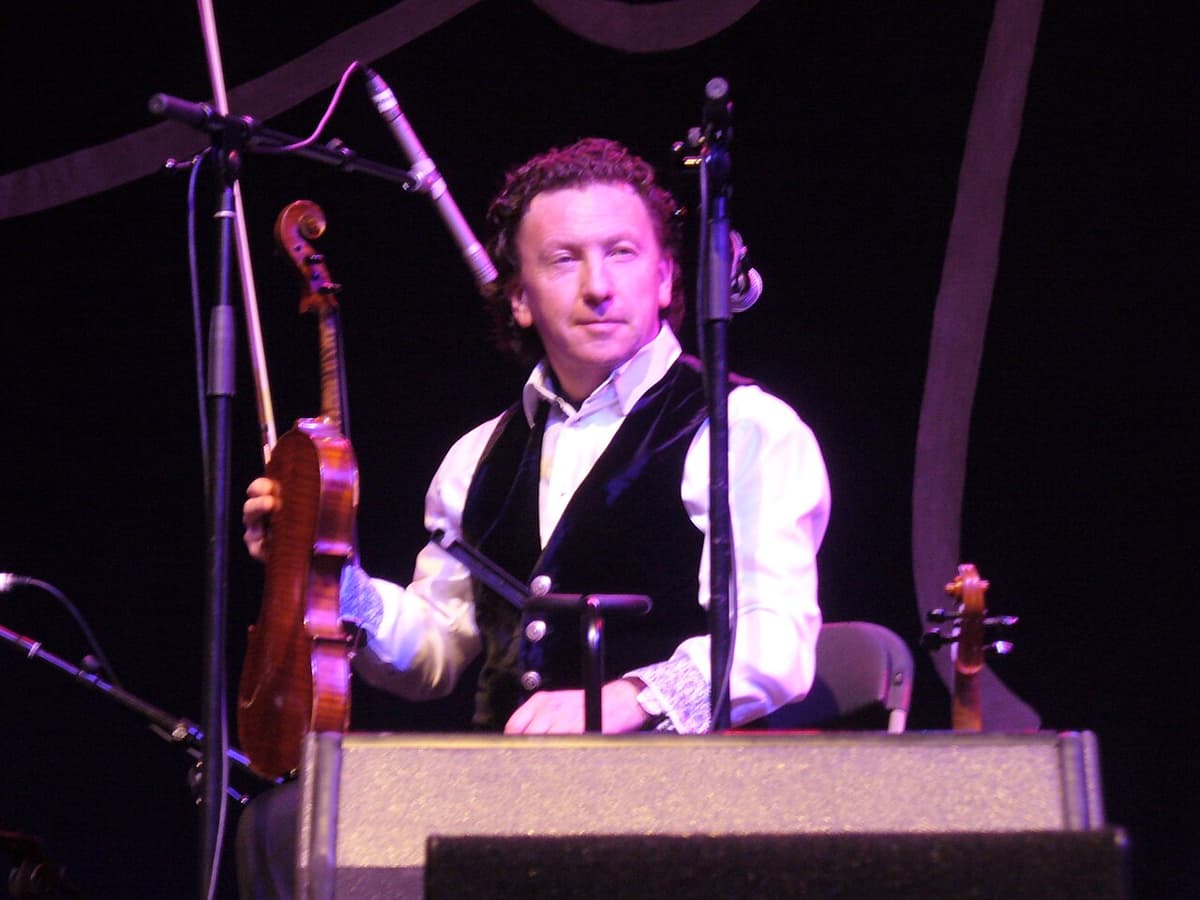
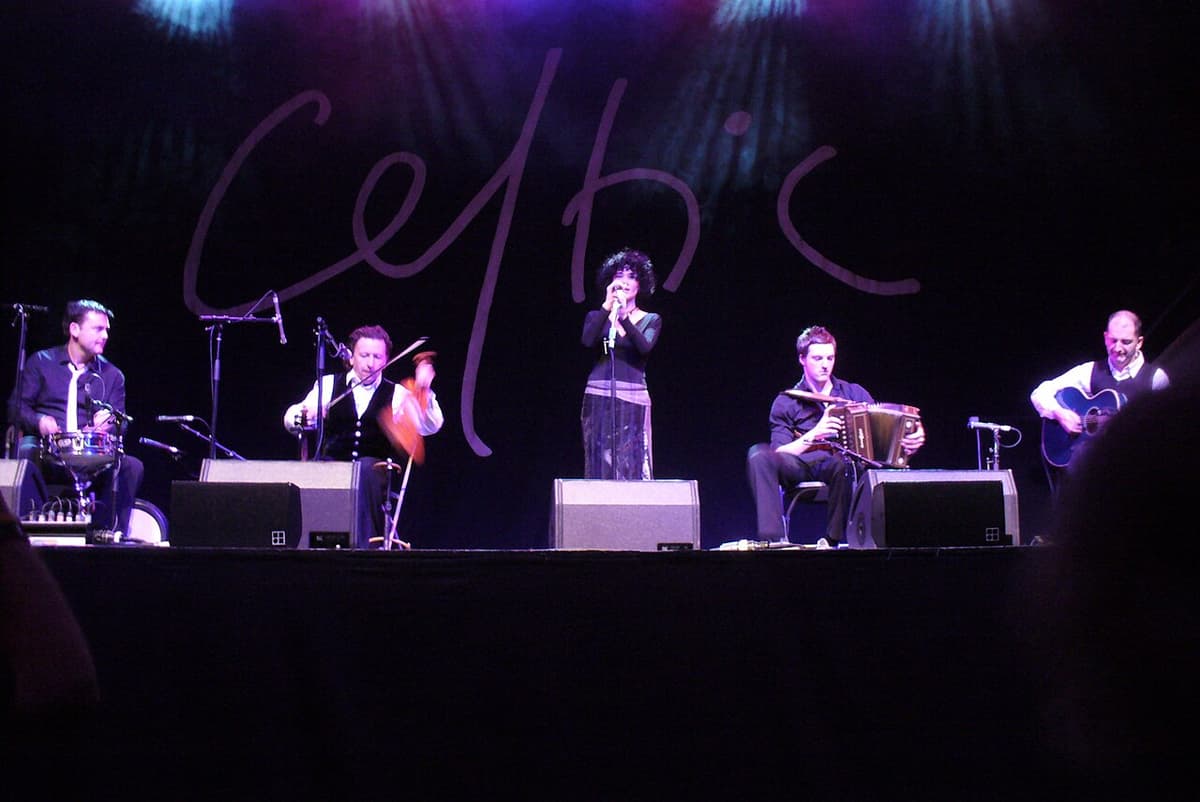
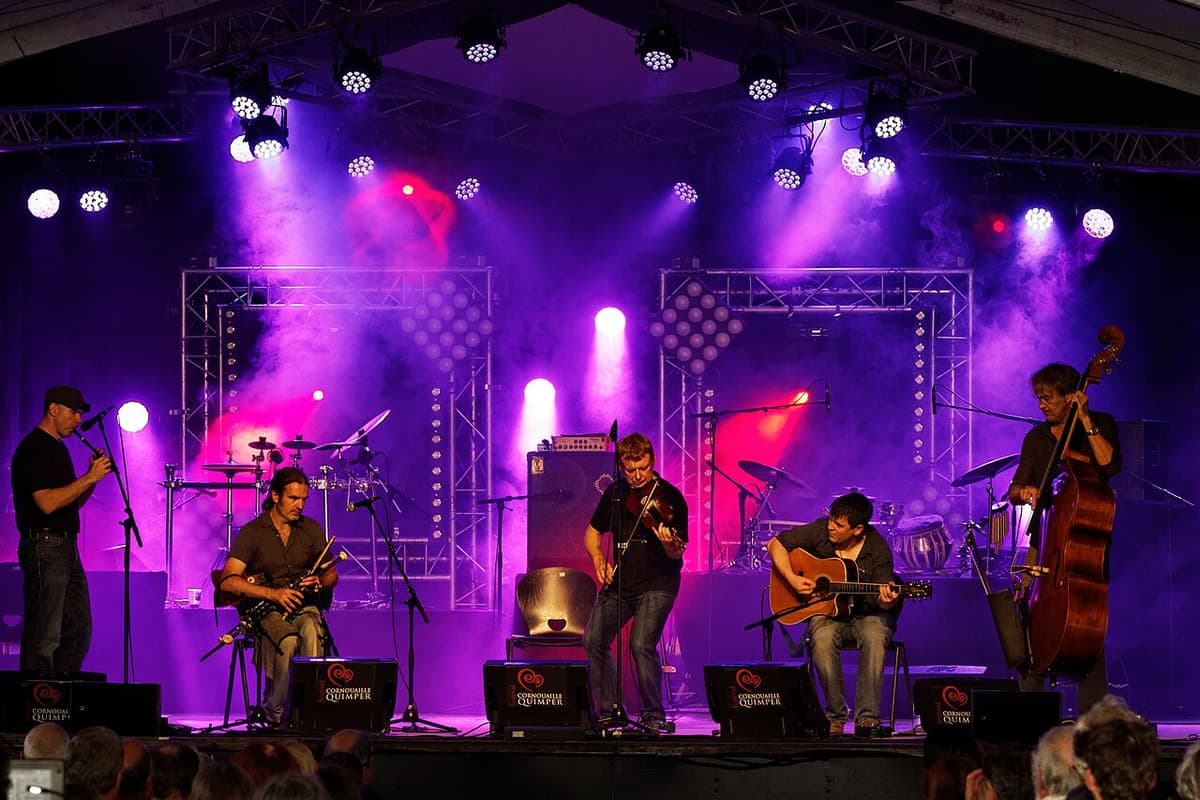
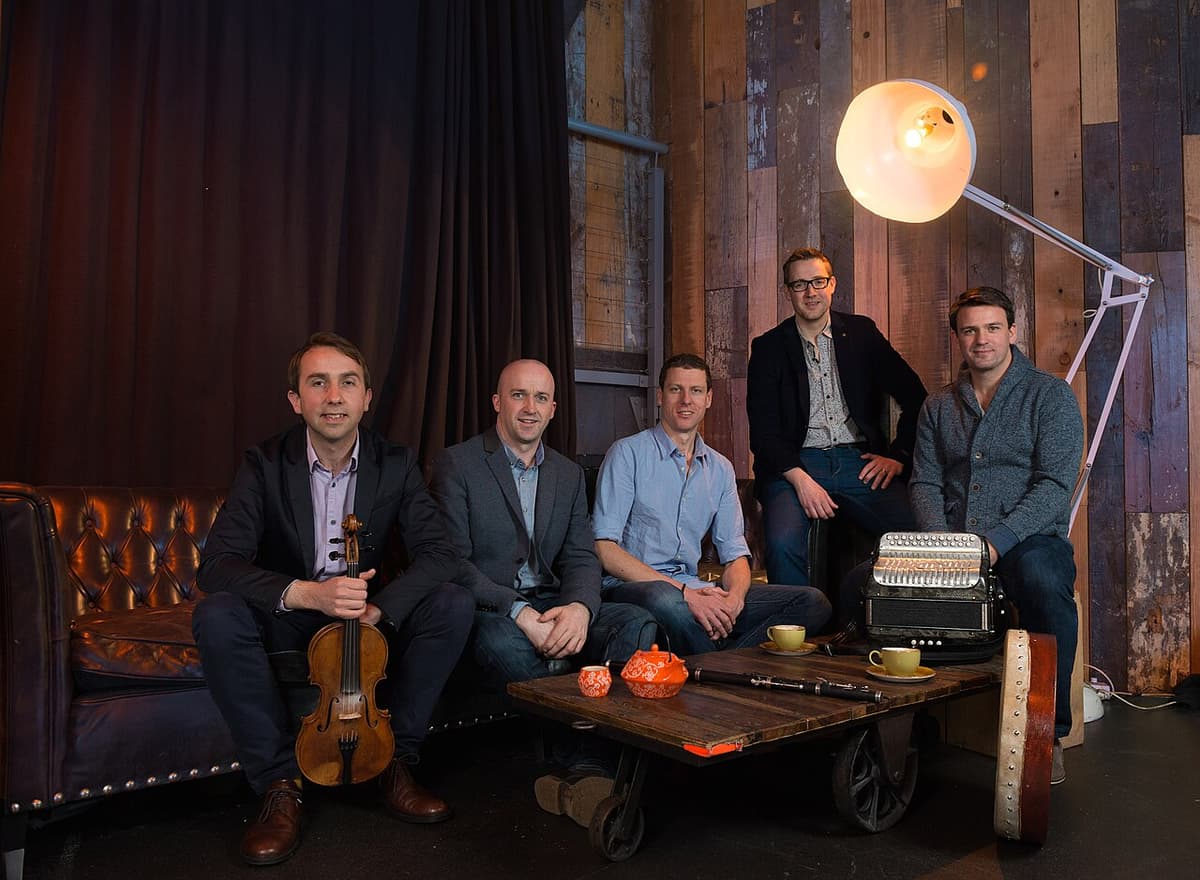
Formed in 2001, Téada has become a cornerstone of the modern Irish traditional music scene, specifically championing the Sligo style of fiddle playing. Led by Oisín Mac Diarmada, the group focuses on the 'tune' as the primary unit of expression, often reviving lesser-known regional melodies.
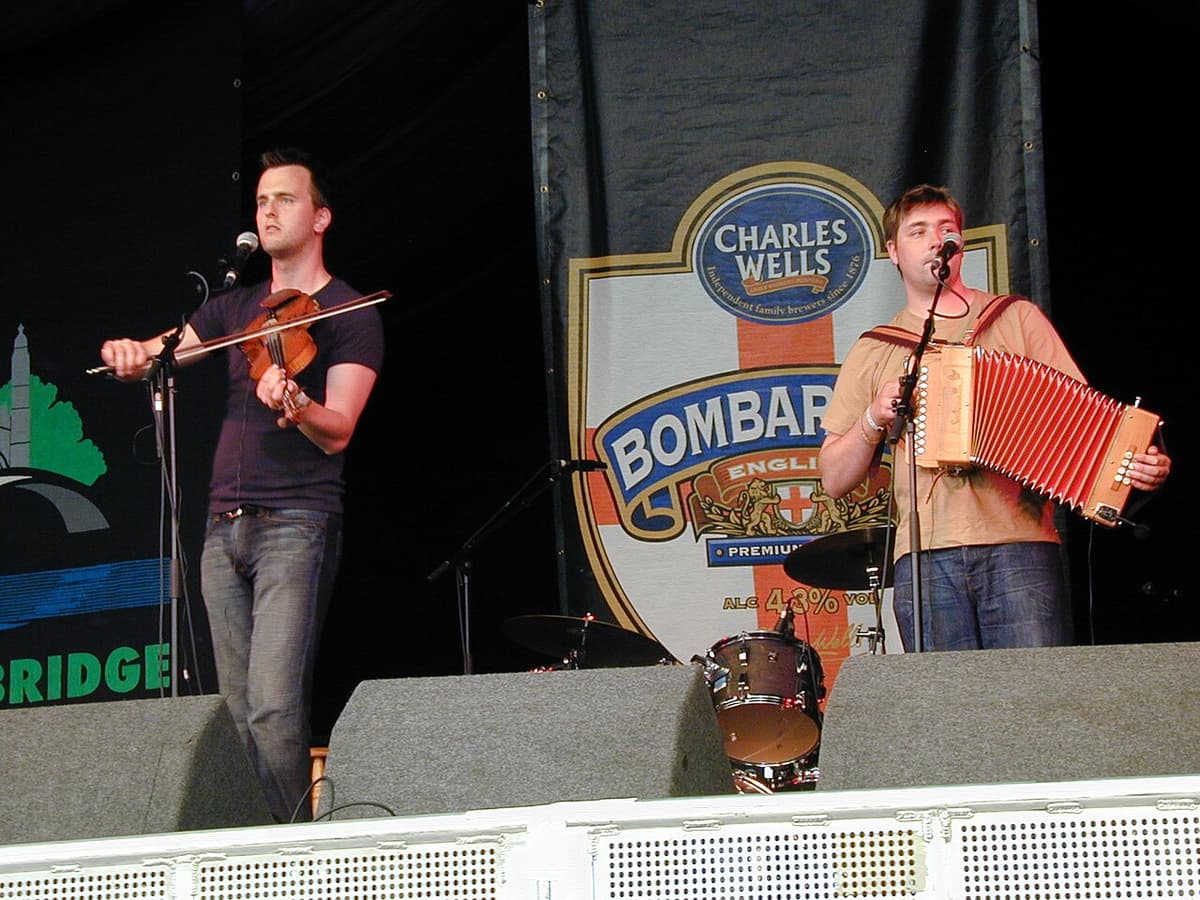
Their sound is defined by a 'pulsating' rhythmic core, largely driven by Paul Finn's button accordion and Tristan Rosenstock's bodhrán, which provides a more aggressive, driving foundation than the more ethereal 'Celtic' styles popular in the 1990s. Critically, they are viewed as traditionalists who avoid the pitfalls of over-production, preferring a live-session aesthetic. Their career arc shows a steady evolution from a young, energetic ensemble to international ambassadors of Irish culture, frequently headlining major world music festivals. They occupy a cultural space that bridges the gap between scholarly preservation and high-energy performance, influencing a younger generation of players to return to acoustic, tune-centric arrangements.
Cassette uses generative AI to enrich its catalog. How we use AI →