Talking Heads
Nervous energy meets infectious polyrhythmic funk. Intellectual art-rock that demands you move your feet while questioning the modern world.
Nervous energy meets infectious polyrhythmic funk. Intellectual art-rock that demands you move your feet while questioning the modern world.
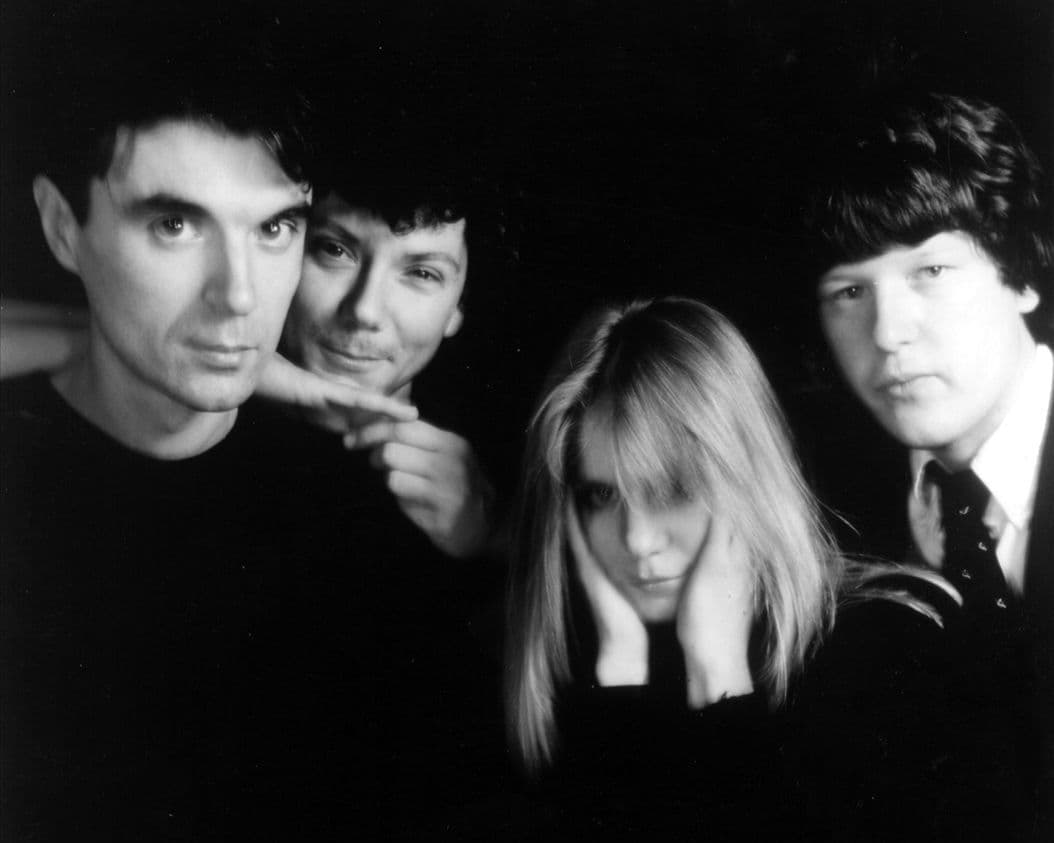
Formed by Rhode Island School of Design alumni who relocated to the center of the mid-1970s New York punk scene, Talking Heads translated art-school intellect into nervous, rhythmic pop.
The core quartet of David Byrne, Tina Weymouth, Chris Frantz, and Jerry Harrison stripped down the excess of contemporary rock, replacing it with anxious minimalism and sharp, interlocking grooves. Over the course of the late seventies and eighties, their sound expanded from tense guitar pop into dense, polyrhythmic funk, permanently reshaping the boundaries of post-punk and new wave.

Talking Heads: 77 is the seminal debut from Talking Heads, a nervous, intelligent, and angular exploration of new wave. David Byrne's distinctive vocals and Tina Weymouth's propulsive basslines define
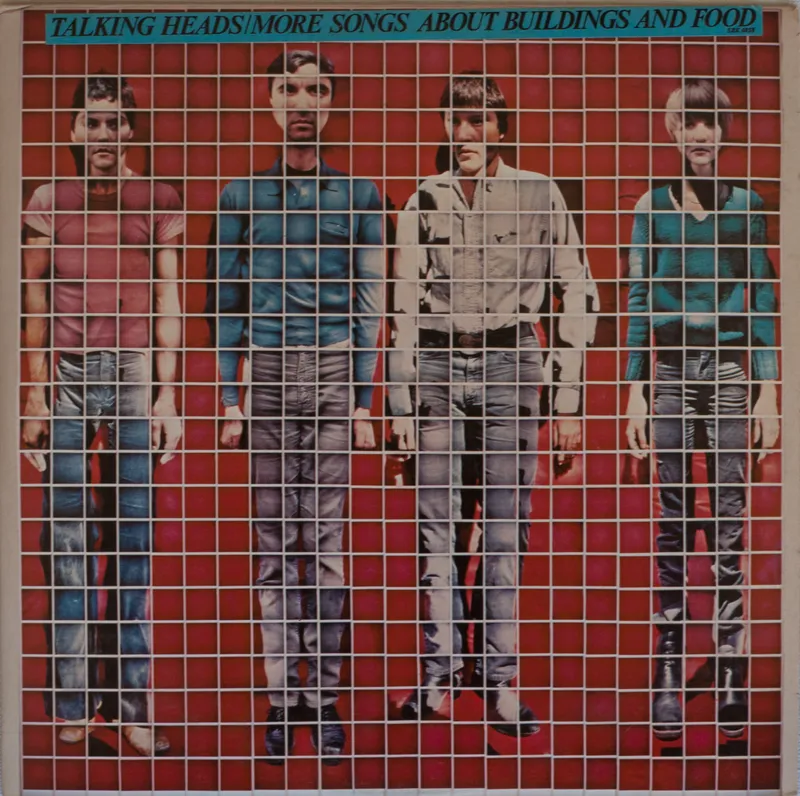
A nervous, twitching guitar line collides with a bassline that makes your hips swing before your brain can process the friction. The air in these tracks is thick with humid, synthetic heat, smelling of hot asphalt and cheap studio coffee. You are dropped directly into a crowded city sidewalk where every neon sign flickers in double-time. It is a jittery, sweat-slicked dance party held in a fluorescent-lit office, where the rhythm section finally takes control of the panic.
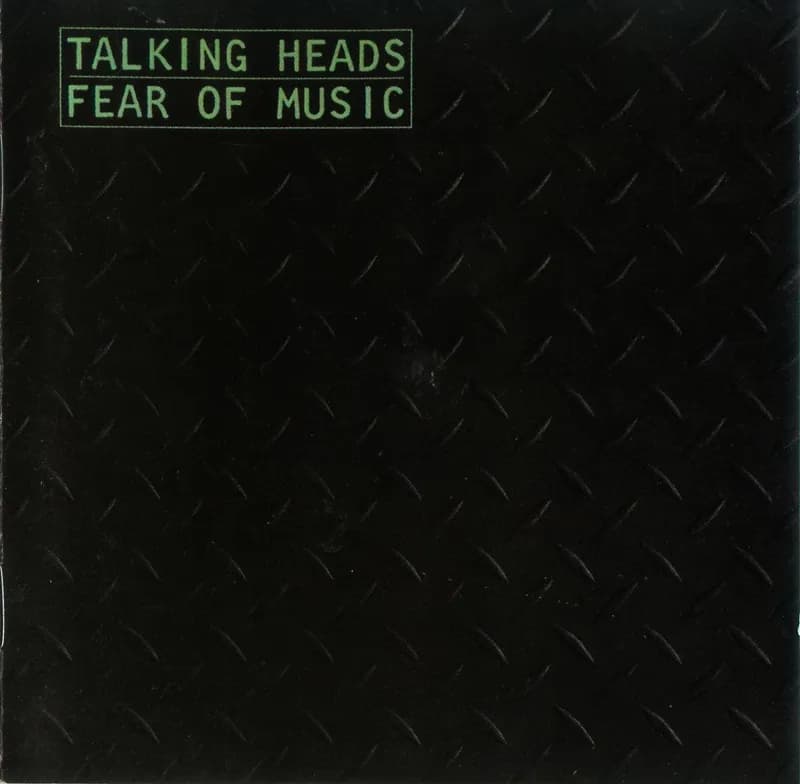
A claustrophobic, wire-thin guitar scrape collides with West African polyrhythms to lock the band’s nervous energy into a formidable, danceable groove. While their previous work toyed with art-school detachment, this record perfected their transition into a tense, urban funk machine, using Brian Eno’s dark, industrial production to anchor their jittery instincts. You are placed directly inside a humid New York loft, surrounded by concrete walls and looming paranoia. It is the precise moment their intellectual skepticism became physically heavy, transforming alienation into a collective rhythm and setting the blueprint for the entire post-punk landscape that followed.
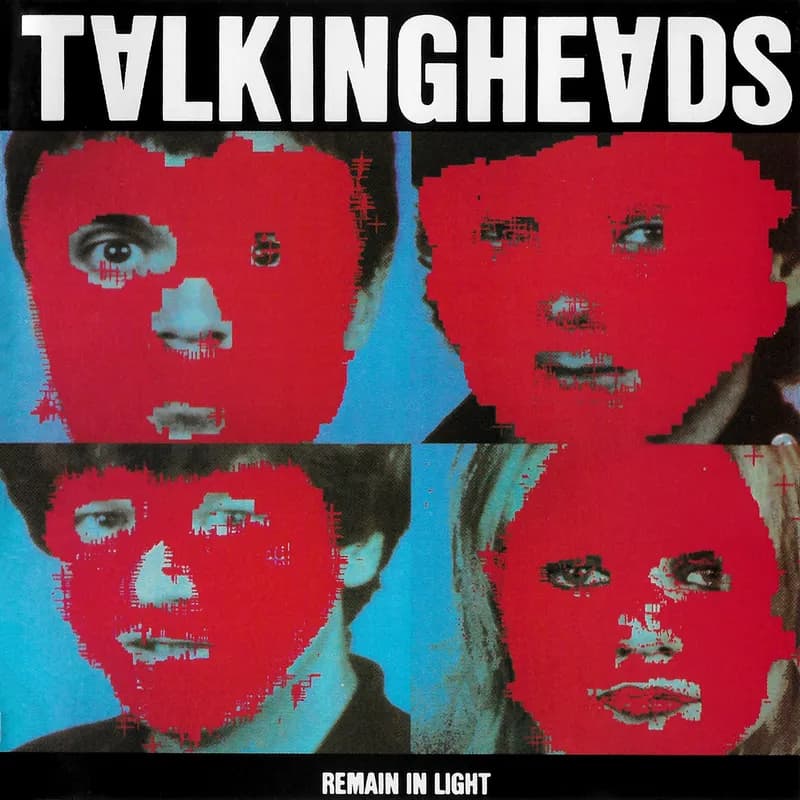
Talking Heads' 1980 masterpiece, 'Remain in Light,' is a landmark of art rock and new wave, fusing dense polyrhythms, African influences, and Brian Eno's experimental production with David Byrne's anx
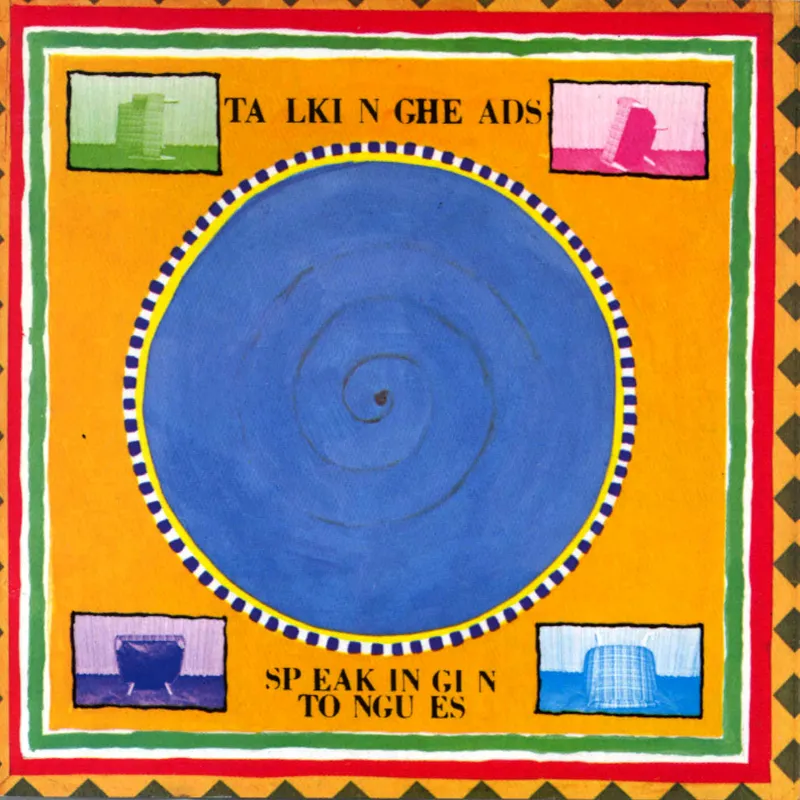
Polyrhythmic art-funk born in the urban heat
A sweat-slicked, polyrhythmic groove replaces the cold anxiety of the post-punk underground, marking the exact point where intellectual art-rock surrendered to the dancefloor. By stepping away from Brian Eno’s dense sonic shadows, the group traded claustrophobic paranoia for a bright, communal ecstasy. You can feel the physical heat of these tracks, which transformed avant-garde experimentation into a towering monument of funk-infused pop. It is the definitive pivot from nervous tension to loose-limbed, celebratory motion. This record did not just refine their sound; it established a joyous, polyphonic language that redefined what a modern rock band could be.

Twangy pedal steel accents sliding like warm butter across a clean countertop.
A bright, accessible pivot toward Americana and pop. Shimmering guitars and pedal steel replace the band's usual nervous funk with a warm, suburban glow.
Sunlight hits the plastic windmills on a manicured lawn, while satirical small-town vignettes unfold behind the clean, pastel siding of a suburban cul-de-sac.
A polished, melodic pivot toward Americana and pop. Shifting from polyrhythmic tension to sunny, satirical vignettes of small-town life.

Loose Parisian jam sessions spill into the room, as a dozen guest players crowd the microphones.
A dense, polyrhythmic farewell. Talking Heads return to worldbeat maximalism, blending Afro-funk grooves with cynical, apocalyptic observations on nature and modern life.
The four members remain permanently dissolved, their historic friction preserved in amber since a quiet 1991 split and a brief 2002 reunion.
What survives is a body of work that mapped the exact transition from nervous post-punk isolation to a sprawling, global dance music. Even if their late-eighties output lost some of its sharpest edges, their catalog stands as a brilliant blueprint for how intellectual curiosity can coexist with an irresistible physical groove.
Shares art rock, percussion, new wave, post-punk (signature)
Shares art rock, new wave, anxious, post-punk (signature)
Shares art rock, new wave, anxious, post-punk (signature)
Shares new wave, post-punk, spoken_word, art rock (subgenre)
Shares new wave, anxious, post-punk, spoken_word (subgenre)
Shares new wave, post-punk, funk, art rock (subgenre)
Shares art rock, new wave, post-punk, dance-pop (signature)
Cassette uses generative AI to enrich its catalog. How we use AI →