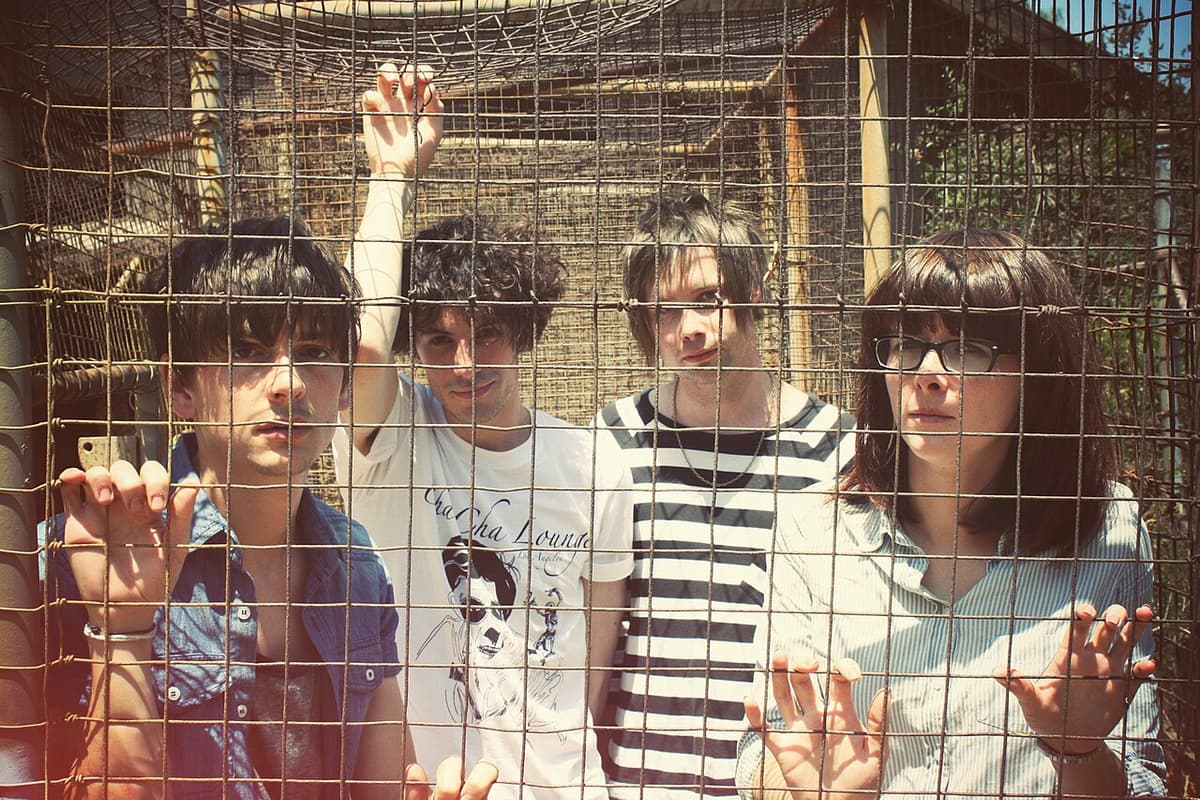
The Answering Machine
Shimmering Manchester indie rock with bright glockenspiel accents and urgent, melodic guitars. Perfect for urban night walks and nostalgic late-2000s energy.
Shimmering Manchester indie rock with bright glockenspiel accents and urgent, melodic guitars. Perfect for urban night walks and nostalgic late-2000s energy.
The Answering Machine captures the specific, frantic energy of being young in a rainy British city. Their sound is defined by a propulsive rhythm section and guitars that chime rather than crunch, creating a sense of constant forward motion. It is music that feels both celebratory and deeply nostalgic, like a memory of a night out that hasn't actually ended yet.
What sets them apart is the clever use of melodic counterpoints, most notably the glockenspiel, which adds a toy-box whimsy to their otherwise sharp indie rock foundation. This contrast between the driving, almost punk-adjacent energy and the delicate, shimmering textures gives their songs a unique emotional resonance that avoids the cliches of the mid-2000s indie boom.
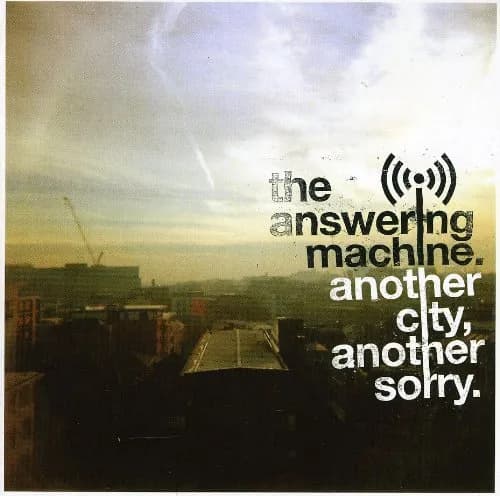
Start with Another City, Another Sorry. It is a quintessential debut that bottles the band's early spirit, featuring tracks like Oklahoma and Silent Hotels that showcase their ability to turn mundane urban observations into soaring, infectious anthems.
The Answering Machine were an indie rock band based in Manchester, England.
Shares indie rock, indie pop, art rock (subgenres); studio polished, crisp clean, layered dense (production style)
Shares indie rock, indie pop, art rock (subgenres); studio polished, crisp clean (production style)
Shares indie rock, indie pop (subgenres); studio polished, crisp clean, layered dense (production style)
Shares indie rock, indie pop, art rock (subgenres); studio polished, crisp clean, layered dense (production style)
Shares indie rock, indie pop, britpop (subgenres); energetic, nostalgic, wistful (moods)
Shares indie rock, indie pop, britpop (subgenres); energetic, nostalgic, wistful (moods)
Shares indie rock, indie pop, art rock (subgenres); studio polished, crisp clean (production style)
Shares crisp clean, art rock, nasal, indie rock (production)
Cassette uses generative AI to enrich its catalog. How we use AI →