The Associates
Operatic vocals soaring over eccentric, high-gloss post-punk. Dramatic, surrealist pop that feels like a masquerade ball in a futuristic cathedral.
Operatic vocals soaring over eccentric, high-gloss post-punk. Dramatic, surrealist pop that feels like a masquerade ball in a futuristic cathedral.
The Associates sound like the moment a glamorous party teeters into a fever dream. It is music of immense scale and peculiar detail, where Billy Mackenzie’s extraordinary multi-octave voice leaps from a rich, chocolatey baritone to a glass-shattering falsetto within a single breath. The arrangements are lush and often disorienting, blending the jagged edges of post-punk with the cinematic sweep of a film score.
What truly distinguishes them is a sense of fearless eccentricity. While their contemporaries in the New Romantic scene were often concerned with poise, The Associates embraced a chaotic, surrealist energy. Their production is famously dense, using unconventional instrumentation and studio trickery to create a sound that is simultaneously brittle and massive, cold and deeply emotional.
Start with the 1982 masterpiece 'Sulk'. It represents the pinnacle of their 'New Pop' era, featuring the hit 'Party Fears Two', a track that perfectly encapsulates their ability to turn abstract, anxious lyrics into a soaring, melodic anthem that sounds like nothing else from the decade.
The Associates (or simply Associates) were a Scottish post-punk and pop band, formed in Dundee in 1979 by lead vocalist Billy Mackenzie and guitarist Alan Rankine. The band released an unauthorized cover version of David Bowie's "Boys Keep Swinging" as their debut single in 1979, which landed them a recording contract with Fiction Records. They followed with their debut studio album The Affectionate Punch in 1980 and the compilation album Fourth Drawer Down in 1981, both to critical praise. They achieved commercial success in 1982 with their UK Top 10 studio album Sulk and UK Top 20 singles "Party Fears Two" and "Club Country", during which time they were associated with the new pop movement. Rankine left the group that year, leaving Mackenzie to record under the Associates name until 1990. They briefly reunited in 1993. Mackenzie's suicide in 1997 was the band's end; Rankine died twenty-six years later in 2023.
Shares art pop, post-punk, new wave (subgenres); reverb heavy, layered dense, studio polished (production style)
Shares post-punk, art pop, new wave (subgenres); reverb heavy, studio polished, layered dense (production style)
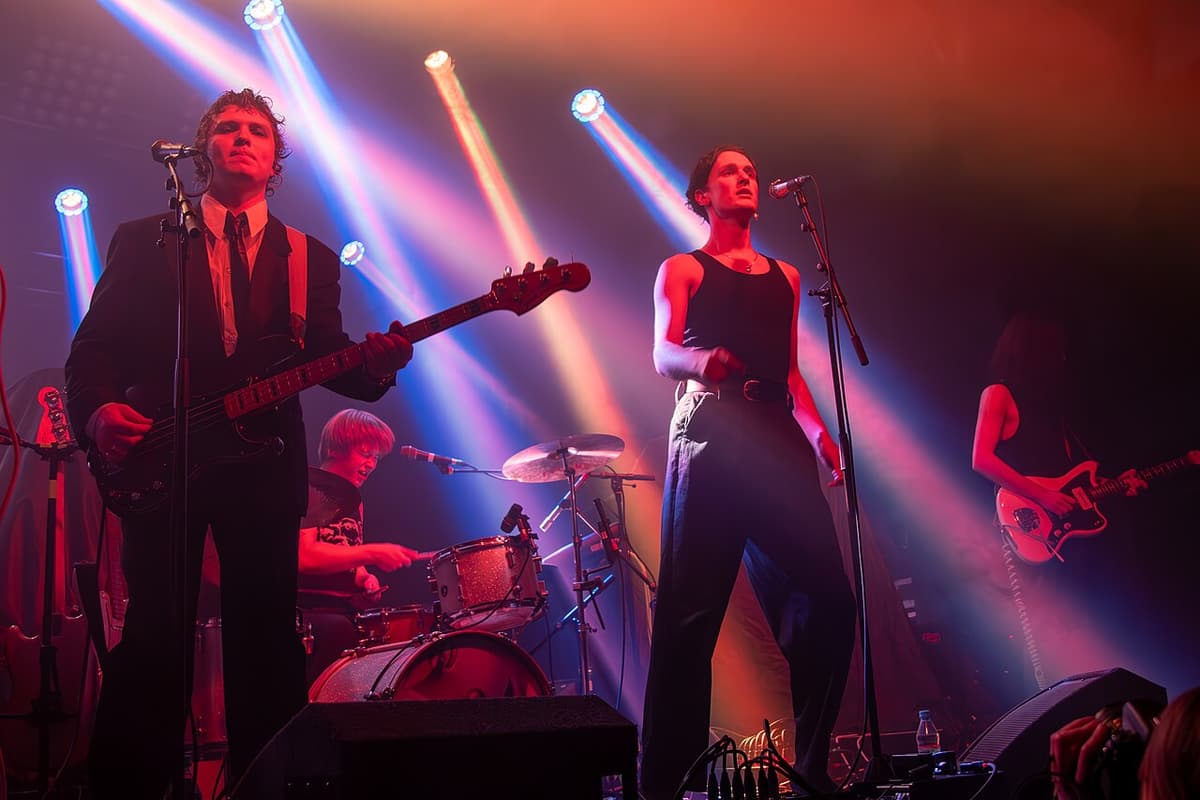
Shares art pop, post-punk, new wave (subgenres); maximalist, layered dense, studio polished (production style)
Shares art pop, new wave, synth-pop (subgenres); maximalist, layered dense, studio polished (production style)
Shares new wave, synth-pop, art pop (subgenres); maximalist, reverb heavy, layered dense (production style)
Shares art pop, synth-pop, chamber pop (subgenres); reverb heavy, layered dense, studio polished (production style)
Shares art pop, post-punk, new wave (subgenres); reverb heavy, layered dense, studio polished (production style)
Shares melancholic, mysterious, bittersweet (moods); art pop, synth-pop, chamber pop (subgenres)
Cassette uses generative AI to enrich its catalog. How we use AI →