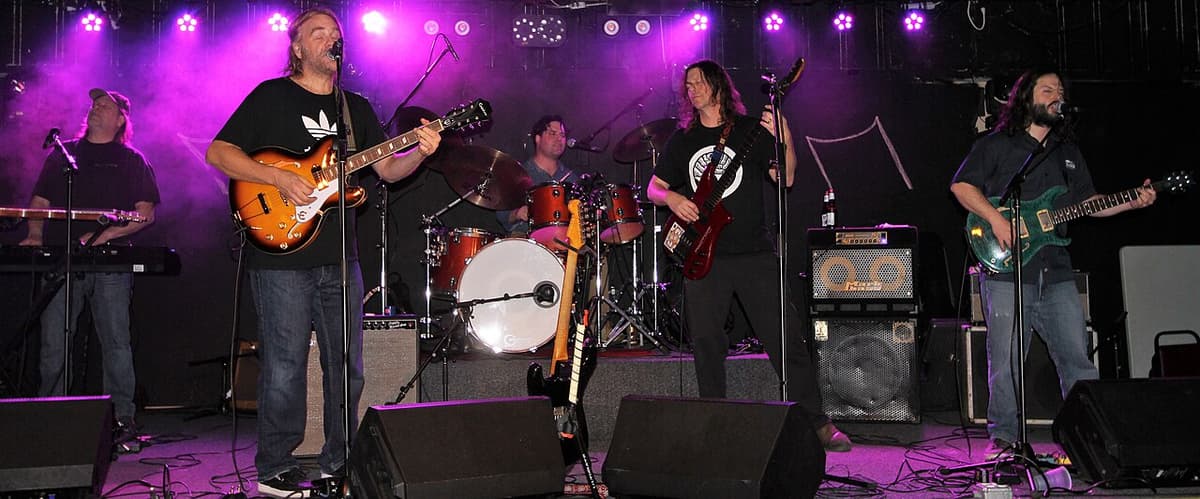
The Big Wu
Sun-drenched Midwestern rock with a penchant for storytelling and long, melodic jams. Warm, communal music for festivals and open highways.
Sun-drenched Midwestern rock with a penchant for storytelling and long, melodic jams. Warm, communal music for festivals and open highways.
The Big Wu sounds like the best bar band you have ever stumbled upon in a small Minnesota town, if that band also happened to have the improvisational telepathy of a veteran touring outfit. Their music is rooted in a sturdy, classic rock foundation, characterized by bright piano rolls, clean electric guitar interplay, and a rhythm section that favors a steady, swinging groove over aggressive complexity. It is music that feels lived-in and hospitable, carrying the scent of pine trees and stale beer in equal measure.
What truly distinguishes them is their commitment to the song itself. While many of their peers in the jam scene prioritize the 'jam' at the expense of the 'song', The Big Wu writes hooks that could have lived comfortably on 1970s FM radio. Their lyrics often lean into narrative storytelling, creating a cast of characters and local myths that feel uniquely tied to the American Midwest. The improvisation is melodic and patient, serving the emotional arc of the track rather than just showcasing technical speed.
Newcomers should head straight for 'Tracking Buffalo Through The Bathtub' or 'Folktales'. These albums capture the band at their peak of national visibility, showcasing their ability to blend Americana, folk, and rock into a seamless, celebratory whole. It is the perfect soundtrack for a long drive through the heartland or a late-night gathering with old friends around a fire.
The Big Wu was derived from the nickname for the volcano in Joe Versus the Volcano which is actually spelled The Big Woo. The Big Wu is a rock jam band from Minnesota. The group is composed of Al Oikari, Andy Miller, Chris Castino, Mark Joseph Grundhoefer, and Terry VanDeWalker. The band made a mark on the jam band scene with a reputation for hook-oriented songwriting and as one of the earliest jam bands from the Midwest to achieve some national success. Relentless touring in the late 1990s and early 2000s built a loyal fan base that call themselves "family", many of whom get together for the band's recurring music festival, the Big Wu Family Reunion. From 1998–2006, the band annually held the Family Reunion on Memorial Weekend, and they frequently hold a Wu Years Eve event on December 31. The band has not toured extensively since the end of 2006, instead playing periodic shows in their home state of Minnesota and other nearby states.
Shares americana, classic rock, country rock (subgenres); live recording, analog warmth, hand played (production style)
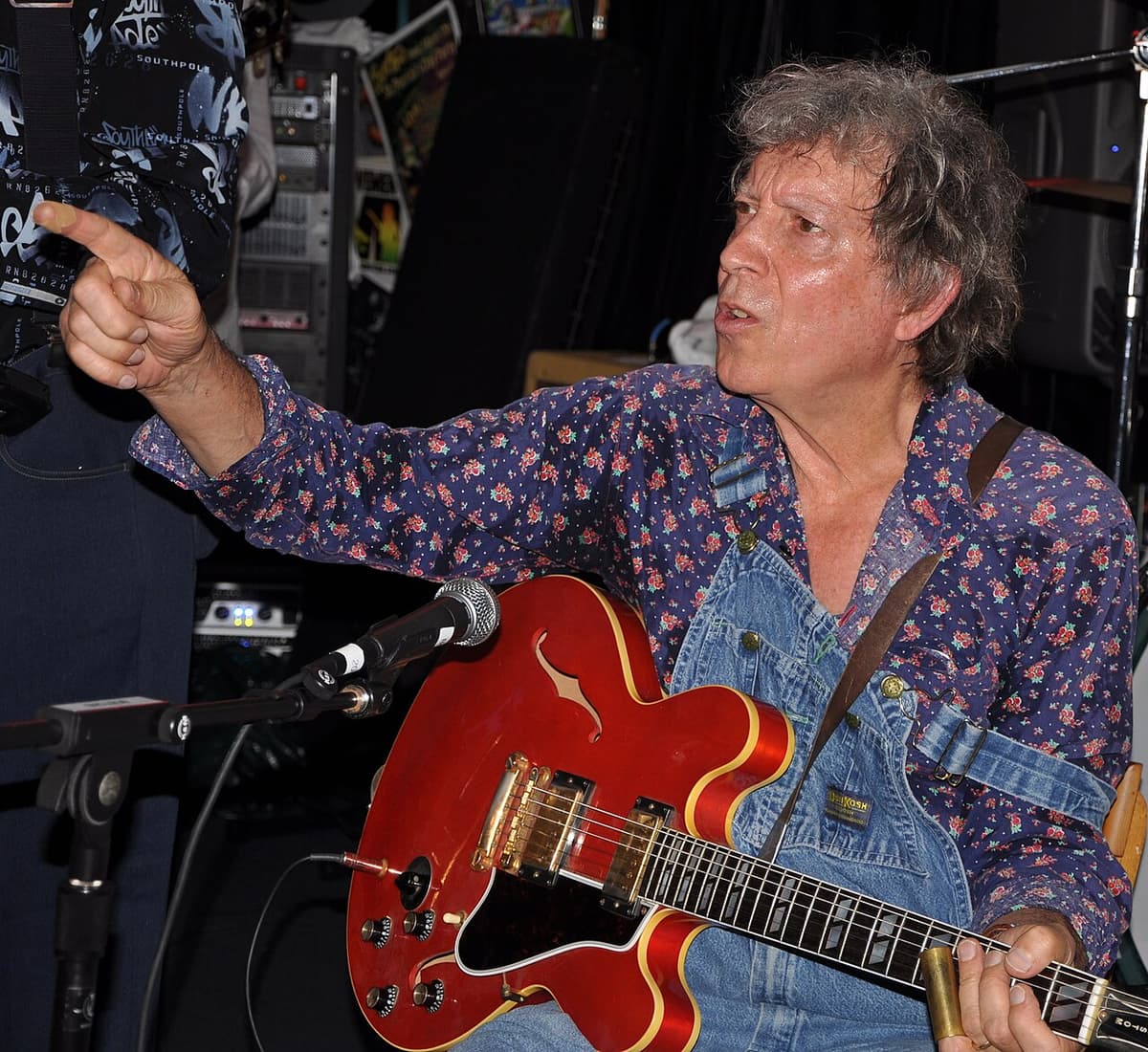
Shares live recording, analog warmth, hand played (production style); joyful, nostalgic, playful (moods)
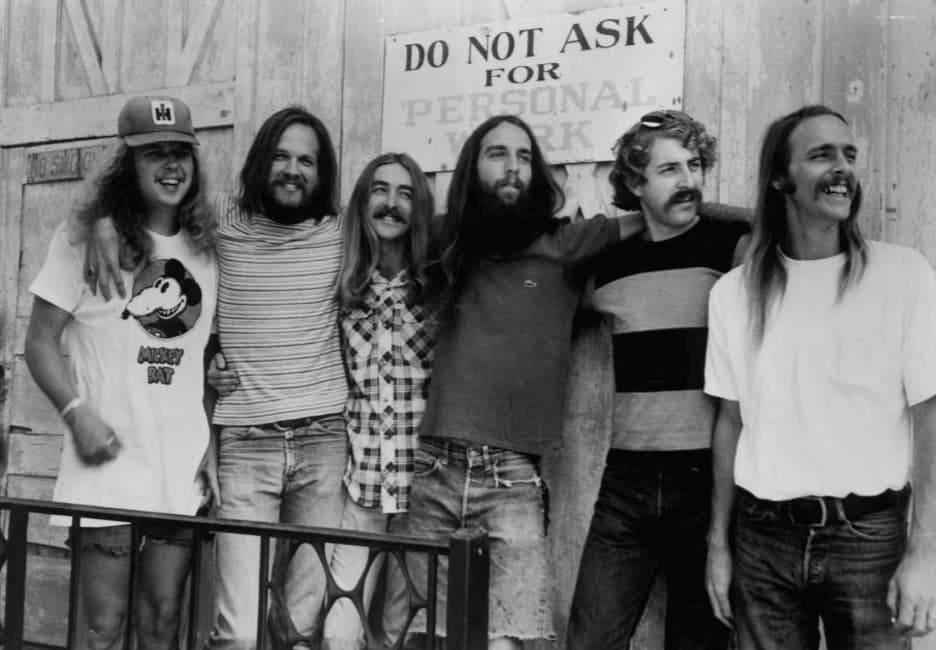
Shares americana, classic rock, country rock (subgenres); live recording, analog warmth, hand played (production style)
Shares live recording, analog warmth, hand played (production style); joyful, nostalgic, playful (moods)
Shares live recording, analog warmth, hand played (production style); americana, classic rock, country rock (subgenres)
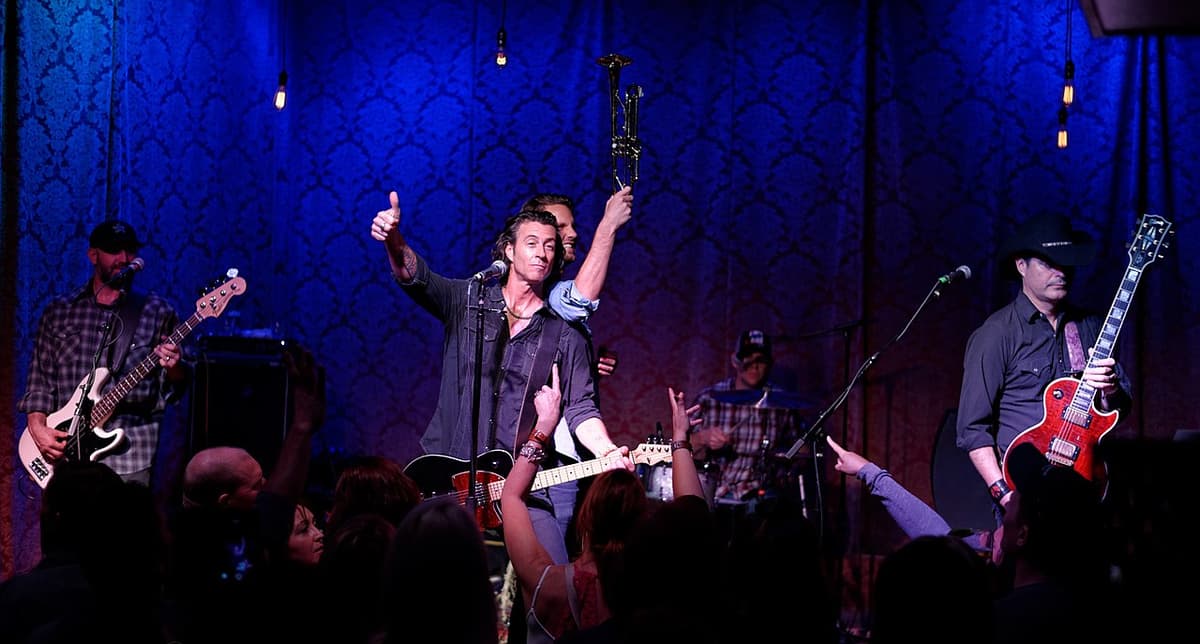
Shares live recording, analog warmth, hand played (production style); americana, country rock, roots reggae (subgenres)
Shares live recording, analog warmth, hand played (production style); americana, country rock, roots reggae (subgenres)
Shares harmonized, raspy, crooning (vocal style); live recording, analog warmth, studio polished (production style)
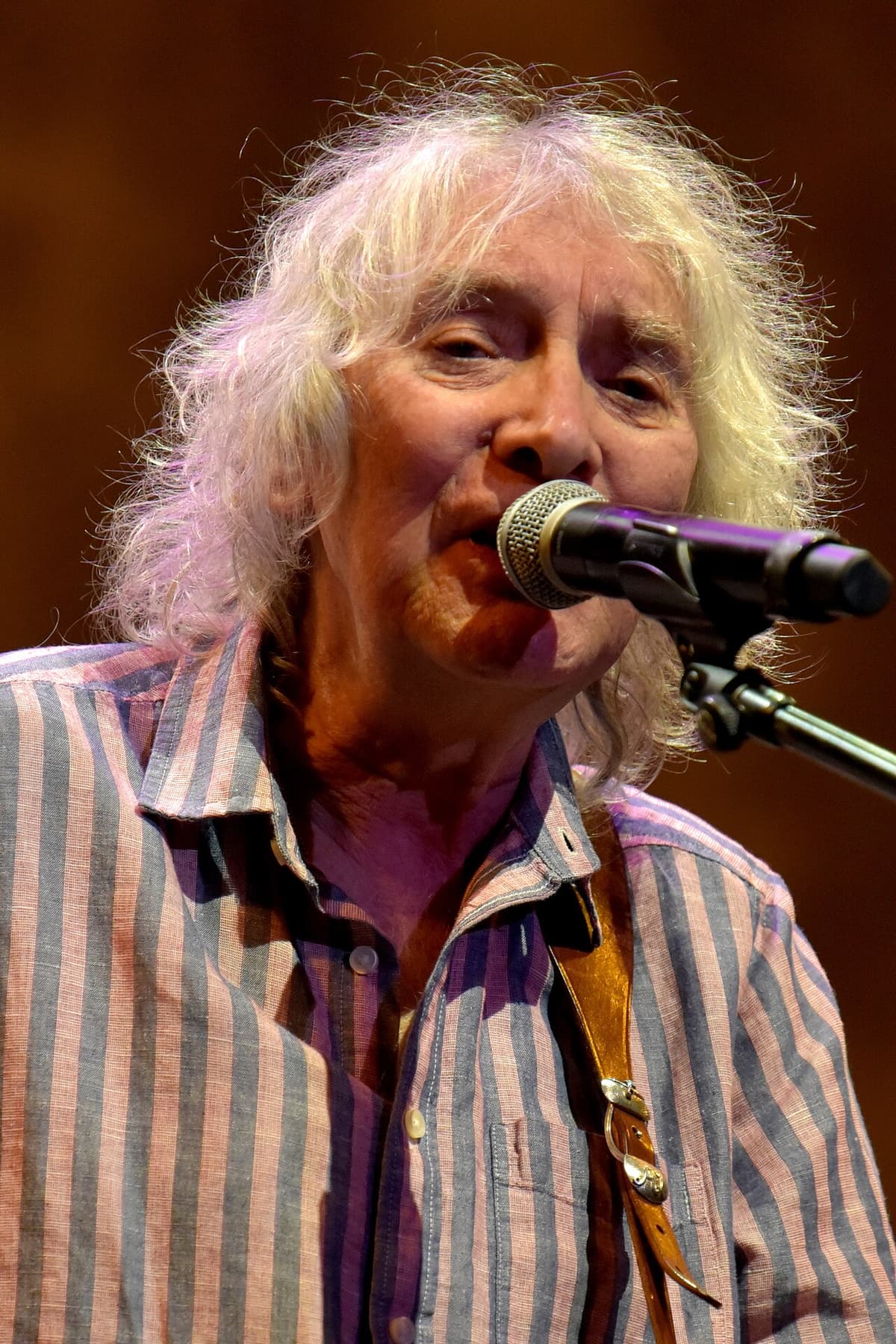
Shares live recording, analog warmth, hand played (production style); americana, country rock, roots reggae (subgenres)
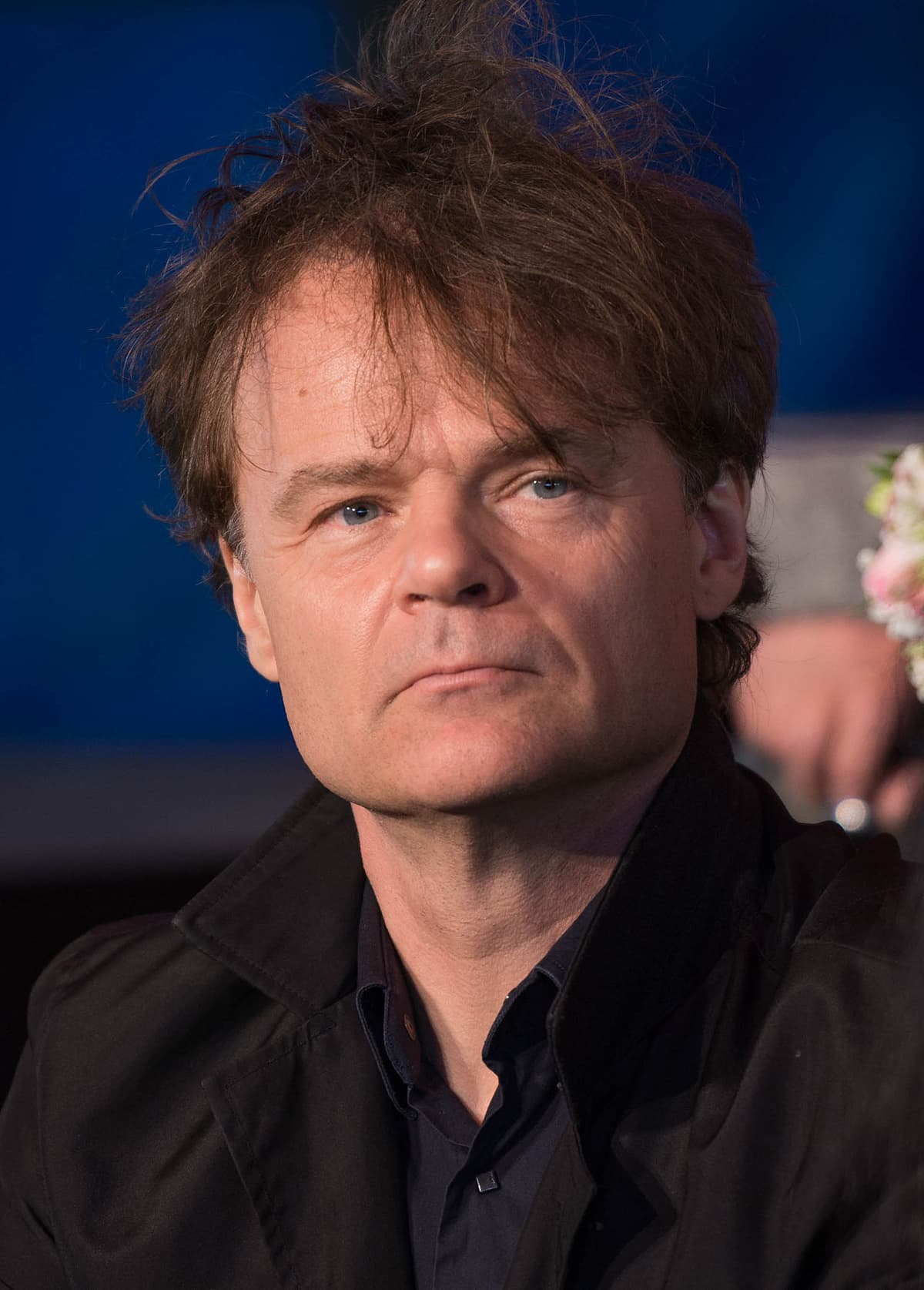
Shares live recording, analog warmth, hand played (production style); joyful, nostalgic, playful (moods)
Shares americana, country rock, open field, classic rock (signature)
Cassette uses generative AI to enrich its catalog. How we use AI →
