The Blue Nile sounds like the city at its most vulnerable. Their music is built on a foundation of clockwork drum machine rhythms and vast, shimmering synthesizer pads that create a sense of infinite space. It is 'hifi' in the truest sense, possessing a sonic clarity that makes every finger-snap and breathy vocal feel like it is happening inches from your ear. It is the sound of neon lights reflecting in puddles and the quiet hum of a metropolis after midnight.
What truly distinguishes them is the tension between their cold, electronic tools and the raw, soul-baring humanity of Paul Buchanan's voice. While their peers in the 80s used synths for dancefloor anthems, The Blue Nile used them to paint impressionistic landscapes of longing and domesticity. Their perfectionism resulted in a catalog where every note feels intentional, creating an atmosphere of profound stillness that few other artists have ever replicated.
Start with the album 'Hats'. It is widely considered their masterpiece, a perfect distillation of their 'urban night' aesthetic. From the opening pulse of 'The Downtown Lights', you are transported into a world of romantic melancholy that feels both cinematic and deeply private. It is essential listening for anyone who finds beauty in the quiet moments of a busy life.
The Blue Nile are a Scottish band which originated in Glasgow. The group's early music was built heavily on synthesizers and electronic instrumentation and percussion, although later works featured guitar more prominently. Following early championing by established artists such as Rickie Lee Jones and Peter Gabriel (the band later worked with both acts), the Blue Nile gained critical acclaim, particularly for their first two albums A Walk Across the Rooftops and Hats, and some commercial success in both the UK and the US, which led to the band working with a wide range of musicians from the late 1980s onwards. The Blue Nile's highest chart placement came when "Tinseltown in the Rain" reached No. 28 in the Netherlands in 1984, their only Dutch charting song. The band has had four top 75 hits on the UK singles chart, the highest being "Saturday Night", which reached No. 50 in 1991. In the United States, "The Downtown Lights" was their only chart entry, peaking at No. 10 on Billboard's Alternative Songs chart. The band members have also gained a reputation for their avoidance of publicity, their idiosyncratic dealings with the recording industry, and their perfectionism and slow work rate, which has resulted in the release of just four albums since the group's formation in 1981. In 1989, Record Mirror ranked A Walk Across the Rooftops at number 74 in its critics' list of the best albums of the 1980s. The Guardian included A Walk Across the Rooftops in their 2007 feature 1000 Albums to Hear Before You Die. The album was also included in the book 1001 Albums You Must Hear Before You Die. Their second album, Hats, featured strongly on the end of year critics' lists, making number eight on Melody Maker's albums of the year list, and number 18 on NME's list. It was also voted number 345 in the third edition of Colin Larkin's All Time Top 1000 Albums (2000). Q placed Hats at number 92 on its list of the "100 Greatest British Albums Ever" in 2000 and at number 38 on its list of "40 Best Albums of the '80s" in 2006.


Shares art pop, synth-pop (subgenres); melancholic, romantic, wistful (moods)
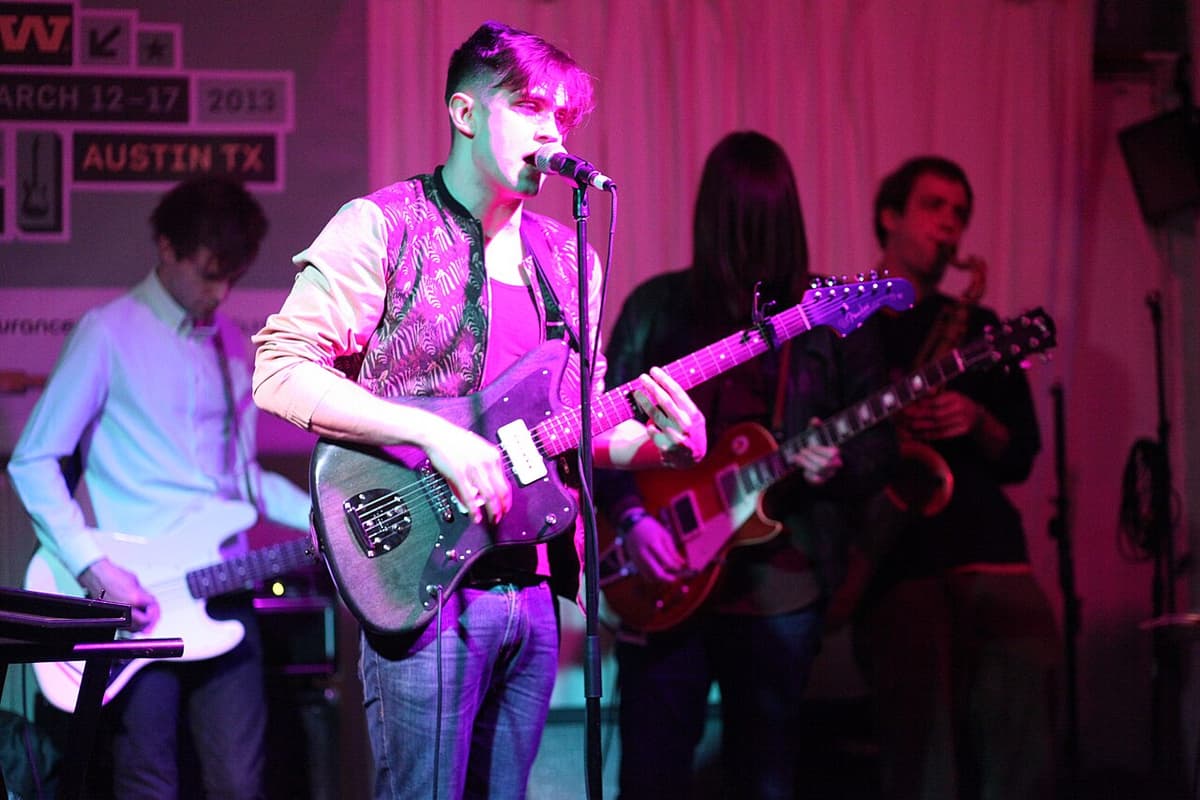
Shares dream pop, art pop, synth-pop (subgenres); breathy, crooning, gentle (vocal style)
Shares dream pop, art pop, synth-pop (subgenres); melancholic, wistful, romantic (moods)
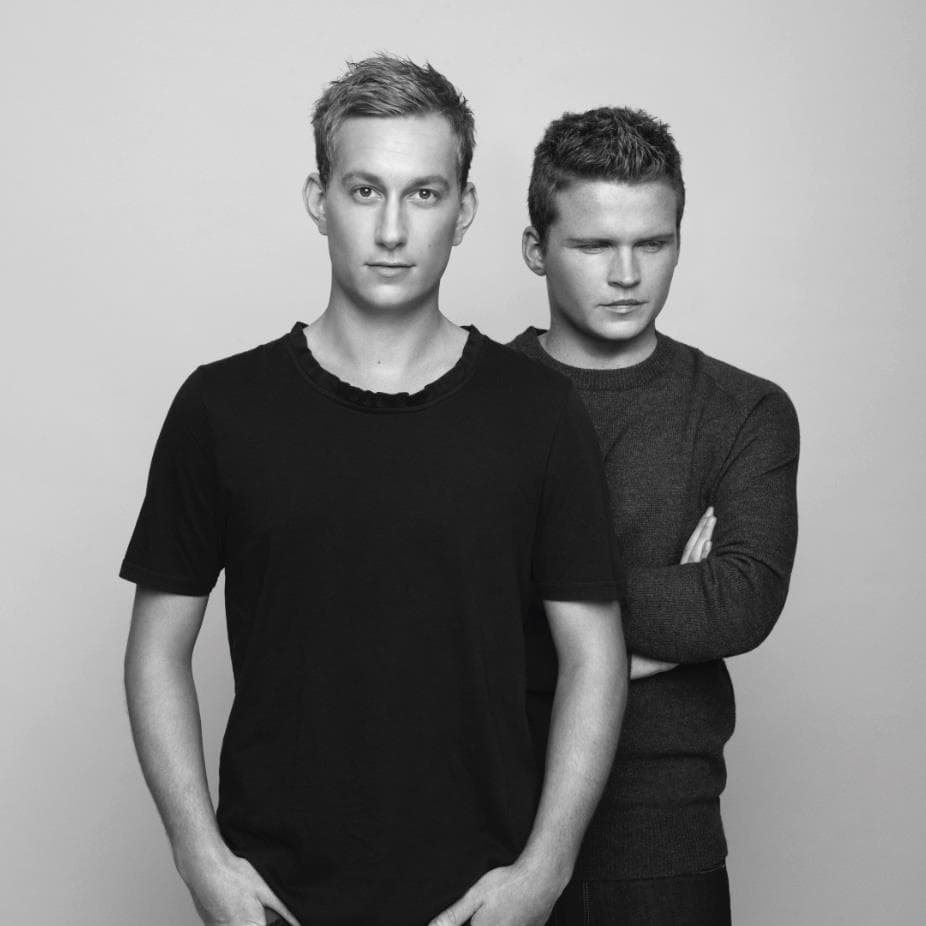
Shares dream pop, art pop, synth-pop (subgenres); melancholic, wistful, contemplative (moods)
Shares dream pop, synth-pop (subgenres); breathy, crooning, gentle (vocal style)
Shares art pop, synth-pop (subgenres); wistful, contemplative, romantic (moods)
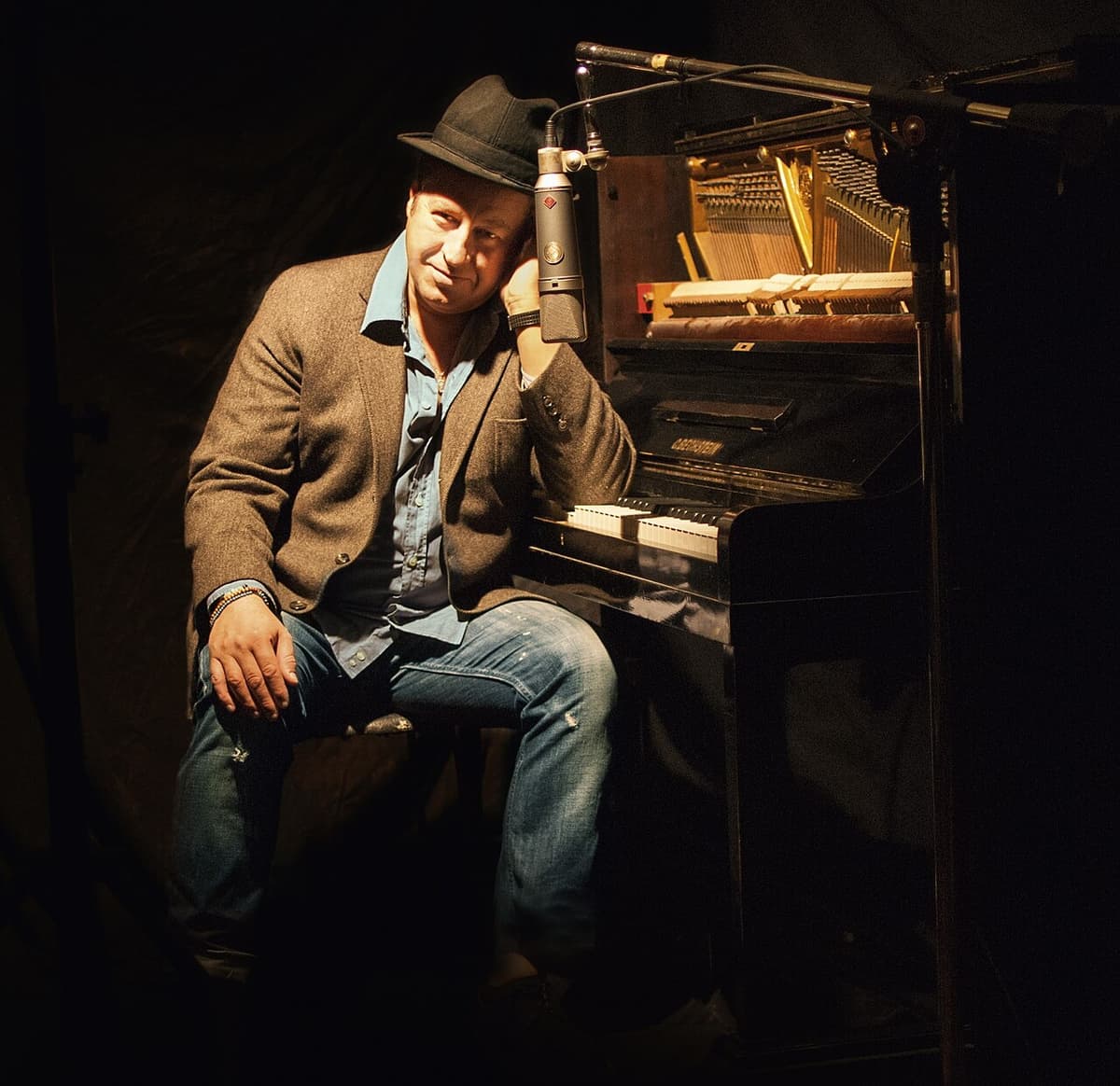
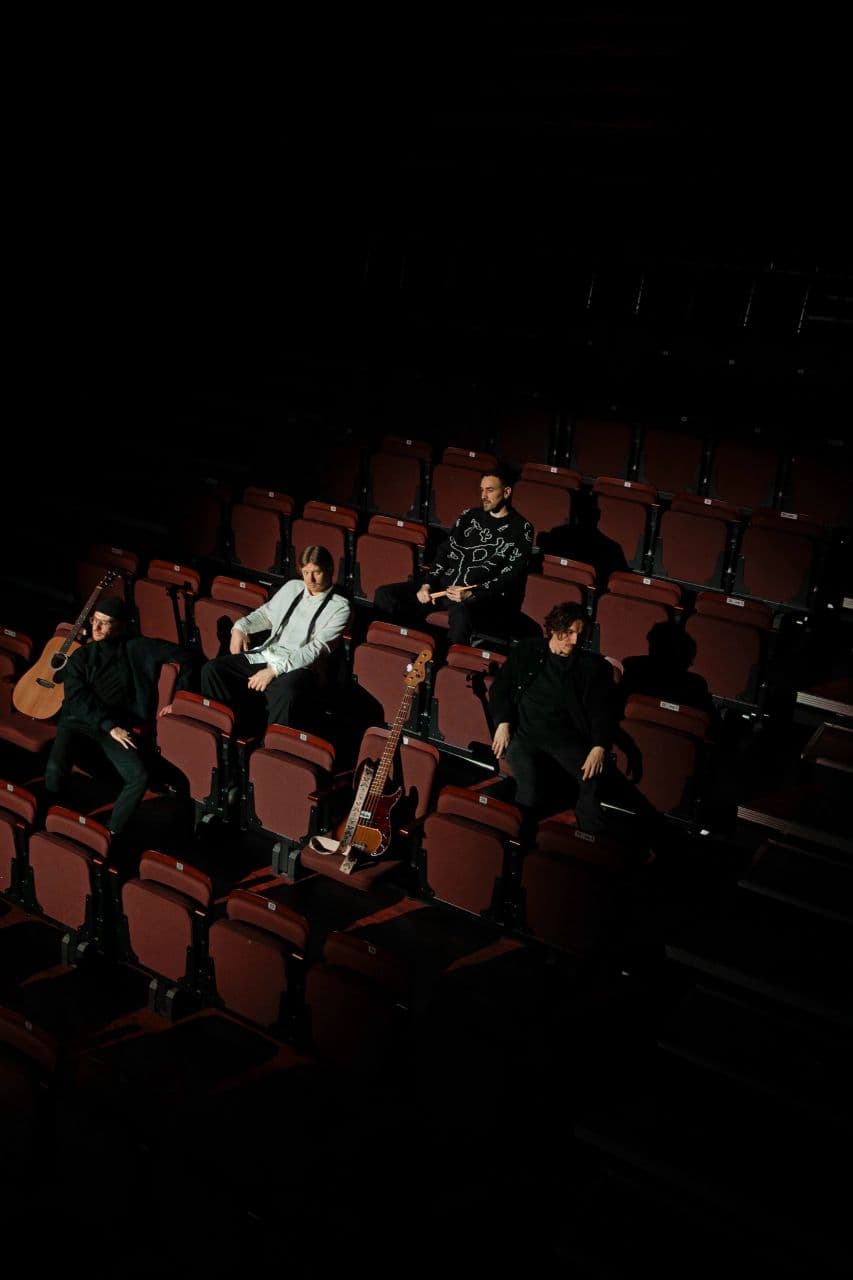
Shares sophisti-pop, dream pop, art pop, romantic (signature)
Shares dream pop, art pop, romantic, dusk (subgenre)
Cassette uses generative AI to enrich its catalog. How we use AI →