The Bollock Brothers occupy a strange, smoke-filled corner of the post-punk universe where high-concept art meets low-budget kitsch. Their sound is a peculiar cocktail of stiff, early-80s drum machines, swirling synthesizers, and Jock McDonald's unmistakable deadpan narration. It feels like a late-night broadcast from a pirate radio station that only plays songs about horror movies and historical oddities, delivered with a smirk that suggests the band is always in on a joke you're just starting to understand.
What truly distinguishes them is their fearless approach to the cover song. Whether they are reimagining the Sex Pistols as an electro-pop outfit or translating French classics into gritty English street-tales, they strip away the original's pretension and replace it with a uniquely British sense of the absurd. The music is often repetitive and hypnotic, relying on a mechanical groove that provides a stark canvas for their surreal lyrical excursions into the macabre and the mundane.
For the uninitiated, start with their cult classic 'Horror Movies' or their hypnotic take on 'Faith Healer.' These tracks perfectly capture their ability to blend danceable new wave rhythms with an atmosphere that is simultaneously unsettling and hilarious. It is music for people who prefer their pop culture with a side of grime and a heavy dose of irony.
The Bollock Brothers are a British band formed in 1979 by the London promoter, DJ and manager Jock McDonald. They are most notable for their English-language cover of Serge Gainsbourg's song "Harley David (Son of a Bitch)" (originally in French) and Alex Harvey's "Faith Healer". As well as being known for their original songs "Horror Movies", "The Bunker", "The Legend of the Snake" and "The Slow Removal of the Left Ear of Vincent van Gogh" which featured Martin Glover of the band Killing Joke, they are known for their release of cover versions by artists Led Zeppelin, The Sensational Alex Harvey Band, Steppenwolf, David Bowie and Vangelis, among others. Their 1983 electro version of the Sex Pistols' album Never Mind the Bollocks featured Michael Fagan, the man who entered the Queen's bedchamber at Buckingham Palace. Jimmy Lydon, brother of Johnny Rotten, was a featured vocalist for a short period in the early 1980s. Having released nine studio albums as well as other EPs, singles, live releases and compilations, the band continued to play music throughout Europe, primarily in Belgium, Germany and France. The members were Jock McDonald (vocals), Chris McKelvey (guitar), Richard Collins (bass), Klaus Fiehe, Patrick Pattyn (drums), Ciaran Crossan (guitar) and Morgan Michaux (keyboard). Their album Last Will & Testament (2009) was dedicated to their longtime keyboard player "Big Mark" Humphries, who died in 2008. Jock McDonald died in a drowning incident in Bundoran, on 26 July 2025, at the age of 69.


Shares post-punk, new wave, synth-pop (subgenres); lo fi, drum machine, analog warmth (production style)
Shares post-punk, new wave, synth-pop (subgenres); dive bar, urban night, basement show (atmosphere)
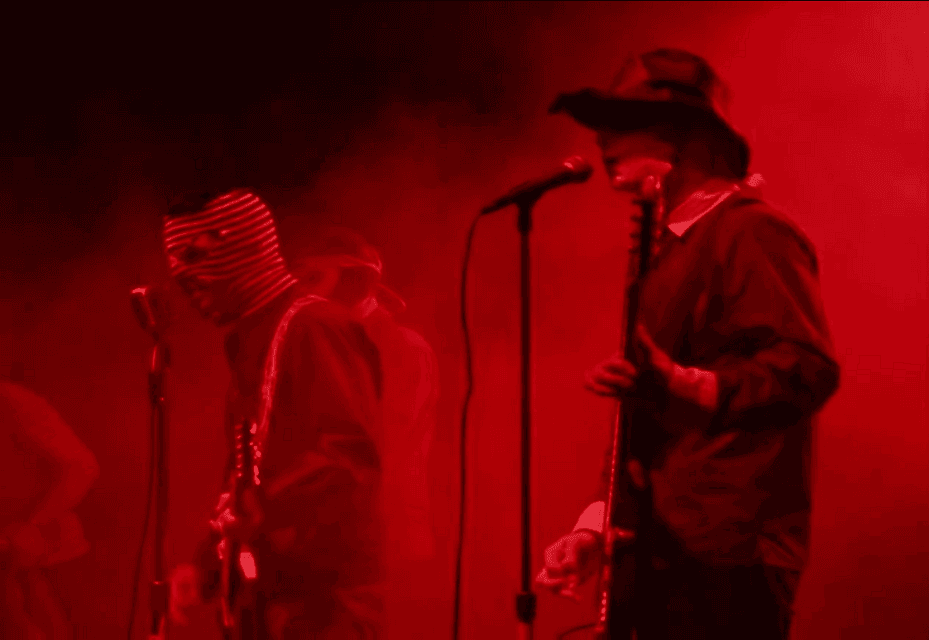
Shares post-punk, new wave, punk rock (subgenres); drum machine, analog warmth, layered dense (production style)
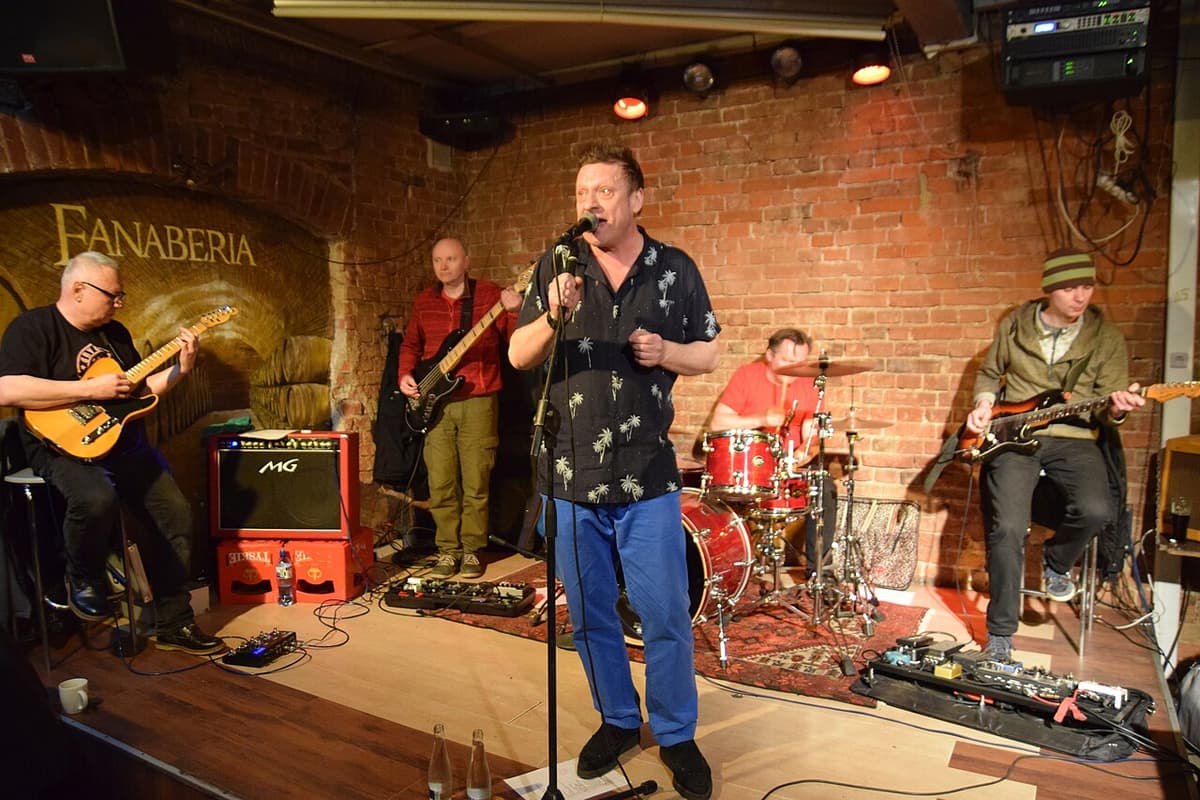
Shares post-punk, new wave, punk rock (subgenres); keys/synth, electric guitar, drum machine (instrumentation)
Shares new wave, post-punk, art rock (subgenres); urban night, dive bar, late night (atmosphere)
Shares playful, rebellious, mysterious (moods); post-punk, art rock, new wave (subgenres)
Shares lo fi, drum machine, analog warmth (production style); dive bar, basement show, urban night (atmosphere)
Shares new wave, synth-pop, art rock (subgenres); keys/synth, electric guitar, drum machine (instrumentation)
Shares post-punk, new wave, punk rock (subgenres); lo fi, drum machine, analog warmth (production style)
Shares new wave, post-punk, spoken word, art rock (subgenre)
Cassette uses generative AI to enrich its catalog. How we use AI →