The Clark Sisters, originally known as The Sentimentalists, were a premier American vocal harmony group active during the mid-20th century. Hailing from North Dakota, the quartet consisted of sisters Mary, Peggy, Ann, and Jean Clark.
They rose to national prominence in 1944 when they were recruited by Tommy Dorsey to replace the Pied Pipers. Their sound identity is defined by 'instrumental singing,' a technique where vocalists emulate the phrasing, timbre, and attack of big band horn sections. This approach earned them significant respect among jazz musicians and aficionados, even as they remained slightly more niche than mainstream acts like the McGuire Sisters. Their career arc saw them transition from Dorsey's band to successful independent recording artists, most notably with Dot Records in the late 1950s. Their influence persists in the world of vocal jazz and barbershop, where their arrangements are studied for their extreme harmonic density and rhythmic complexity. Critical consensus views them as one of the most technically proficient vocal groups of the swing era, noted for their impeccable intonation and 'locked' ensemble sound.

Shares swing, vocal jazz, traditional pop, soprano (signature)
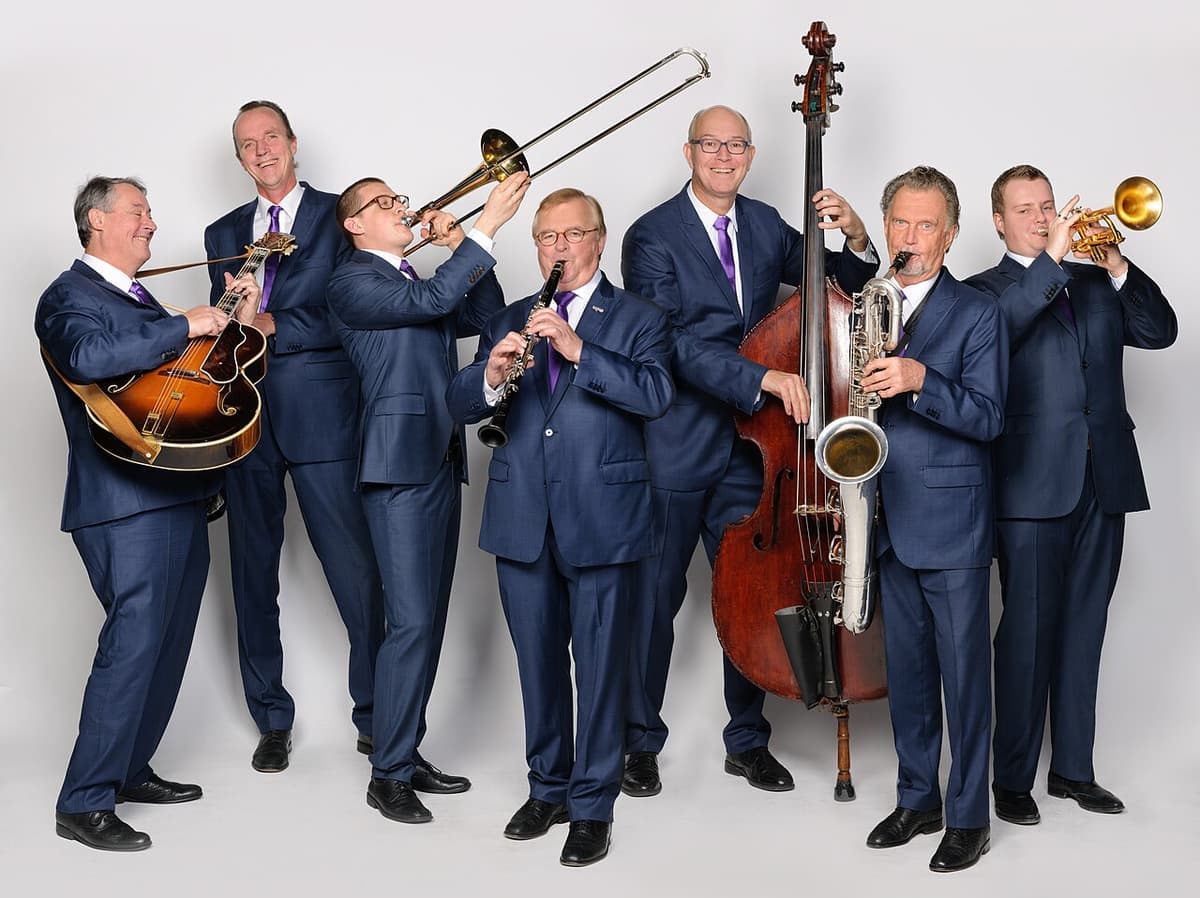
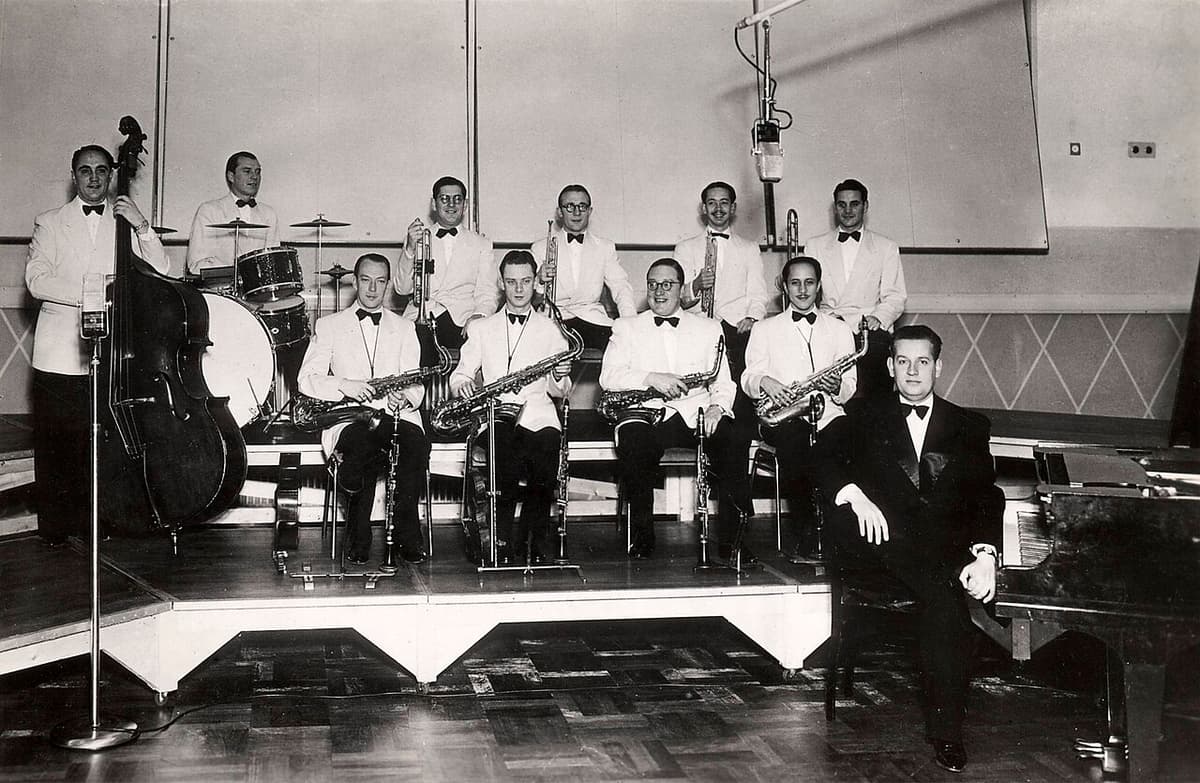
Shares big band, swing, trumpet, vocal jazz (subgenre)
Shares big band, swing, trumpet, vocal jazz (subgenre)
Shares swing, big band, trumpet, vocal jazz (signature)
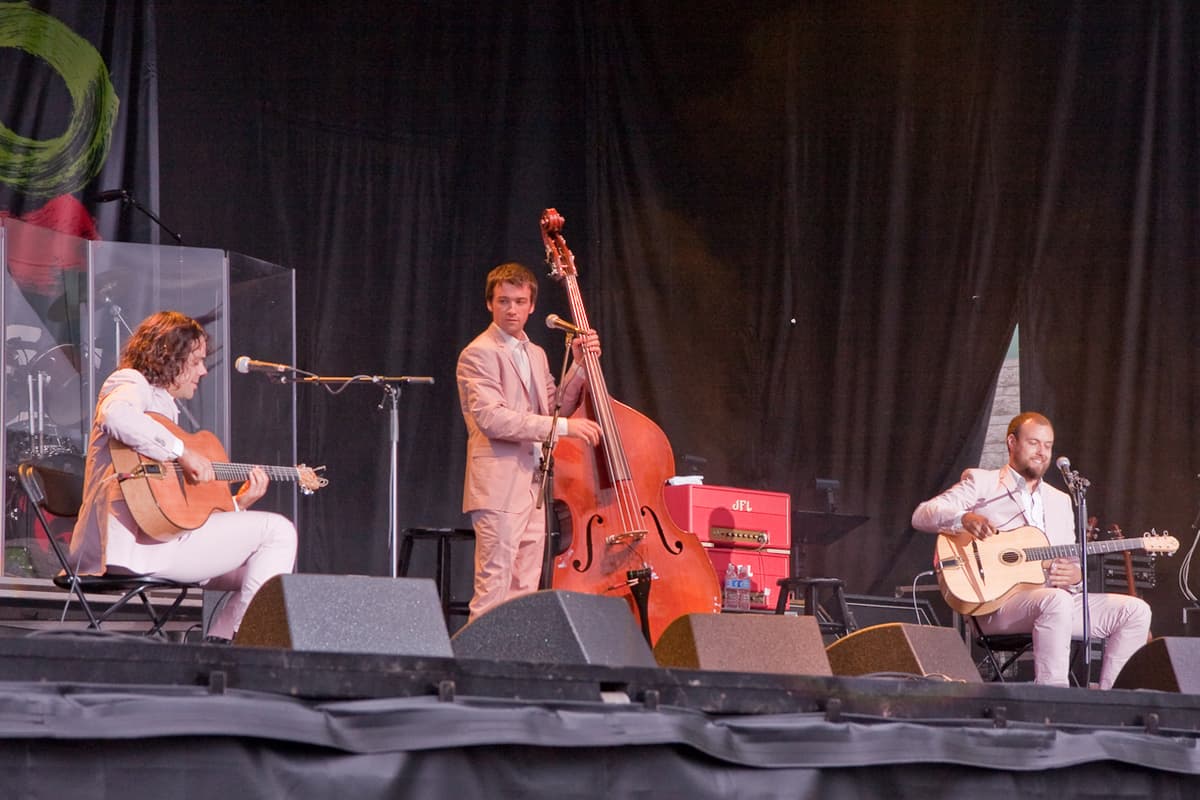

Shares swing, big band, trumpet, vocal jazz (signature)
Shares swing, big band, trumpet, vocal jazz (signature)
Cassette uses generative AI to enrich its catalog. How we use AI →