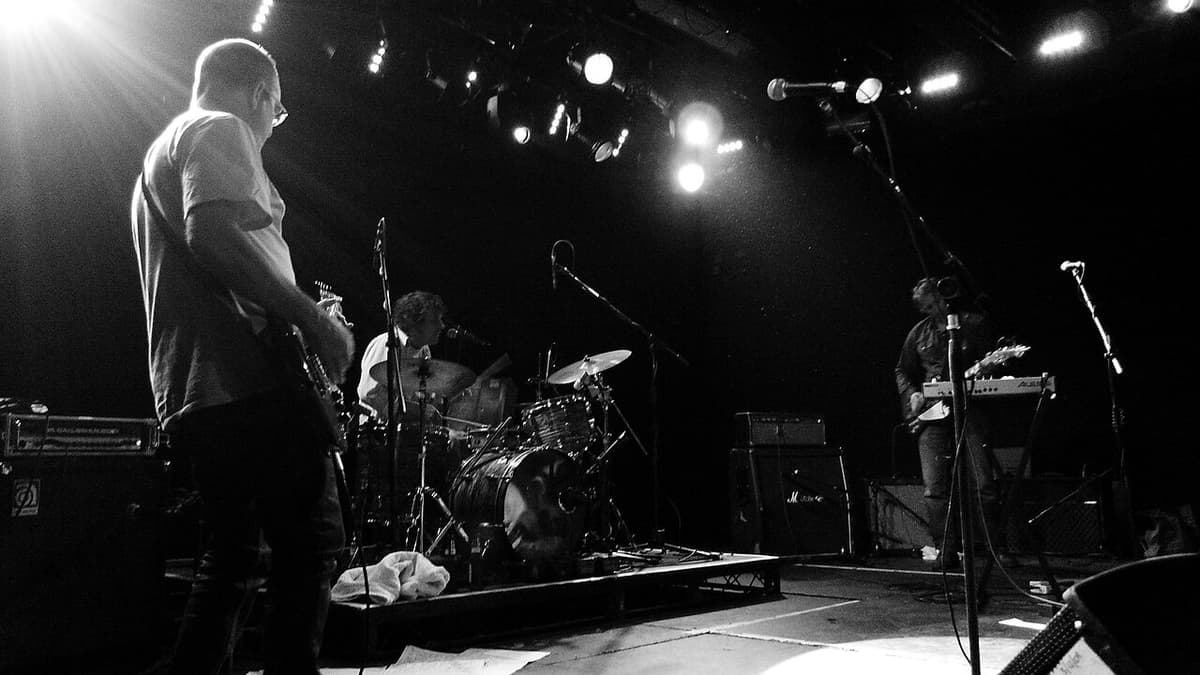
The Clean
Shambolic, jangly guitar pop with a motorik heart. The blueprint for indie rock, recorded in a New Zealand basement with equal parts grit and melody.
Shambolic, jangly guitar pop with a motorik heart. The blueprint for indie rock, recorded in a New Zealand basement with equal parts grit and melody.
The Clean sound like a band that discovered the Velvet Underground in a vacuum. There is a specific, sun-drenched isolation to their music, characterized by David Kilgour’s scratchy, melodic guitar lines and Hamish Kilgour’s insistent, driving percussion. It is music that feels both urgent and relaxed, capturing the exact moment a pop hook emerges from a mess of feedback and basement noise.
What makes them distinctive is the 'Dunedin Sound' - a blend of 60s garage pop sensibilities, punk energy, and a hypnotic, almost krautrock-inspired repetition. They never sound like they are trying too hard, yet every song feels essential. The interplay between the organ drones and the jangly guitars creates a texture that is simultaneously thin and incredibly resonant.
Start with the 'Anthology' or 'Compilation' to hear the hits that defined an era. 'Tally Ho' and 'Anything Could Happen' are the perfect entry points for their infectious, low-budget brilliance, while 'Point That Thing Somewhere Else' showcases their ability to build a dark, towering atmosphere out of a simple, repetitive riff.
The Clean was a New Zealand indie rock band formed in Dunedin in 1978. They have been described as the most influential band to come from the Flying Nun label, which recorded many artists associated with the "Dunedin sound", and one of the first bands to be described as "indie rock". Led by brothers Hamish and David Kilgour, the band rotated through a number of musicians before settling on their well-known and longest running line-up with Robert Scott. Their name comes from a character from the movie Free Ride called Mr. Clean.
Shares indie rock, garage rock, psychedelic rock (subgenres); lo fi, analog warmth, bedroom production (production style)
Shares lo fi, analog warmth, minimalist (production style); indie rock, psychedelic rock, art rock (subgenres)
Shares deadpan, gentle, harmonized (vocal style); indie rock, art rock, psychedelic rock (subgenres)
Shares deadpan, gentle, harmonized (vocal style); indie rock, garage rock, post-punk (subgenres)
Shares indie rock, psychedelic rock, art rock (subgenres); lo fi, analog warmth, bedroom production (production style)
Shares indie rock, garage rock, psychedelic rock (subgenres); deadpan, gentle, harmonized (vocal style)
Shares indie rock, post-punk, garage rock (subgenres); playful, restless, wistful (moods)
Shares indie rock, psychedelic rock, garage rock (subgenres); playful, restless, wistful (moods)
Shares indie rock, post-punk, psychedelic rock (subgenres); lo fi, analog warmth, tape saturation (production style)
Shares garage rock, psychedelic rock, indie rock (subgenres); playful, restless, wistful (moods)
Shares indie rock, organ, garage rock, psychedelic rock (signature)
Shares indie rock, garage rock, post-punk, playful (signature)
Cassette uses generative AI to enrich its catalog. How we use AI →


