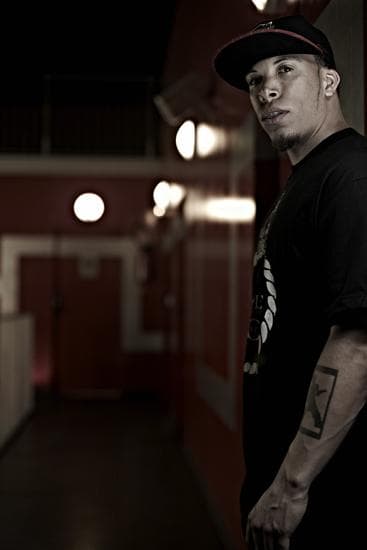
The D.O.C.
Surgical lyricism meeting heavy West Coast funk. Before a tragic accident, he was the gold standard for flow; afterward, he became the shadow architect of G-funk.
Surgical lyricism meeting heavy West Coast funk. Before a tragic accident, he was the gold standard for flow; afterward, he became the shadow architect of G-funk.
Listening to The D.O.C. is like watching a master craftsman at work. In his prime, his delivery was incredibly sharp, possessing a rhythmic clarity and breath control that few could match. It is the sound of the late 80s West Coast transition, where the frantic energy of electro-hop was being replaced by the heavy, deliberate thud of Dr. Dre’s early production. The music feels authoritative, grounded in deep funk samples and a relentless, confident swagger.
What truly distinguishes him is the duality of his career. There is the 'No One Can Do It Better' era, defined by a smooth, commanding voice, and the 'Helter Skelter' era, which features a raspy, damaged vocal timbre that adds a layer of grit and tragedy to his work. Even when his physical voice changed, his architectural understanding of a rap song remained intact, manifesting in the complex internal rhymes and structural flows he gifted to his contemporaries.
Start with 'No One Can Do It Better' to hear one of the most perfect debut albums in hip-hop history. It captures the exact moment the West Coast found its lyrical identity. Then, listen to 'Helter Skelter' to hear how he adapted his genius to a darker, more industrial landscape after his accident.
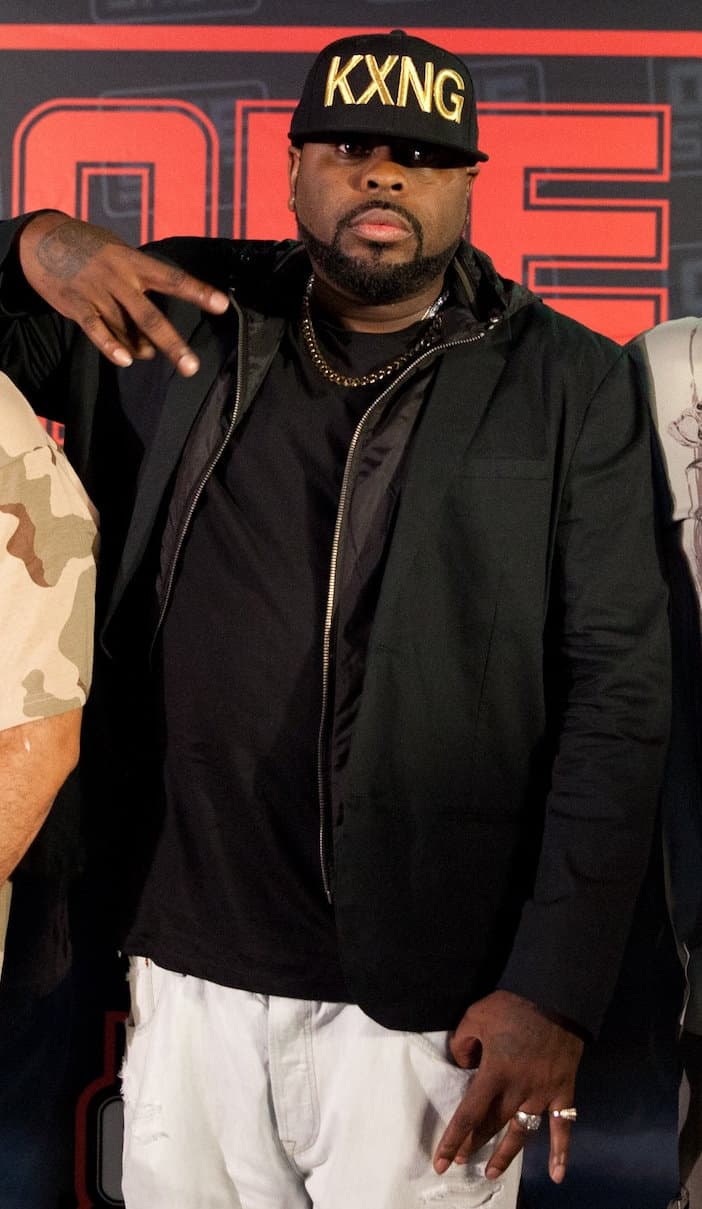
Tracy Lynn Curry (born June 10, 1968), better known by his stage name the D.O.C., is an American rapper, songwriter, and record producer. Along with his solo career, he was a member of the Southern hip hop group Fila Fresh Crew, and later co-wrote for and collaborated with the gangsta rap group N.W.A and Eazy-E. He has also worked with record producer Dr. Dre, co-writing Dre's first album, The Chronic, while Dre produced Curry's first solo album, No One Can Do It Better (1989), which was released by Eazy-E's Ruthless Records in a joint venture with Atlantic Records. With Dr. Dre and record executives Suge Knight and Dick Griffey, Curry co-founded Death Row Records in 1991, which has signed artists including Tupac Shakur and Snoop Dogg. After the disbandment of Fila Fresh Crew in 1988, Curry promptly began recording solo work. No One Can Do It Better peaked at number 20 on the Billboard 200 and spawned two number one songs on the Hot Rap Songs chart: "It's Funky Enough" and "The D.O.C. & The Doctor". Shortly after the album's release, Curry suffered a severe car crash that permanently changed his voice. Since his accident, he has released two more albums, Helter Skelter in 1996 and Deuce in 2003. At the 66th Annual Grammy Awards, Curry won a Grammy Lifetime Achievement Award along with N.W.A., alongside Ice Cube, MC Ren, and DJ Yella.
Shares boom bap, gangsta rap (subgenres); sample based, analog warmth, studio polished (production style)
Shares boom bap, gangsta rap (subgenres); sample based, analog warmth, studio polished (production style)
Shares boom bap, gangsta rap (subgenres); sample based, analog warmth, studio polished (production style)

Shares boom bap, gangsta rap (subgenres); sample based, studio polished, analog warmth (production style)
Shares boom bap, gangsta rap (subgenres); rap, raspy, gravelly (vocal style)
Shares boom bap, gangsta rap (subgenres); sample based, analog warmth, studio polished (production style)
Shares boom bap, gangsta rap (subgenres); sample based, analog warmth, studio polished (production style)
Shares boom bap, gangsta rap (subgenres); sample based, analog warmth, drum machine (production style)
Shares boom bap, gangsta rap (subgenres); sample based, analog warmth, studio polished (production style)
Cassette uses generative AI to enrich its catalog. How we use AI →