Listening to The Focus Group is like stumbling upon a box of unlabeled 16mm film reels in the basement of a defunct primary school. The music is a dense, jittery patchwork of woodwind flourishes, harpsichord stabs, and the comforting but slightly menacing voices of 1970s public information films. It captures a very specific British 'hauntology' - a sense of nostalgia for a future that never quite arrived, filtered through the grainy texture of magnetic tape and the hiss of a dying television set.
What makes Julian House's work truly distinctive is the pacing. Tracks are often tiny vignettes, lasting barely a minute before dissolving into a wash of static or a new, unrelated melody. This creates a dreamlike, non-linear experience where the listener is constantly disoriented yet strangely at home. It is psychedelic in the most literal sense, expanding the mind by rearranging the familiar debris of the 20th century into something occult and new.
Start with 'The Elektrik Karousel' for a more structured, kaleidoscopic journey, or dive into the acclaimed collaboration 'Investigate Witch Cults of the Radio Age' with Broadcast. These records serve as the perfect gateway into a world where the boundary between a cozy afternoon and a folk-horror nightmare is paper-thin.
The Focus Group is a project of experimental electronic musician and graphic designer Julian House. The Focus Group's sound is a blend of influences ranging from old library music sounds produced in the 1970s, 1960s-inspired pastiches, public information films, and soundtracks to 1970s films and programmes, as well as the sound collage of musique concrète. The Focus Group have released five studio albums on House's own label, Ghost Box: Sketches and Spells (2004), Hey Let Loose Your Love (2005), We Are All Pan's People (2007), The Elektrik Karousel (2013) and Stop-Motion Happening with the Focus Groop (2017). Hey Let Loose Your Love was featured in The Wire's top 50 albums of 2005. Additionally, House collaborated with indie electronic band Broadcast, resulting in the 2009 album Broadcast and the Focus Group Investigate Witch Cults of the Radio Age (issued by Warp) and the 2010 7-inch EP Familiar Shapes and Noises (released on Ghost Box). Investigate Witch Cults of the Radio Age was named The Wire's top album of 2009.


Shares sample based, lo fi, tape saturation (production style); downtempo (subgenres)
Shares restless, energetic, tense (moods); basement show, urban night, focused work (atmosphere)
Shares post-punk, art rock, math rock (subgenres); restless, playful, mysterious (moods)
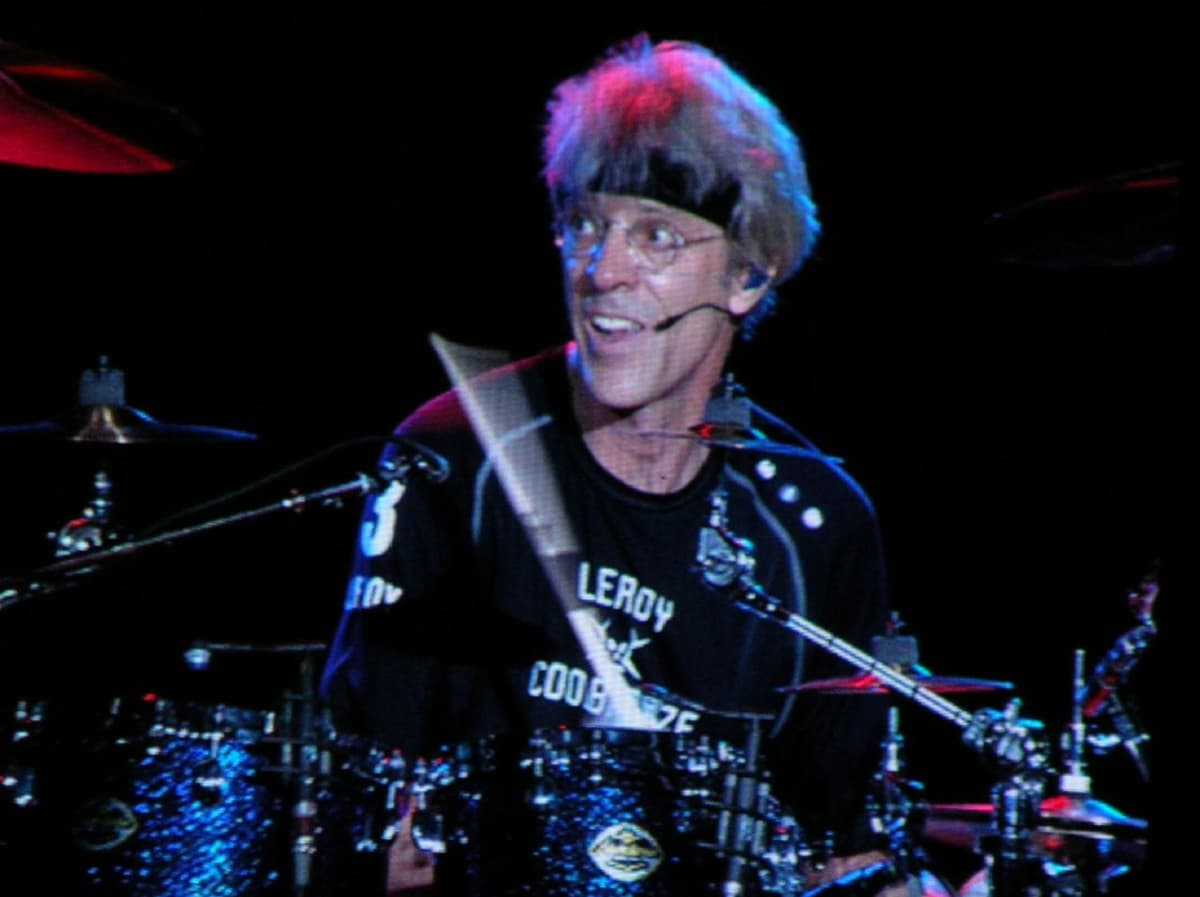
Shares restless, playful, mysterious (moods); layered dense, sample based, digital clarity (production style)
Shares playful, restless, mysterious (moods); sample based, digital clarity, layered dense (production style)
Shares sample based, lo fi, tape saturation (production style); mysterious, haunting, nostalgic (moods)
Shares sample based, lo fi, tape saturation (production style); mysterious, nostalgic, playful (moods)
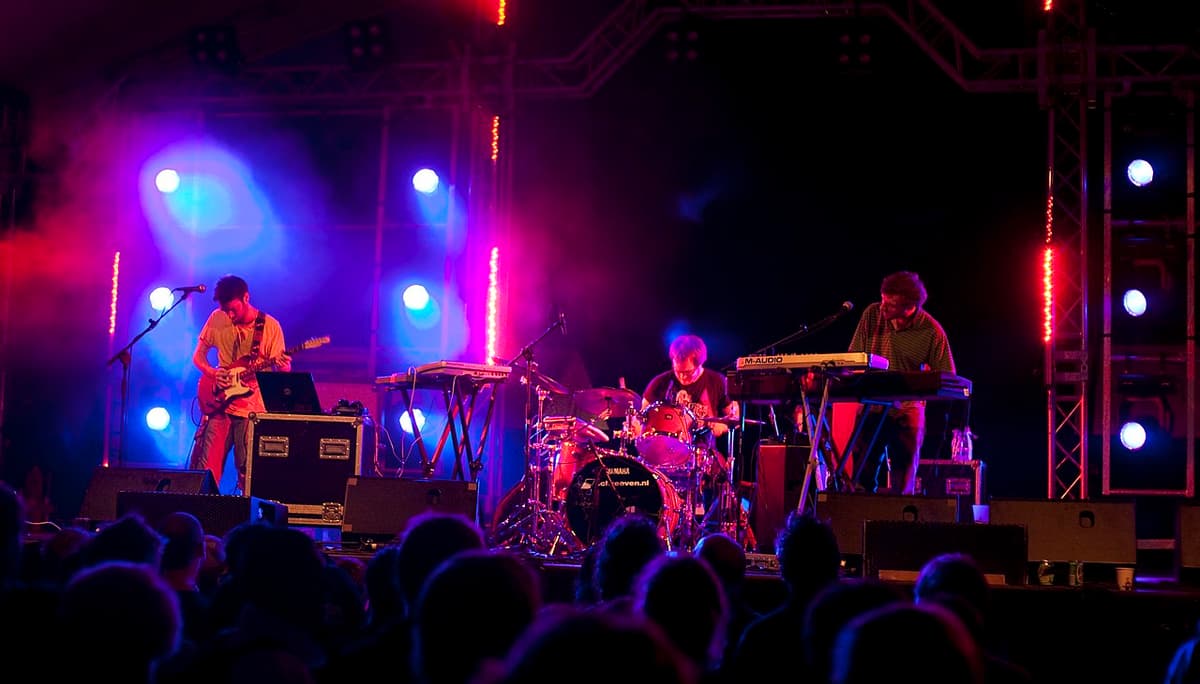
Shares basement show, urban night, focused work (atmosphere); layered dense, digital clarity, noise textured (production style)
Shares restless, playful, mysterious (moods); basement show, urban night, focused work (atmosphere)
Shares sample based, lo fi, tape saturation (production style); trip-hop, downtempo, psychedelic rock (subgenres)
Shares restless, playful, mysterious (moods); art rock, post-punk (subgenres)
Shares absent (vocal style); restless, playful, energetic (moods)
Cassette uses generative AI to enrich its catalog. How we use AI →