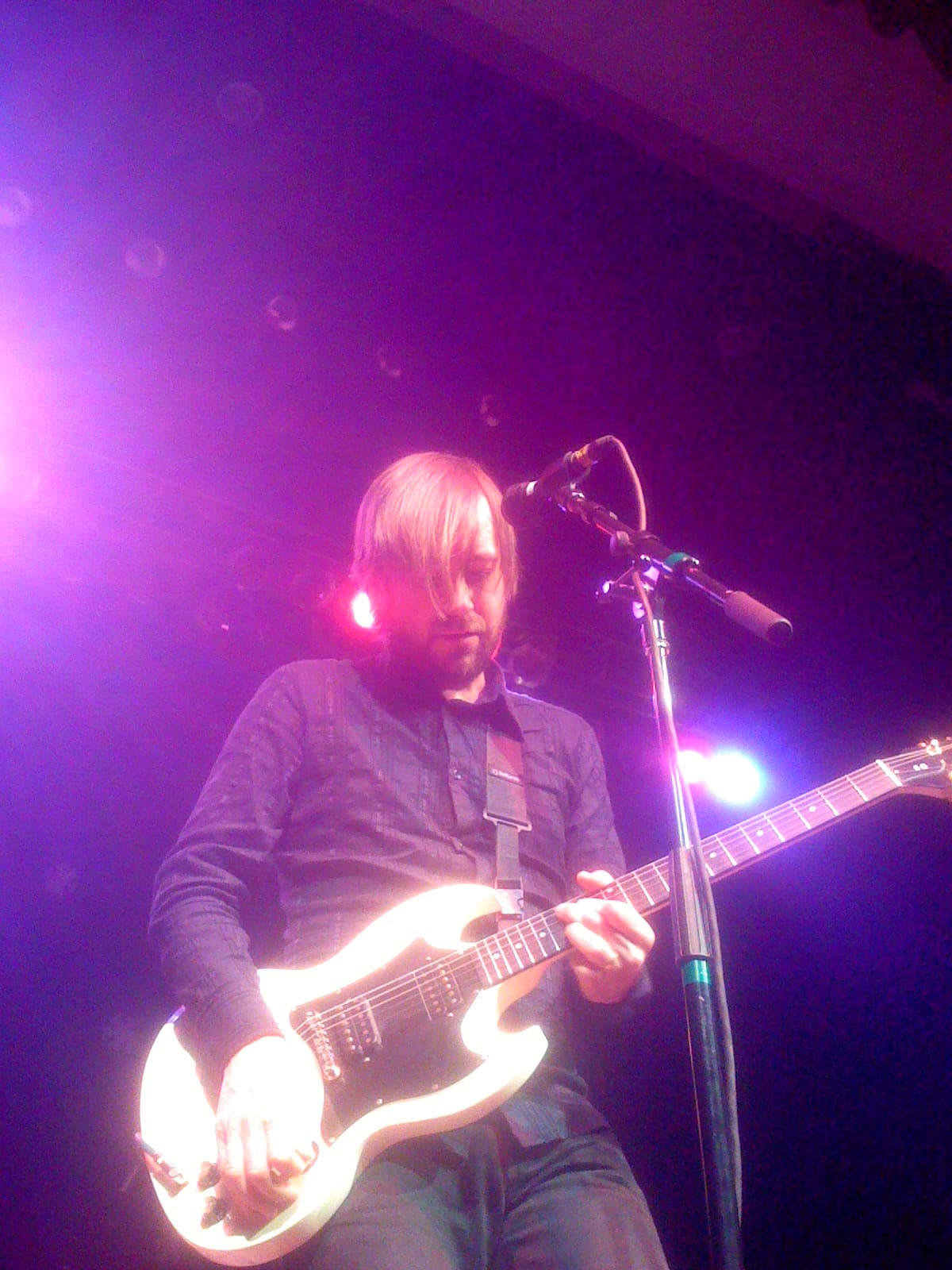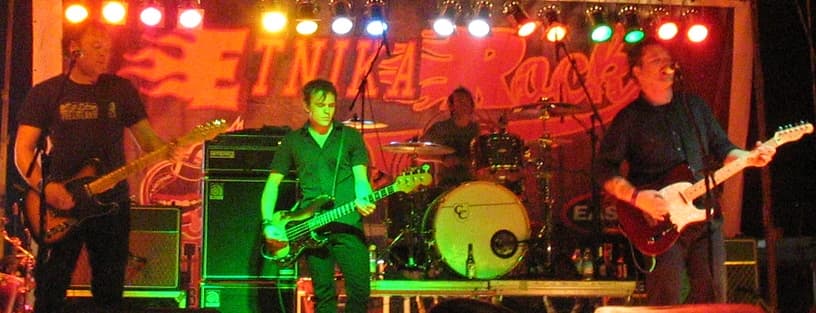
The Get Up Kids
Driving guitars and earnest, strained vocals that capture the specific ache of suburban youth. The definitive sound of late-90s Midwest emo and indie rock.
Driving guitars and earnest, strained vocals that capture the specific ache of suburban youth. The definitive sound of late-90s Midwest emo and indie rock.
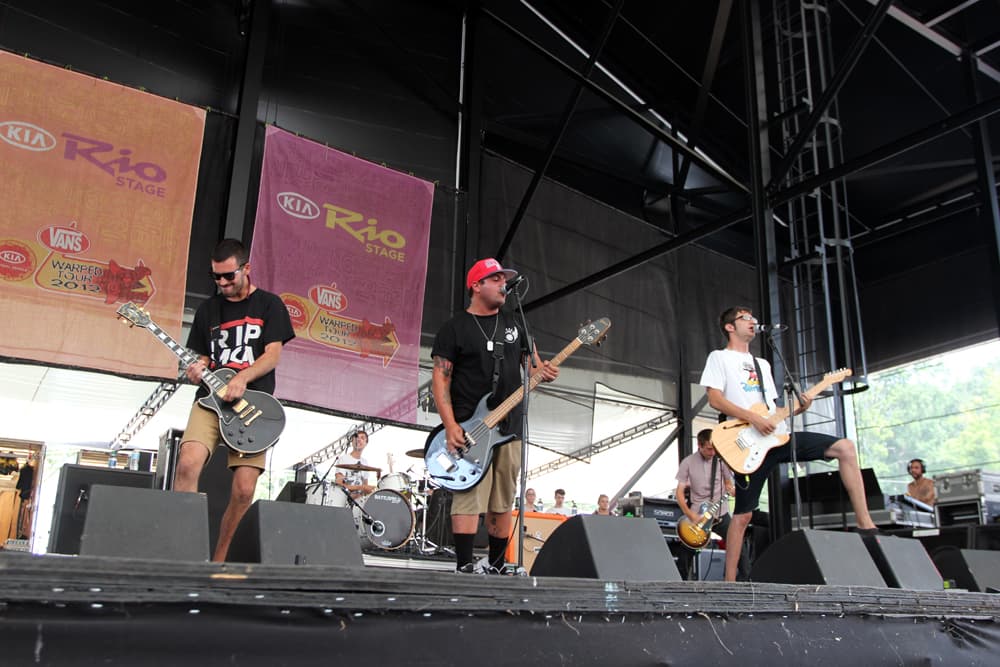
The Get Up Kids are a foundational pillar of the 'second wave' of emo, emerging from Kansas City in 1995. Their sound bridged the gap between the abrasive post-hardcore of the early 90s and the polished pop-punk that would dominate the 2000s.
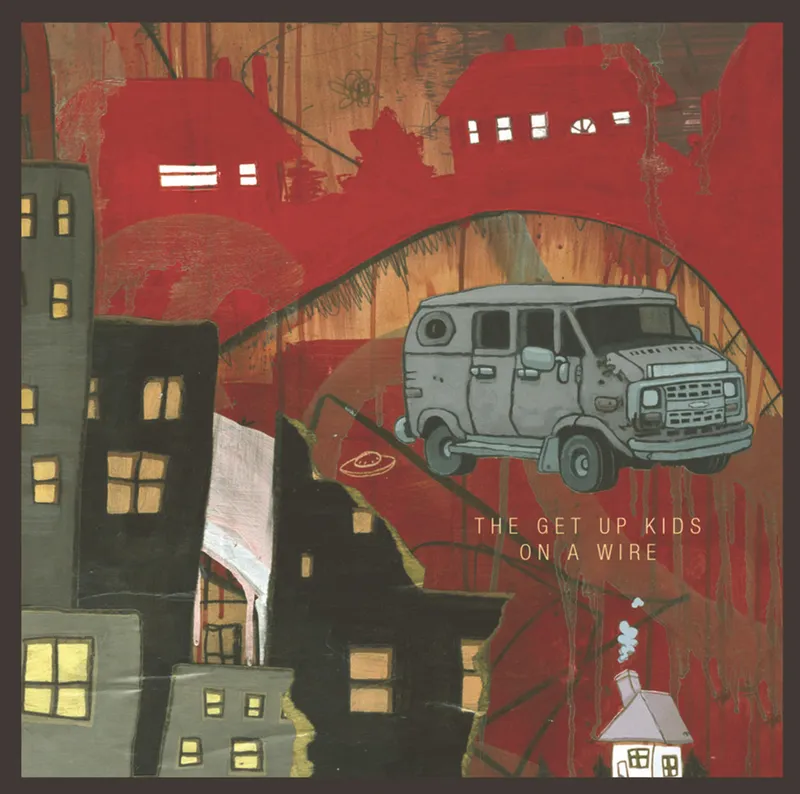
Central to their identity is the 1999 masterpiece 'Something to Write Home About', which utilized Moog synthesizers and high-fidelity production to elevate the genre's emotional vocabulary. The band's career arc is marked by a restless evolution; they famously pivoted toward a stripped-back, Americana-influenced indie rock sound on 2002's 'On a Wire', a move that alienated some fans at the time but has since been critically re-evaluated as a brave artistic shift. They were instrumental in the success of Vagrant Records and influenced a generation of massive acts, most notably Fall Out Boy and My Chemical Romance. Despite several hiatuses and reunions, they remain a benchmark for earnest, melodic songwriting that prioritizes emotional resonance over technical perfection.
Shares emo, indie rock, alternative rock (subgenres); basement_show, road_trip, autumn_walk (atmosphere)
Shares harmonized, nasal (vocal style); basement_show, road_trip, autumn_walk (atmosphere)
Shares indie rock, emo, alternative rock (subgenres); harmonized, nasal (vocal style)
Shares emo, indie rock, punk rock (subgenres); basement_show, road_trip, autumn_walk (atmosphere)
Shares emo, indie rock, alternative rock (subgenres); basement_show, road_trip, autumn_walk (atmosphere)
Shares indie rock, alternative rock, emo (subgenres); harmonized, nasal (vocal style)
Shares emo, indie rock, punk rock (subgenres); basement_show, road_trip, autumn_walk (atmosphere)
Shares emo, alternative rock, punk rock (subgenres); vulnerable, bittersweet, nostalgic (moods)
Shares emo, autumn_walk, vulnerable, indie rock (subgenre)
Cassette uses generative AI to enrich its catalog. How we use AI →