The Southern Death Cult represents a pivotal moment in the transition from UK punk to gothic rock. Formed in Bradford in 1981, the band was led by Ian Astbury (then Ian Lindsay), whose interest in Native American imagery and shamanism gave the group a unique aesthetic identity compared to their peers.
Their sound was characterized by a 'tribal' approach to rhythm, eschewing standard rock beats for heavy tom-tom patterns, and a guitar style that utilized delay and flange to create a sense of space and dread. Despite only releasing one double A-side single during their lifetime, they topped the independent charts and became a foundational influence on the deathrock and goth subcultures. The band's dissolution in 1983 led directly to the formation of Death Cult and eventually The Cult, marking Astbury's shift toward hard rock. Historically, they are cited alongside UK Decay and Bauhaus as architects of the 'positive punk' movement, which prioritized atmosphere and theatricality over punk's initial minimalism.

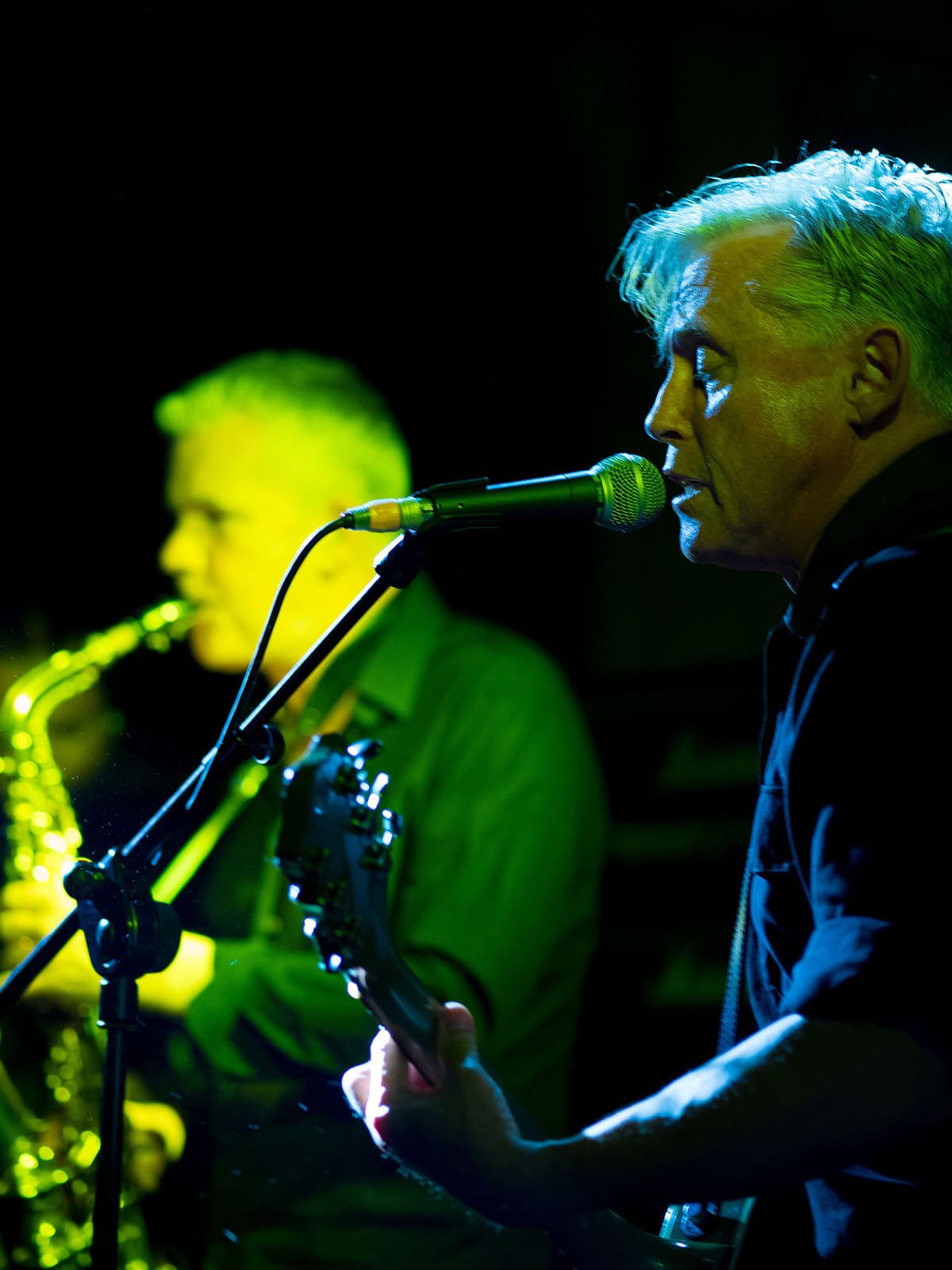
Shares post-punk, punk rock (subgenres); rebellious, mysterious, urgent (moods)
Shares post-punk, punk rock (subgenres); basement_show, urban_night, fog (atmosphere)
Shares post-punk, punk rock (subgenres); basement_show, urban_night, fog (atmosphere)
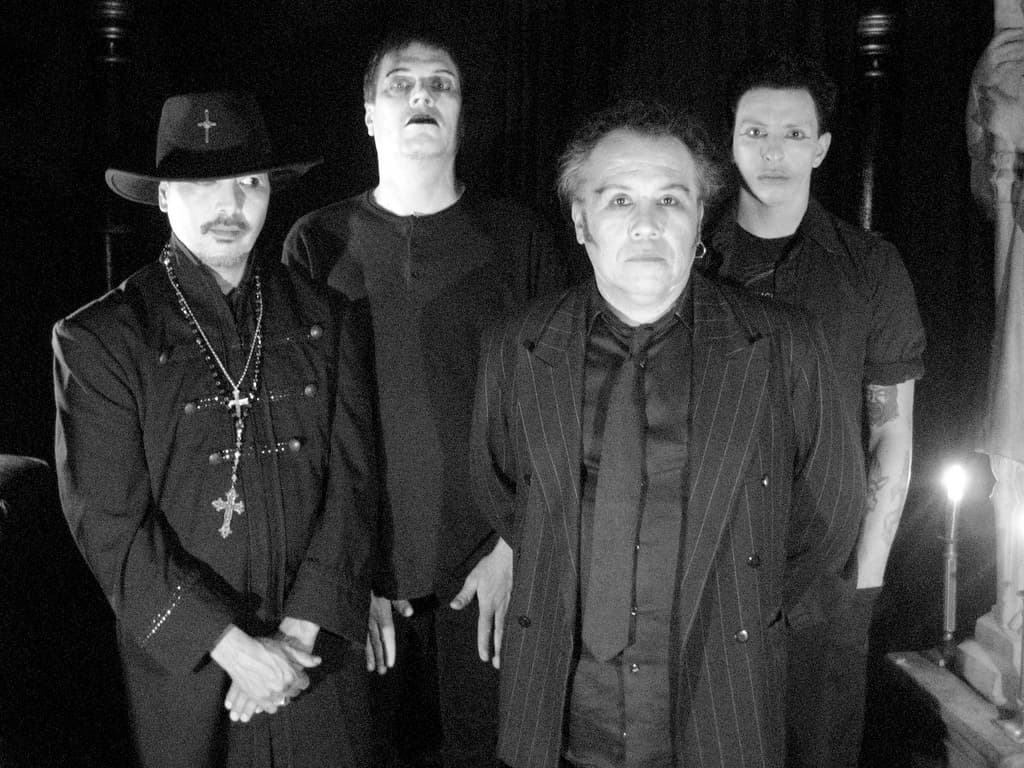
Shares brooding, mysterious, rebellious (moods); post-punk (subgenres)
Shares post-punk, punk rock (subgenres); basement_show, urban_night, fog (atmosphere)
Shares post-punk, punk rock (subgenres); lo_fi, live_recording (production style)
Shares post-punk, punk rock (subgenres); lo_fi, live_recording (production style)
Shares lo_fi, live_recording, reverb_heavy (production style); basement_show, urban_night, fog (atmosphere)
Shares deathrock, punk rock, post-punk, dive_bar (signature)
Cassette uses generative AI to enrich its catalog. How we use AI →