The Strike sounds like the climax of a 1980s coming-of-age film reimagined with modern, high-fidelity production. It is a world of bright, gated-reverb drums, soaring vocal melodies, and synths that feel like they are glowing. The music carries an inherent sense of momentum, balancing the polished sheen of Top 40 pop with the soul and grit of a live rock band.
What truly sets them apart is the sheer scale of their sound. While many indie-pop acts lean into a lo-fi or bedroom aesthetic, The Strike aims for the rafters. Chris Crabb’s vocals possess a theatrical power that recalls the great frontmen of the arena-rock era, while the arrangements are meticulously layered with funk-inflected guitars and occasional brass flourishes that add a sophisticated organic layer to the electronic foundation.
Start with the album Faint of Heart to experience their foundational blend of retro-nostalgia and modern energy. It is the perfect entry point for anyone who loves the aesthetic of the 80s but wants the punch and clarity of contemporary pop. It is music designed to make you feel like the protagonist of your own life.


Shares synth-pop, indie pop, new wave (subgenres); euphoric, nostalgic, confident (moods)
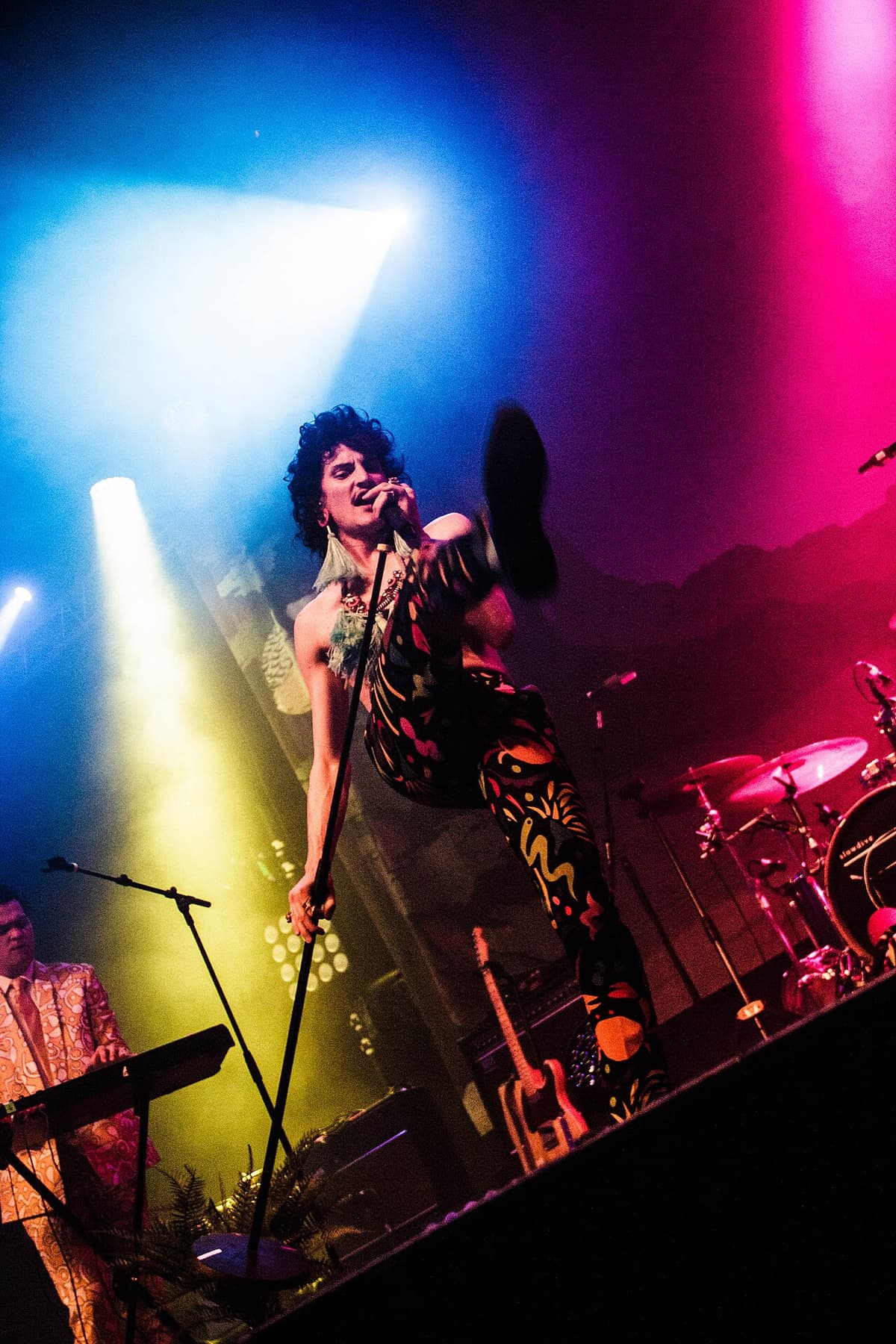
Shares hi fi, studio polished, maximalist (production style); synth-pop, indie pop, new wave (subgenres)
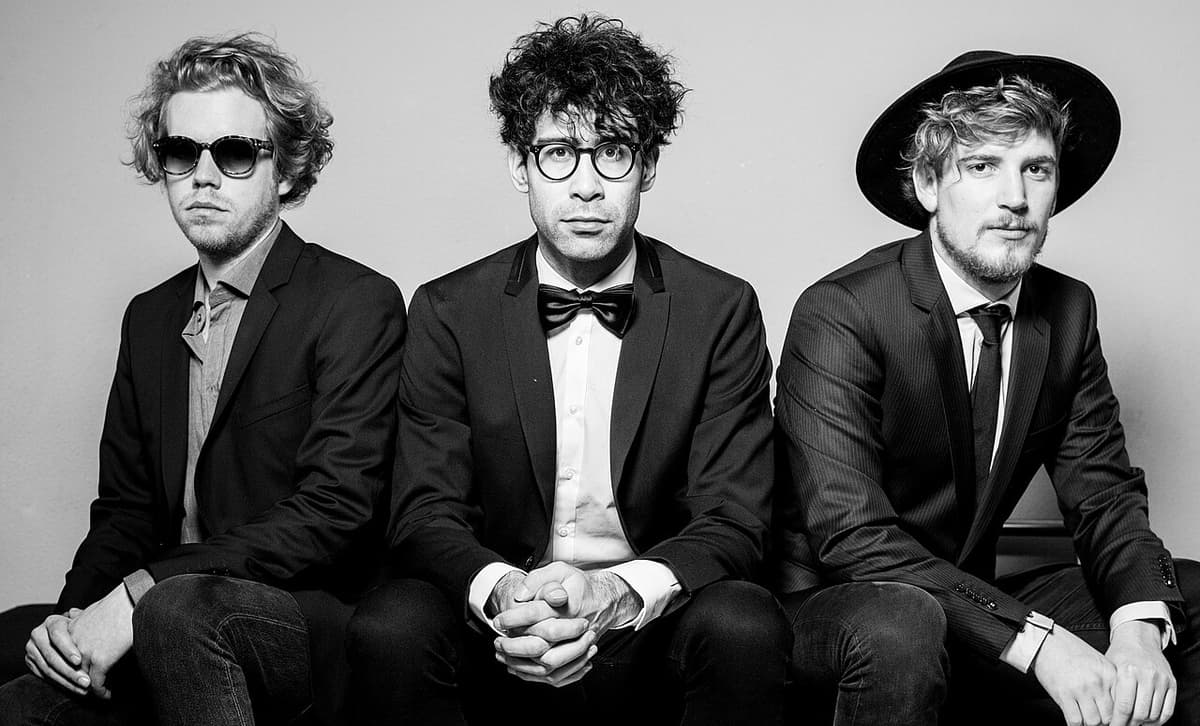
Shares synth-pop, indie pop, pop rock (subgenres); hi fi, studio polished, digital clarity (production style)
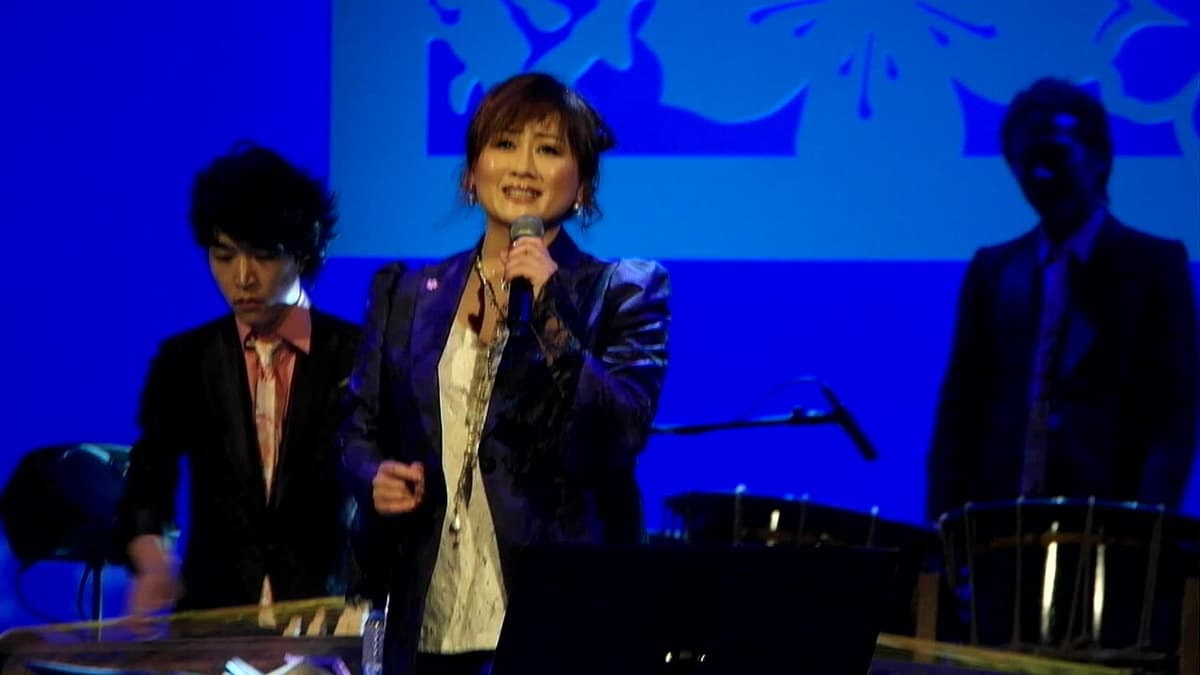
Shares synth-pop, pop rock, new wave (subgenres); studio polished, maximalist, digital clarity (production style)
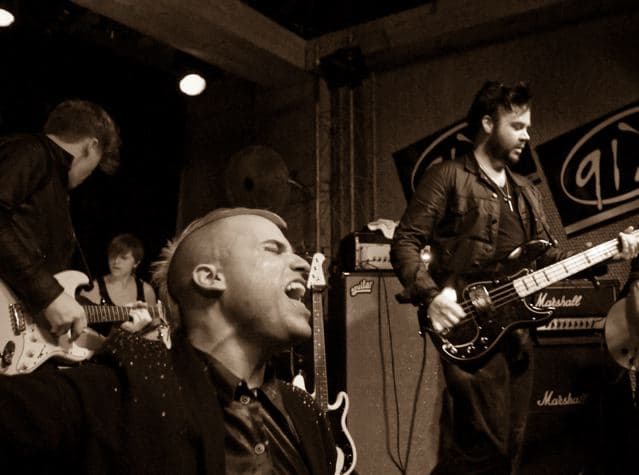
Shares hi fi, studio polished, maximalist (production style); synth-pop, indie pop, new wave (subgenres)
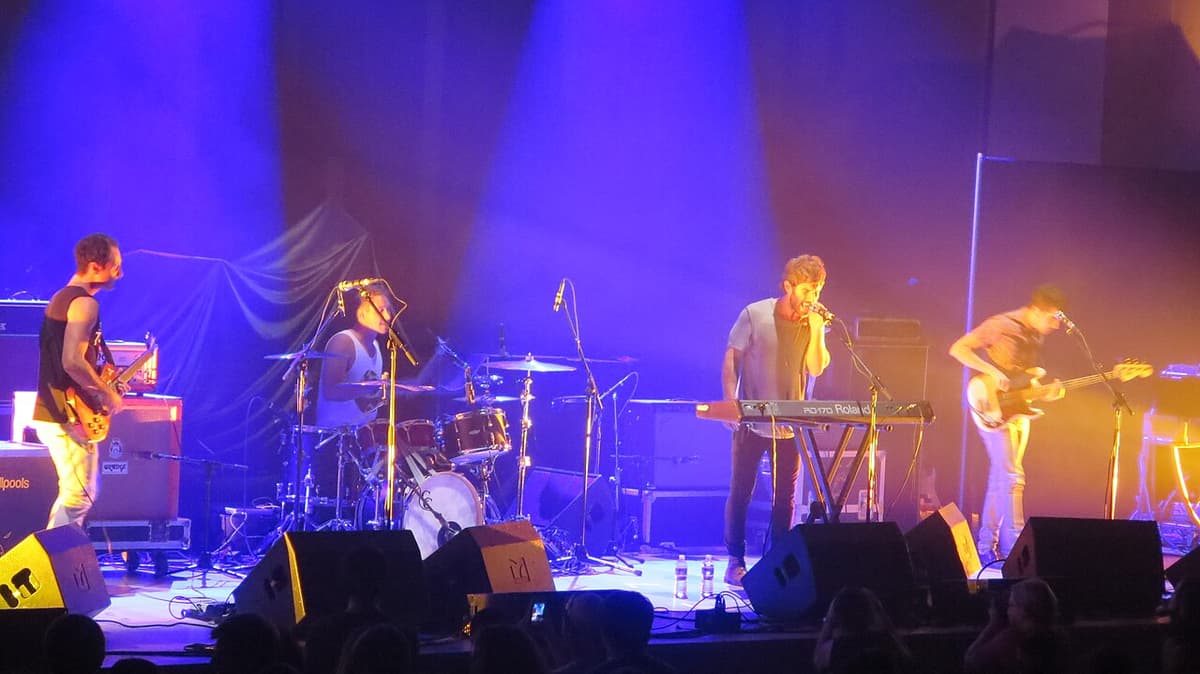
Shares indie pop, synth-pop, pop rock (subgenres); studio polished, maximalist, digital clarity (production style)
Shares synth-pop, indie pop, pop rock (subgenres); golden hour, summer, urban night (atmosphere)
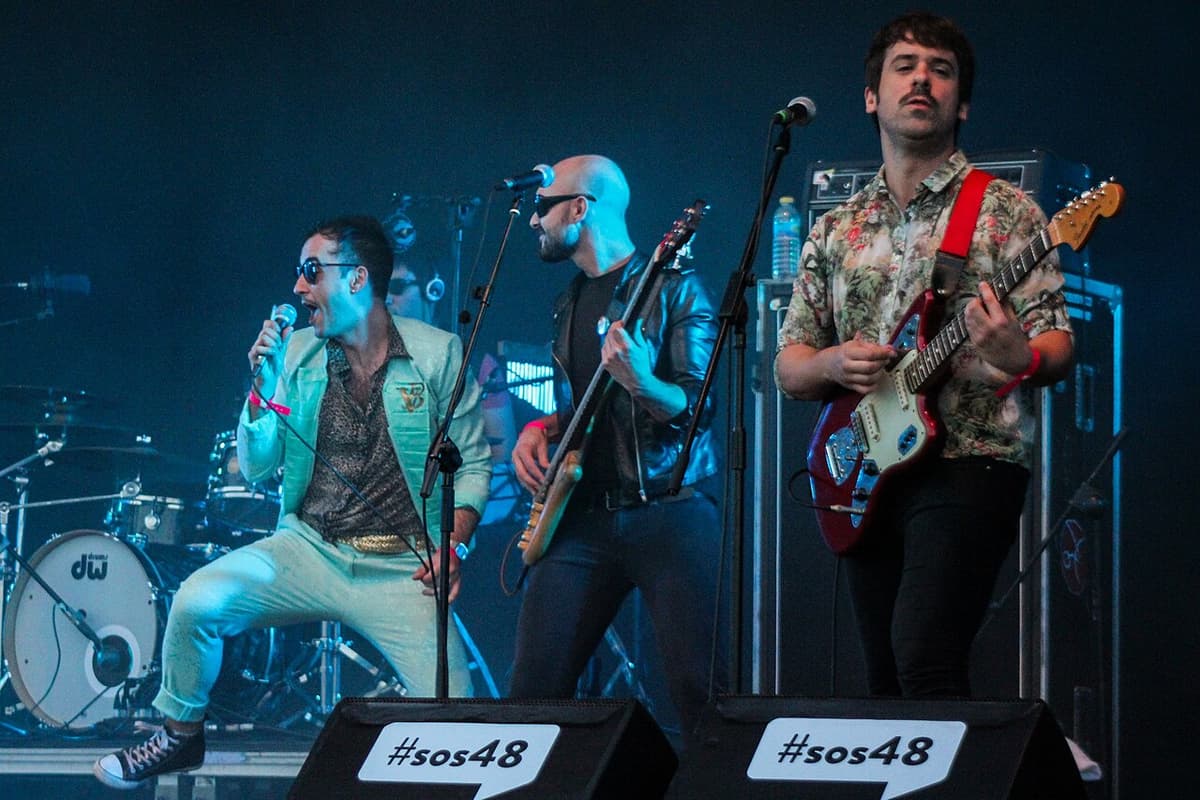
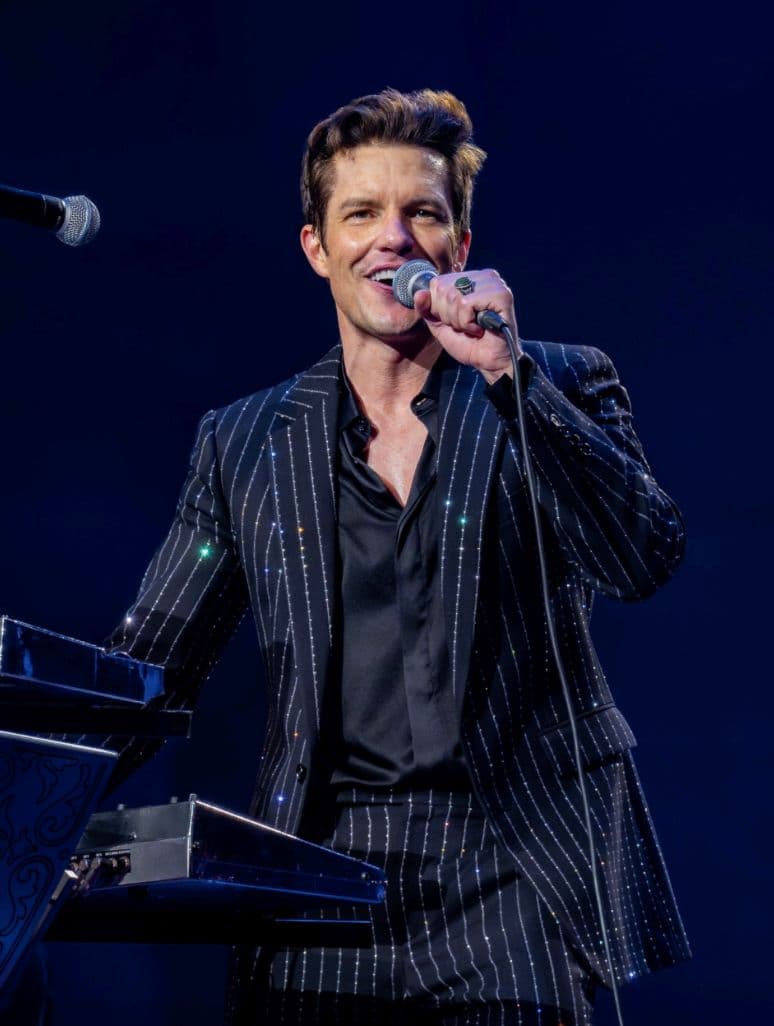
Cassette uses generative AI to enrich its catalog. How we use AI →