This is the sound of a very specific kind of Canadian basement energy: smart, slightly bitter, and deeply obsessed with the absurdity of local identity and emerging tech culture. The music is often stripped down to acoustic guitars and tight three-part vocal harmonies, which makes the biting sarcasm of the lyrics land with even more precision. It feels like a private joke shared between people who are tired of the status quo but still have enough energy to write a catchy chorus about it.
What truly sets them apart is the 'political spite' mentioned in their history. They don't just do silly voices; they weaponize regional stereotypes and historical facts to create songs that feel like an inside look at the Canadian psyche. Whether they are tearing down Toronto or explaining the War of 1812, there is a sense of intellectual mischief that prevents the comedy from feeling dated, even when the subject matter is rooted in the nineties.
Start with 'The Toronto Song' to understand their brand of regional warfare, then move into 'The White House Burned' for a masterclass in historical parody. If you have ever worked in IT or struggled with a dial-up connection, 'Welcome to the Internet Helpdesk' is a mandatory rite of passage.
The Three Dead Trolls in a Baggie were a Canadian musical and comedy group from Edmonton, Alberta, formed in 1987. Their credits include numerous stage productions, two television shows, and multiple albums. The Trolls did sketch comedy, often on risqué or controversial subjects, along with humorous songs. One of their songs, "The Toronto Song" (which is often incorrectly attributed to The Arrogant Worms), makes fun of Ontario by insulting the city of Toronto, as well as all of Ontario, and eventually insulting the rest of the provinces except for Alberta. The Trolls also composed musical parodies of historical events such as the War of 1812, and Canada's 1999 division of Nunavut from the Northwest Territories; the song "Nunavut" opens with "We'll keep Canada... and you can have Nunavut!" (pronouncing it "None-of-it").


Shares acoustic folk, indie pop (subgenres); acoustic guitar, piano, percussion (instrumentation)
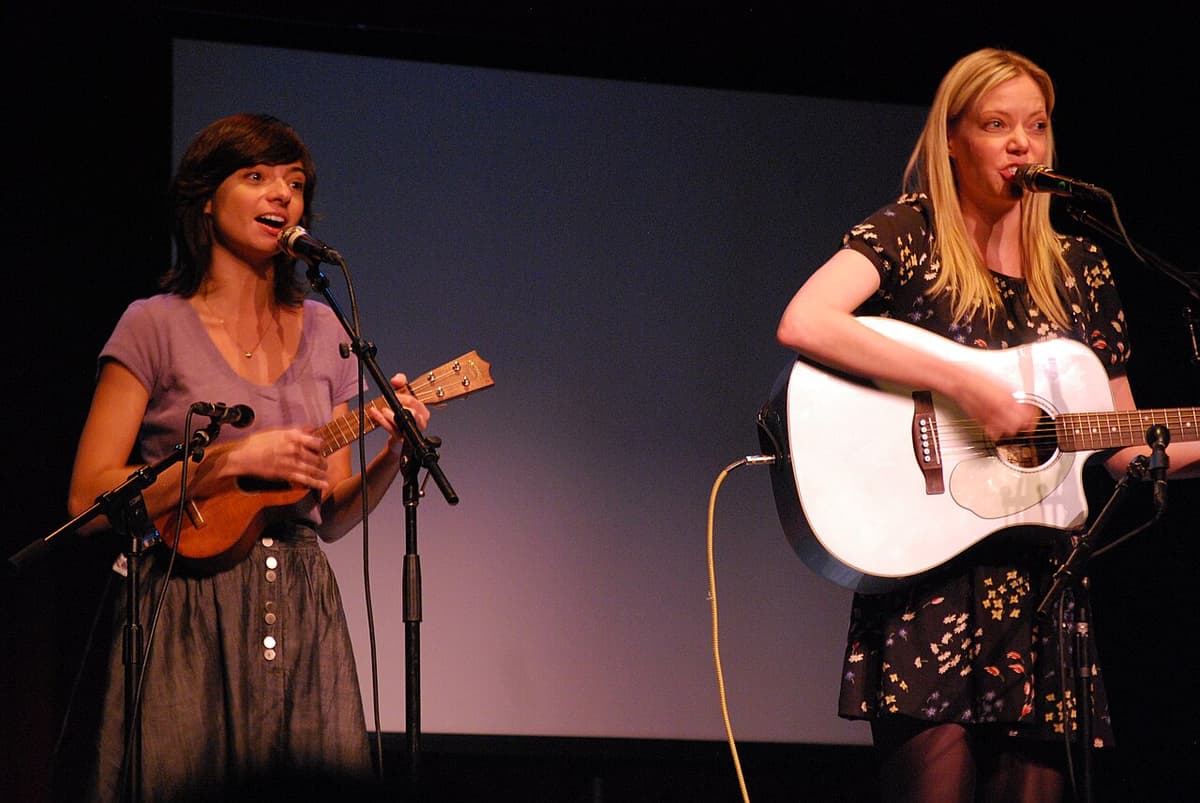
Shares playful, rebellious, bittersweet (moods); basement show, road trip (atmosphere)
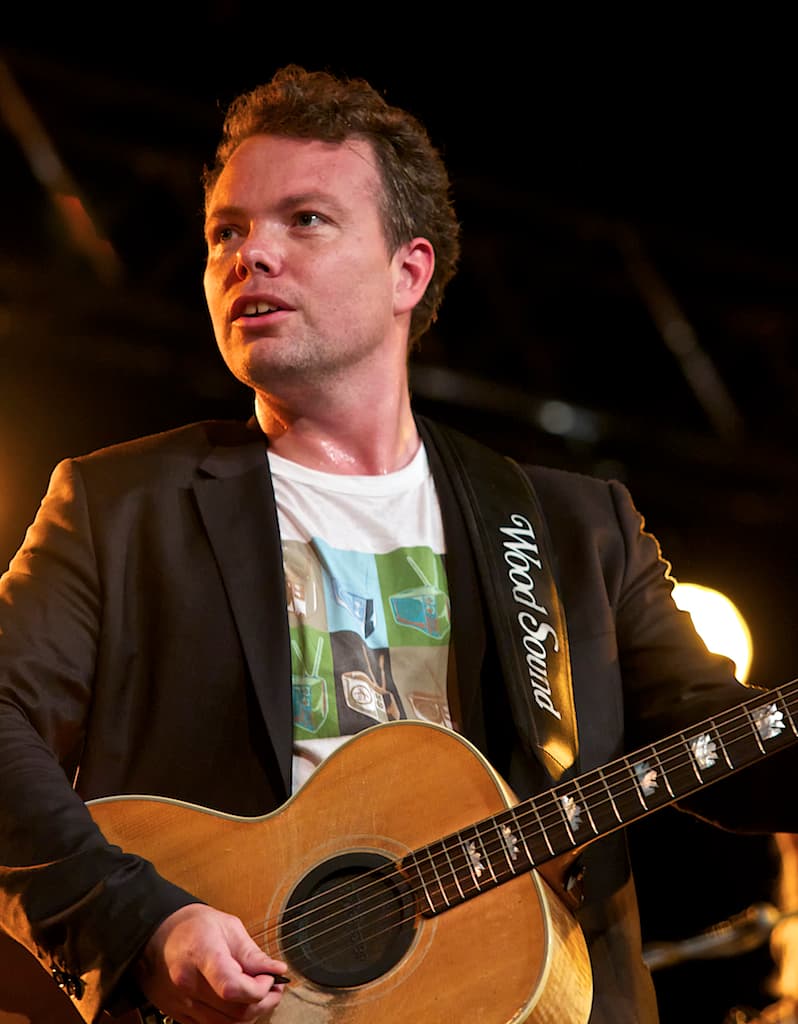
Shares coffee shop, basement show, road trip (atmosphere); harmonized, spoken word, deadpan (vocal style)
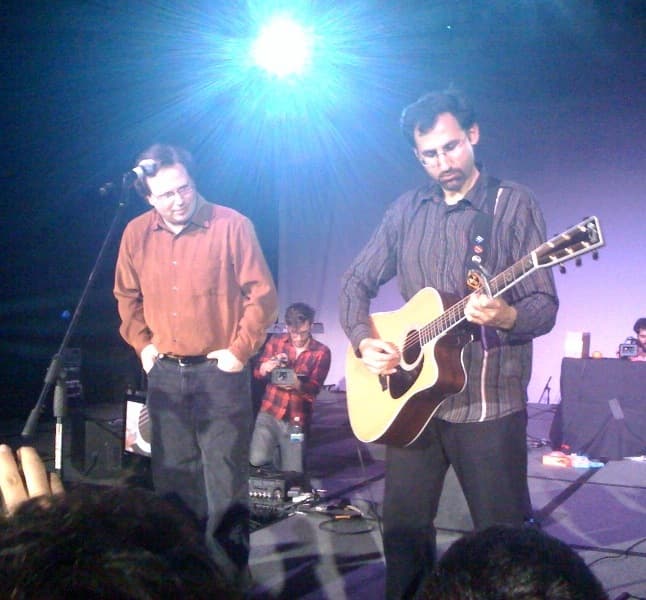
Shares playful, rebellious, bittersweet (moods); lo fi, live recording, stripped back (production style)


Cassette uses generative AI to enrich its catalog. How we use AI →