Tjark is a German multi-instrumentalist and producer who represents the 'Neue Neue Deutsche Welle' (NNDW) movement's evolution into mainstream pop. Emerging as a teenage talent, he transitioned from street busking and classical piano training to self-contained bedroom production.
His sound identity is characterized by a fusion of indie-pop sensibilities with electronic subgenres like trance and house, often utilizing high-tempo drum machines and lush, atmospheric synth pads. Culturally, he occupies a space similar to artists like Provinz or Southstar, appealing to a youth demographic that values authenticity and emotional transparency. His career arc shows a rapid professionalization from early 2000s-influenced EPs to polished 2024 full-lengths. Critical consensus highlights his ability to write 'generation-defining' lyrics that tackle identity and nostalgia without sacrificing danceability. His work is technically notable for its vocal processing, which maintains a raw, human quality despite being layered over heavy electronic arrangements.

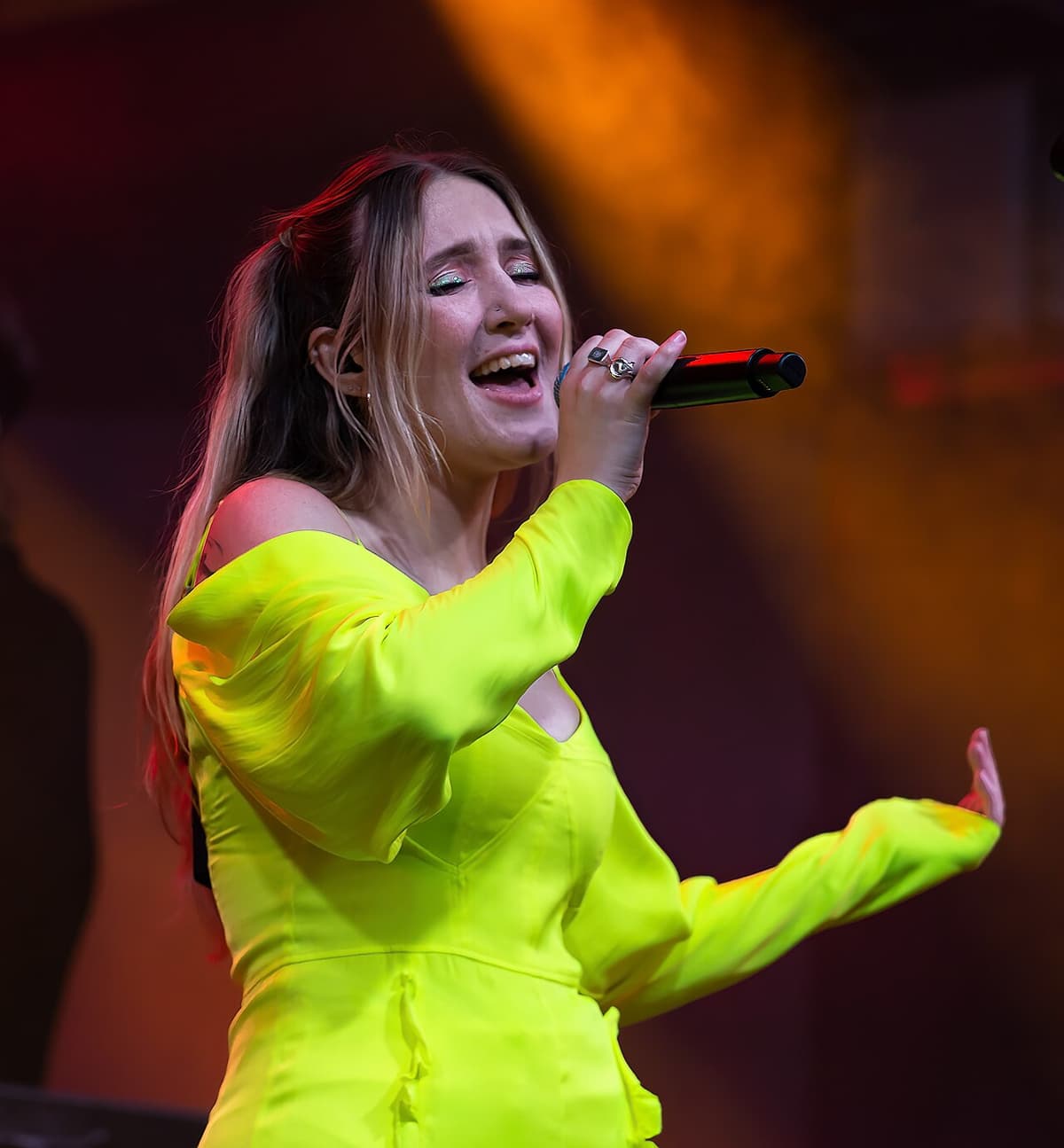
Shares indie pop, synth-pop, dance-pop (subgenres); breathy, gentle, processed (vocal style)
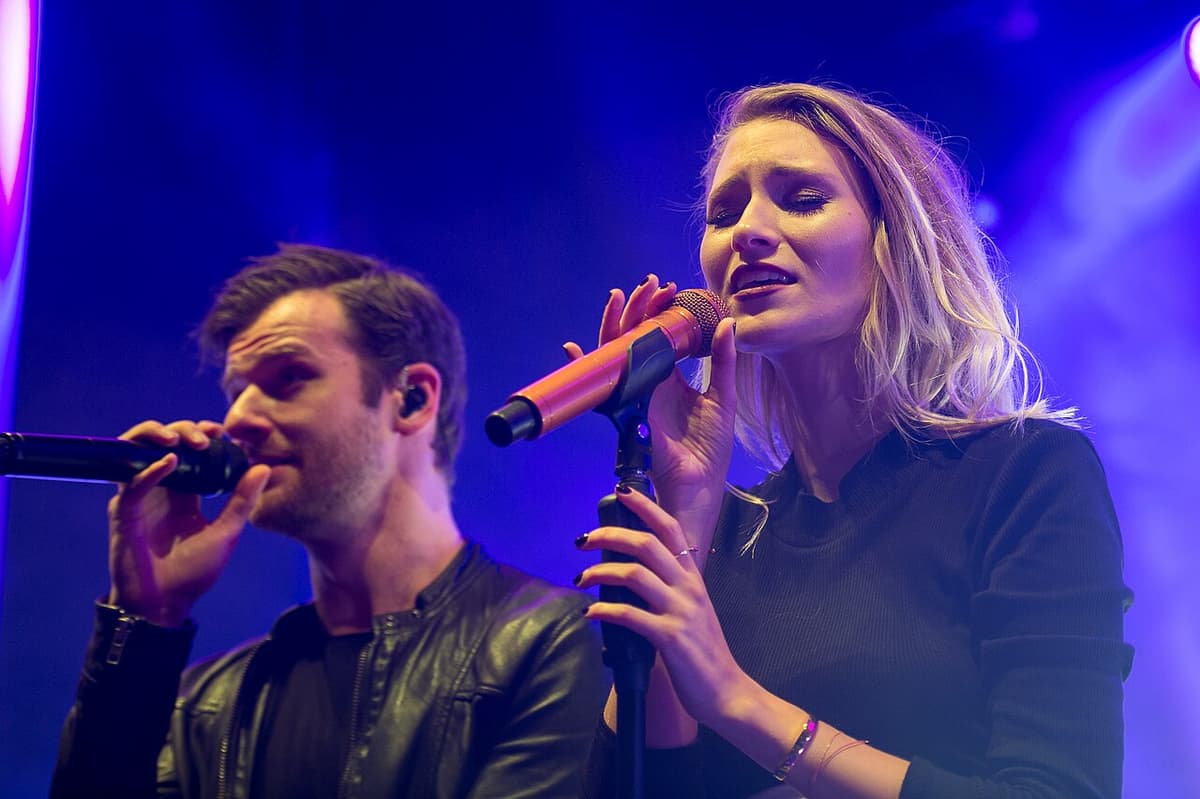
Shares dance-pop, indie pop, house (subgenres); bedroom_production, digital_clarity, drum_machine (production style)
Shares nostalgic, euphoric, vulnerable (moods); indie pop, dance-pop, house (subgenres)
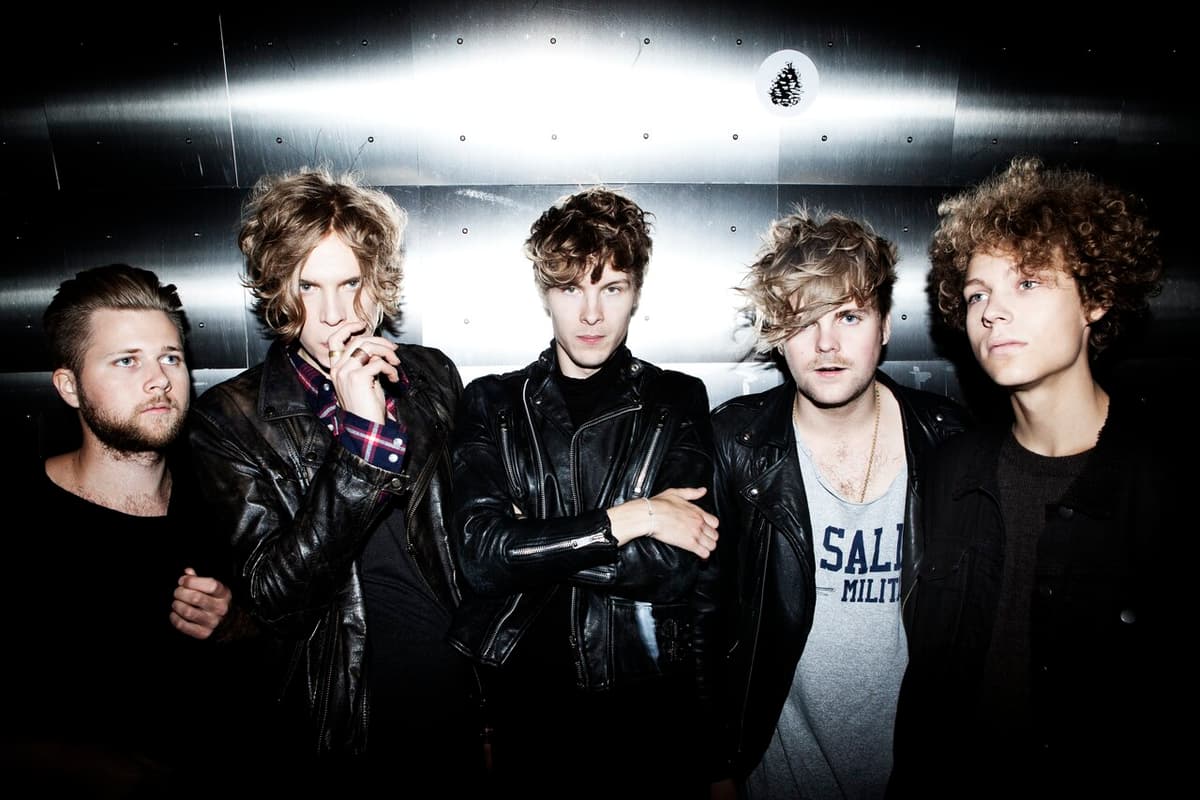
Shares indie pop, dance-pop, synth-pop (subgenres); bedroom_production, digital_clarity, layered_dense (production style)
Shares indie pop, synth-pop, house (subgenres); breathy, gentle, processed (vocal style)
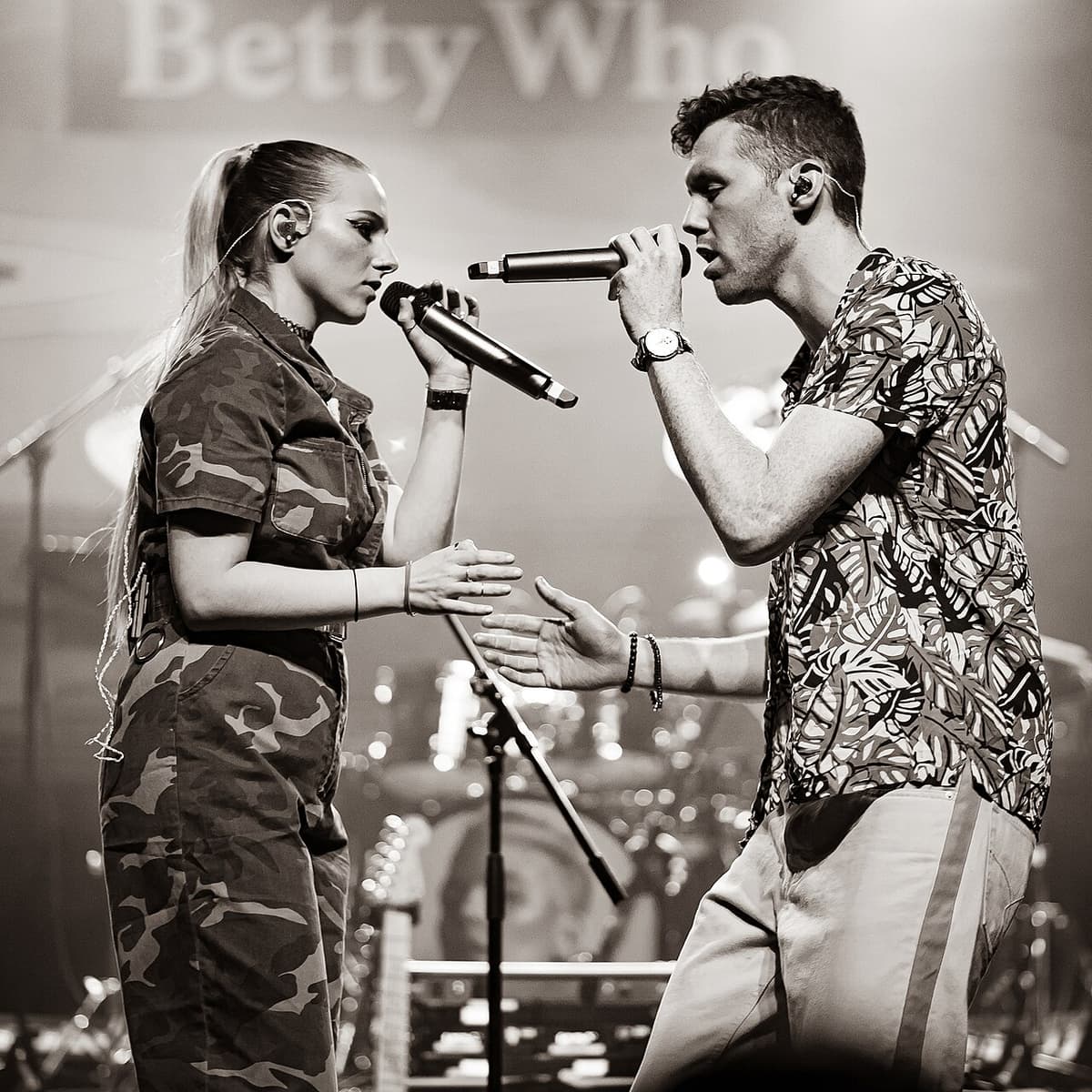
Shares digital_clarity, layered_dense, drum_machine (production style); indie pop, dance-pop (subgenres)
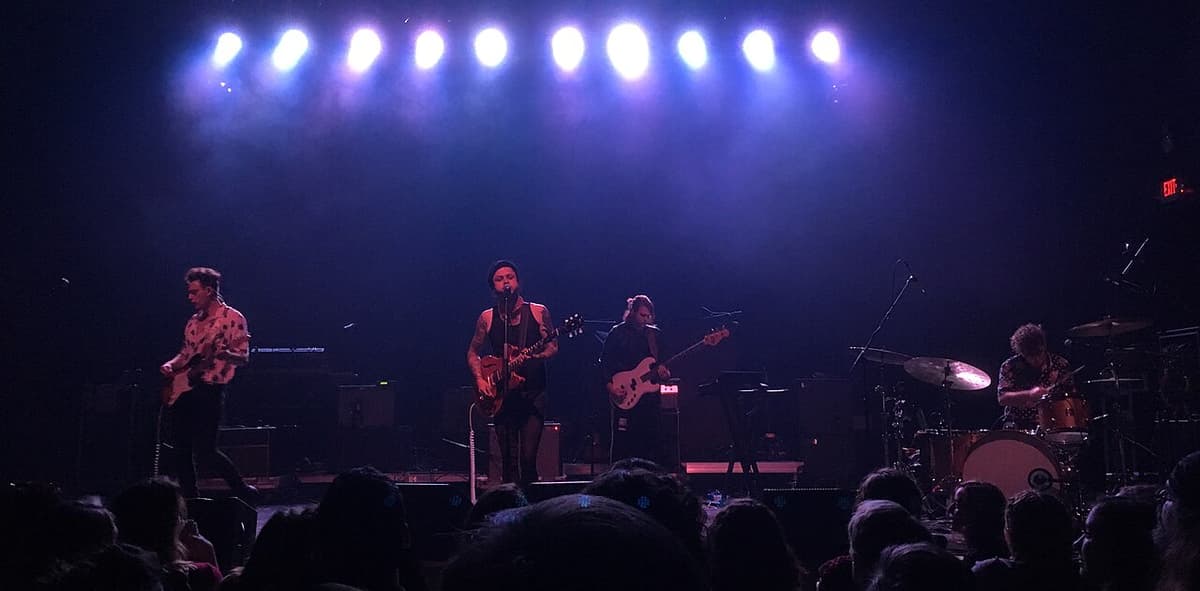
Shares euphoric, nostalgic, hopeful (moods); breathy, gentle, processed (vocal style)
Shares dance-pop, bedroom_production, synth-pop, indie pop (subgenre)
Cassette uses generative AI to enrich its catalog. How we use AI →