TWRP
Interstellar funk and synth-pop driven by virtuosic slap bass and talkbox vocals. High-energy, neon-soaked grooves for late nights and retro-future adventures.
Interstellar funk and synth-pop driven by virtuosic slap bass and talkbox vocals. High-energy, neon-soaked grooves for late nights and retro-future adventures.
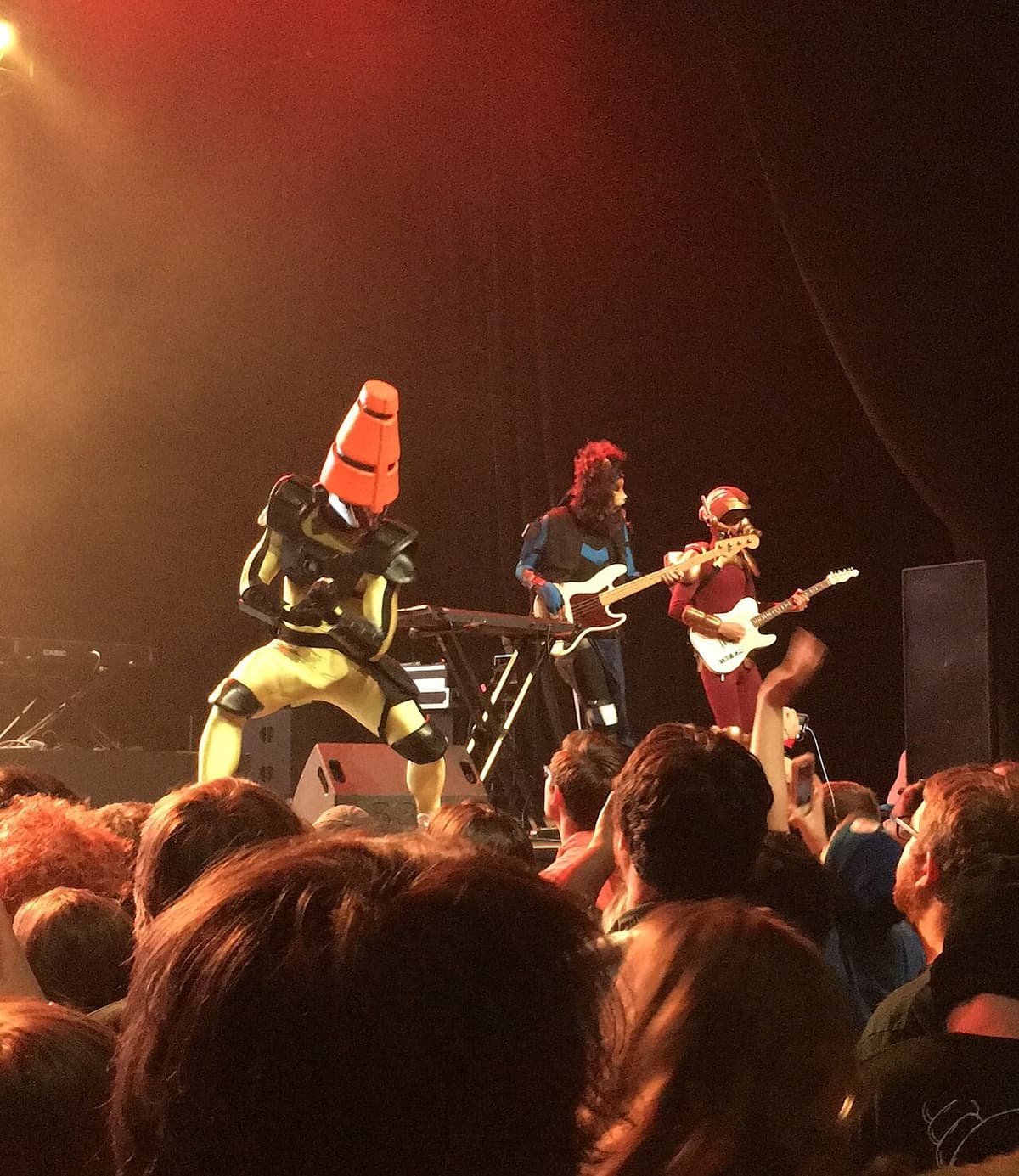
TWRP sounds like the best Saturday morning cartoon theme song ever written, stretched out into a full-length interstellar dance party. It is a neon-drenched collision of 1980s synth-pop, heavy funk, and progressive rock precision. The music is relentlessly optimistic, characterized by shimmering FM synthesis, crisp digital production, and a rhythm section that feels both superhuman and deeply soulful.
What truly sets them apart is the commitment to their 'space-traveling' personas and the ubiquitous use of the talkbox. While many synthwave acts lean into moody, cinematic textures, TWRP prioritizes the 'groove' above all else. The interplay between Commander Meouch's aggressive, technical slap bass and Doctor Sung's robotic yet emotive talkbox melodies creates a sound that is technically demanding but emotionally accessible.
Start with 'Digital Nightmare' for their most polished modern sound, or dive into 'Guardians of the Zone' to experience the core of their high-concept, high-energy funk. It is music designed to make you move, whether you are in a gym, a car, or a spaceship.
TWRP (disemvoweling of twerp), formerly known as Tupper Ware Remix Party, is a Canadian rock band originally from Halifax, Nova Scotia. Founded in 2007, the band moved to Toronto in 2011 with a change in members and musical direction. Their current lineup consists of keyboardist and vocalist Doctor Sung, guitarist Lord Phobos, bassist Commander Meouch, and drummer Havve Hogan. The band always performs in full costume, with their faces and real names unknown; they also have a fictional band history, involving Doctor Sung finding his bandmates through space and time. TWRP released their first album, Poised to Dominate, in 2010. It was followed by Together Through Time (2018), Return to Wherever (2019), Over the Top (2020), New & Improved (2021), Digital Nightmare (2024), and The Longest Weekend (2025). They have also released six EPs including The Device (2012) and Ladyworld (2017). They are also known for their collaborations with Ninja Sex Party, having become their opening act and backing band in 2015 on both live performances and studio releases, starting with the album Under the Covers. They are also the backing band on The TryForce, the third album of Starbomb, another band featuring the members of Ninja Sex Party. On 17 September 2018, TWRP appeared on Conan as the backing band for Ninja Sex Party, in a clean version of "Danny Don't You Know".
Shares joyful, energetic, playful (moods); funk, synth-pop, disco (subgenres)
Shares hi fi, digital clarity, maximalist (production style); joyful, energetic, playful (moods)
Shares joyful, energetic, playful (moods); synth-pop, funk, disco (subgenres)
Shares joyful, energetic, playful (moods); synthwave, disco, funk (subgenres)
Shares joyful, energetic, playful (moods); hi fi, digital clarity, maximalist (production style)
Shares playful, energetic, nostalgic (moods); digital clarity, maximalist, studio polished (production style)
Shares joyful, energetic, playful (moods); synth-pop, disco, funk (subgenres)
Shares joyful, confident, playful (moods); hi fi, digital clarity, maximalist (production style)
Shares synthwave, disco, funk, joyful (subgenre)
Cassette uses generative AI to enrich its catalog. How we use AI →