Моральный Кодекс
Slick, urban rock with a jazz-inflected pulse and a deep baritone croon. Sophisticated late-night music for city dwellers and old souls.
Slick, urban rock with a jazz-inflected pulse and a deep baritone croon. Sophisticated late-night music for city dwellers and old souls.
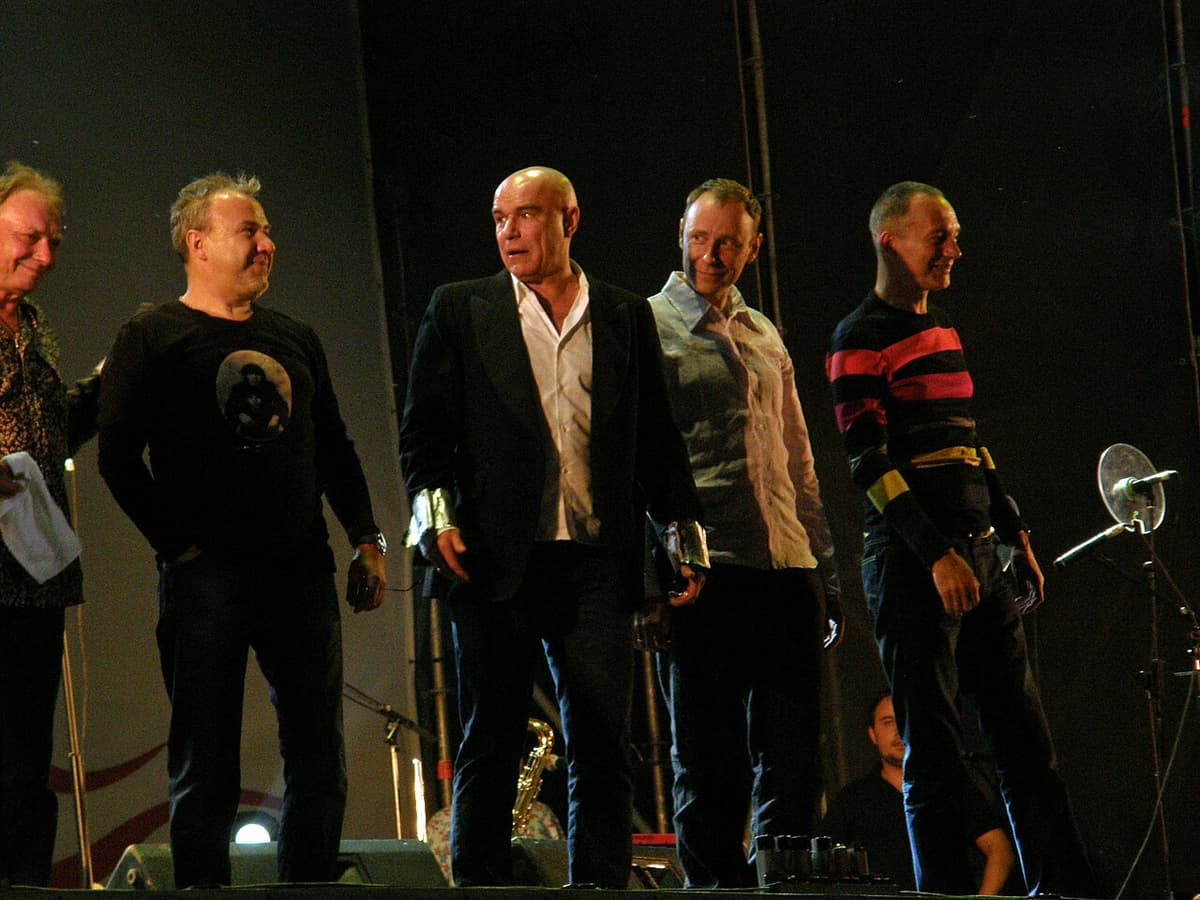
Moralny Kodex sounds like the intersection of a smoky jazz club and a high-end recording studio in the early nineties. It is music that carries a distinct weight of maturity; it never rushes, never shouts, and never tries too hard to impress. The foundation is built on rock, but the architecture is purely sophisticated pop, decorated with tasteful saxophone flourishes and tight, funk-adjacent basslines that give the tracks a rhythmic bounce.
What truly sets them apart is the juxtaposition of Sergey Mazaev's smooth, authoritative baritone against the band's 'big beat' sensibilities. While their contemporaries in the Russian rock scene often leaned into raw, protest-heavy aesthetics, Moralny Kodex opted for a polished, almost cinematic sound that felt international and timeless. There is a cool irony in their delivery, a sense of being above the fray while still deeply connected to the urban melancholy of post-Soviet life.
Start with the album 'Ya vybirayu tebya' for the quintessential experience of their melodic peak. It captures the band at their most cohesive, blending romanticism with a sharp, professional edge that remains one of the most unique sounds in Eastern European rock history.
"Moral Code X" or "Moralny Kodex" (Russian: Моральный кодекс) is a Russian rock band founded in 1989 by Moscow producer and poet Pavel Zhagun and saxophonist Sergey Mazayev to play reactive big beat. The debut album by Moralny Kodex was called Sotryasenie Mozga (Russian for brain concussion). In the early 1990s, Moralny Kodex was recognized as the most promising and popular rock band in Russia but their second album Gibkij Stan (here Slender Body) wasn't very successful. Some in-band disagreements appeared after this release, due to frontman Sergey Mazayev's problems with alcohol. The band temporarily left the Russian mainstream scene. Their third album was entitled I Choose You. In 1997 Moralny Kodex started recording their fourth album, Good News, which was finally released in 2000. In 2004 drummer Yuriy Kistenev left the band, and Mazaev invited new drummer Zack Sullivan from New York City. After a while the band made some new recordings. In February 2014, released sixth studio album, Winter.

Shares studio polished, analog warmth, hi fi (production style); crooning, raspy, baritone (vocal style)

Shares studio polished, analog warmth, hi fi (production style); confident, nostalgic, romantic (moods)
Shares studio polished, analog warmth, hi fi (production style); pop rock, art rock, new wave (subgenres)
Shares pop rock, blues rock, art rock (subgenres); studio polished, analog warmth, hi fi (production style)
Shares studio polished, analog warmth, hi fi (production style); baritone, crooning, raspy (vocal style)
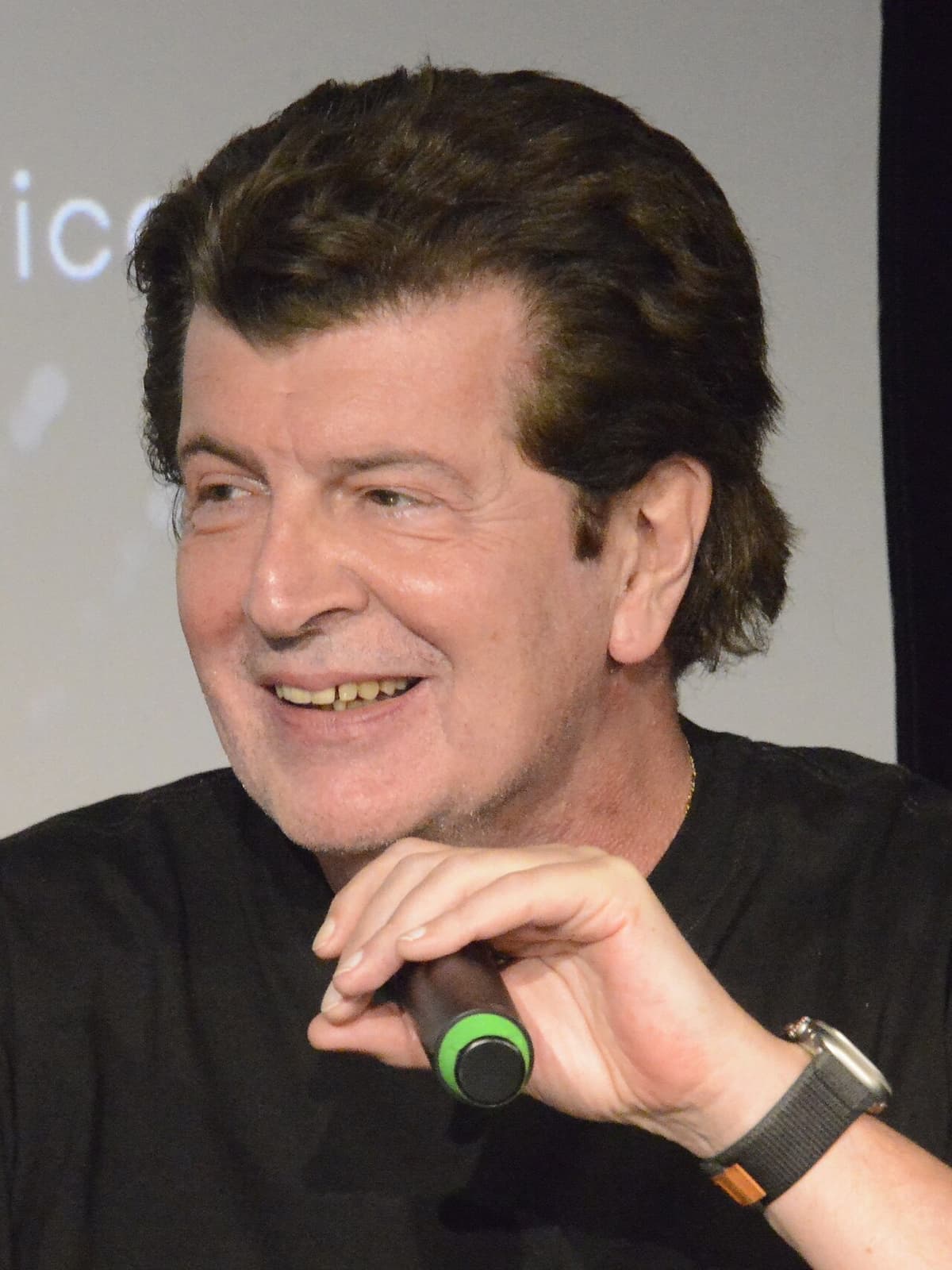
Shares pop rock, blues rock, new wave (subgenres); studio polished, analog warmth, hi fi (production style)
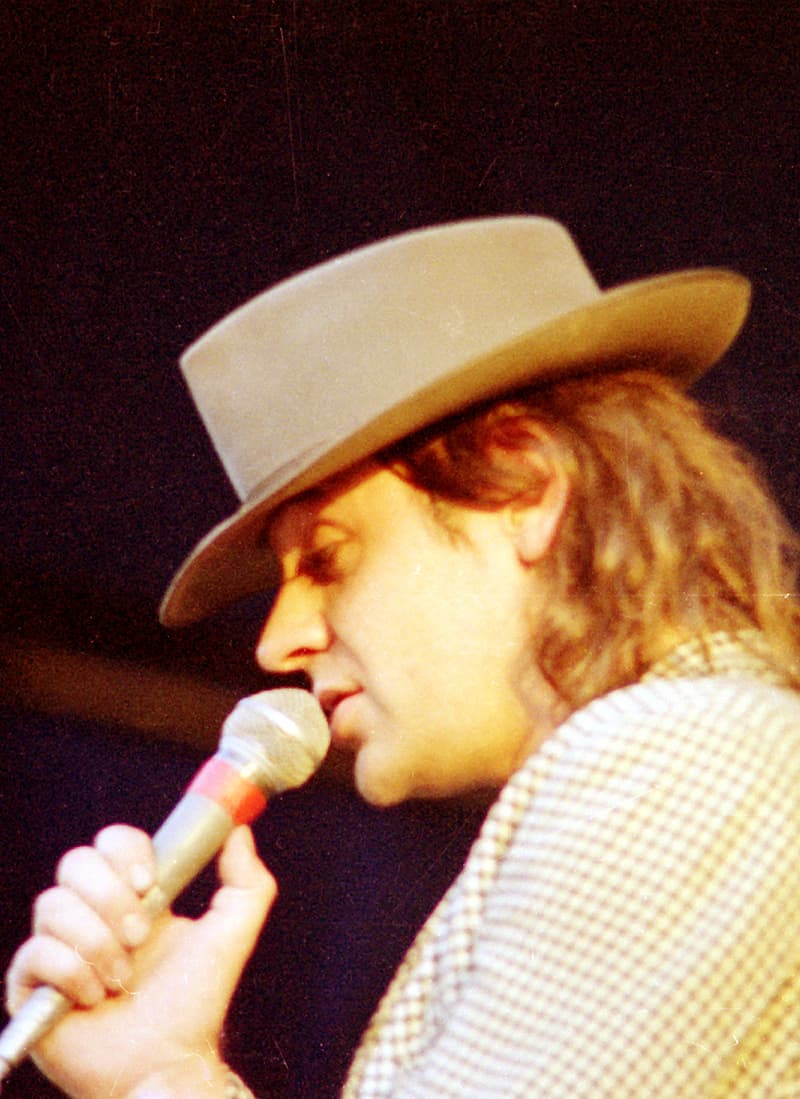
Shares pop rock, jazz fusion, blues rock (subgenres); urban night, dive bar, late night (atmosphere)
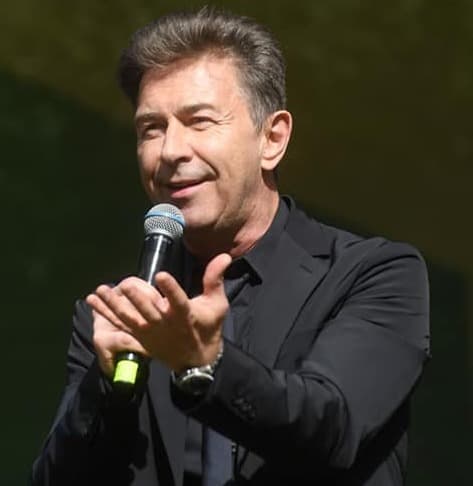
Shares studio polished, analog warmth, hi fi (production style); pop rock, jazz fusion, new wave (subgenres)
Shares baritone, romantic, hi fi, raspy (signature)
Shares baritone, new wave, romantic, crooning (signature)
Cassette uses generative AI to enrich its catalog. How we use AI →