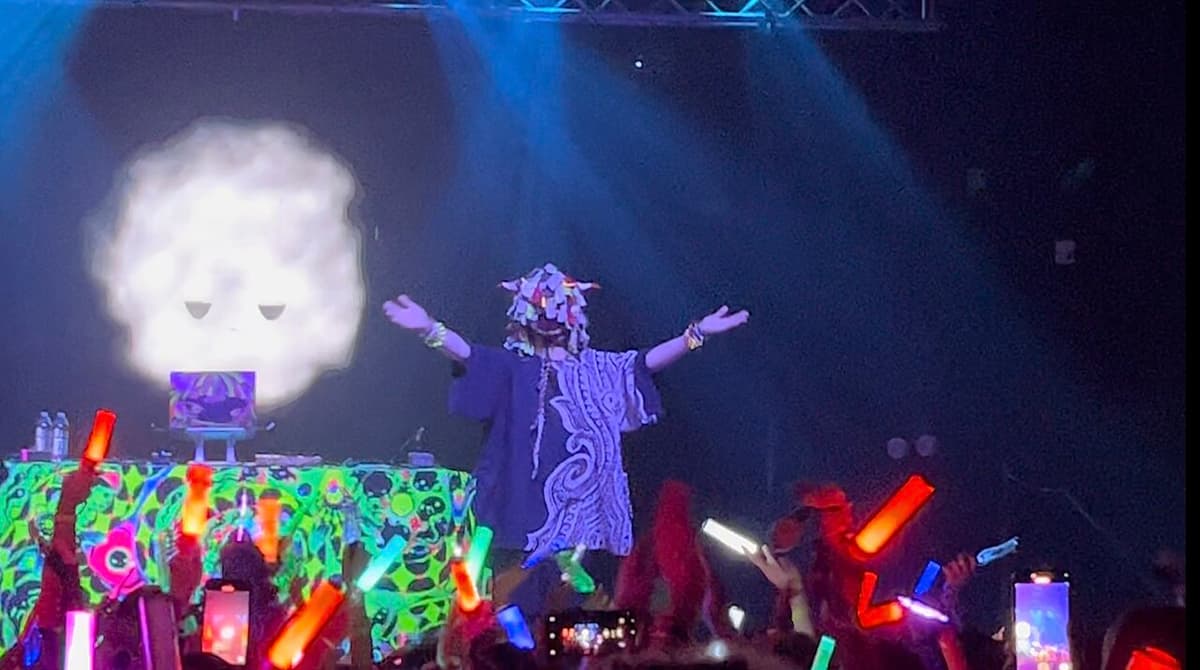
きくお
Dizzying, maximalist electronic pop that pairs sugary Vocaloid melodies with dark, surrealist soundscapes. A kaleidoscopic journey through digital nightmares.
Dizzying, maximalist electronic pop that pairs sugary Vocaloid melodies with dark, surrealist soundscapes. A kaleidoscopic journey through digital nightmares.
Kikuo creates a sound that is simultaneously adorable and terrifying, like a haunted toy box exploding in slow motion. The music is characterized by incredibly dense arrangements, featuring thousands of tiny, meticulously placed sounds - from traditional accordions and bells to the crunching of fruit and the clatter of machinery. It is a sensory overload that feels both chaotic and perfectly ordered.
What truly sets Kikuo apart is the 'Kikuo-esque' juxtaposition: upbeat, danceable rhythms and shimmering, high-speed production paired with lyrics that delve into deep psychological trauma, existential dread, and the macabre. He uses Hatsune Miku not just as a singer, but as a flexible instrument, stretching her voice into ethereal choirs or manic, staccato bursts that weave through his complex polyrhythms.
For those new to his world, 'Kikuo Miku 3' is the essential starting point. It captures the peak of his dark-pop sensibility, featuring tracks that have become cultural touchstones in the Vocaloid community. It is music for people who want to dance while they contemplate the void.
Kikuo (Japanese: きくお) is a Japanese songwriter and Vocaloid producer. As an independent artist, he produces the lyrics and music for each of his songs under his own record label, "Kikuo Sound Works," often with vocals provided by popular Crypton Future Media voicebank, Hatsune Miku. His unique style of music production is characterized by detailed, high-tempo sound design, with several overlaying instruments and effects to create colorful and upbeat harmonies, often juxtaposed by unsettling lyrics. Additionally, Kikuo is best known for his song, "Love Me, Love Me, Love Me" (愛して愛して愛して, Aishite Aishite Aishite) which surpassed 100 million streams on Spotify in January 2023 and 110 million views on YouTube in July 2025, the first Hatsune Miku song to achieve this feat. Kikuo is also known for his songs "You're a Useless Child" and "I'm Sorry, I'm Sorry".
Shares art pop, glitch, darkwave (subgenres); haunting, playful, melancholic (moods)
Shares art pop, chamber pop (subgenres); haunting, playful, melancholic (moods)
Shares art pop, glitch, darkwave (subgenres); maximalist, layered dense, noise textured (production style)
Shares maximalist, layered dense, noise textured (production style); glitch, art pop (subgenres)
Shares art pop, glitch (subgenres); maximalist, digital clarity, layered dense (production style)
Shares glitch, art pop (subgenres); digital clarity, maximalist, layered dense (production style)
Shares art pop, glitch (subgenres); maximalist, digital clarity, layered dense (production style)
Shares art pop, glitch, chamber pop (subgenres); haunting, melancholic (moods)
Shares maximalist, layered dense, noise textured (production style); processed, ethereal, vocal layering (vocal style)
Shares art pop, glitch (subgenres); digital clarity, layered dense, maximalist (production style)
Shares voice as instrument, glitch, forest, art pop (signature)
Shares voice as instrument, glitch, art pop, vocal layering (signature)
Cassette uses generative AI to enrich its catalog. How we use AI →


