Naomi Tamura occupies a specific, high-voltage space in the J-pop landscape where pop sensibilities collide with the raw power of hard rock. Her music is defined by an irrepressible sense of forward motion, characterized by driving percussion and bright, distorted guitar riffs that feel tailor-made for stadium performances. There is a shimmering, expansive quality to her 90s output that captures the optimism and technical polish of that era's Japanese recording industry.
What truly distinguishes Tamura is her vocal instrument. Unlike many of her contemporaries who favored a more delicate or 'kawaii' delivery, Tamura possesses a muscular, high-register belt that can cut through dense arrangements without losing its melodic core. Her history as the frontwoman for the rock band Pearl informs her solo work, lending it a rhythmic weight and a sense of 'live' energy that sets her apart from purely electronic-based pop acts.
For those looking to dive in, her 1994 album Excellent is the definitive starting point. It captures her at the height of her commercial powers, featuring the iconic anthems that defined the sound of 90s fantasy anime. It is music for moments that require bravery, scale, and a touch of nostalgic magic.
Naomi Tamura (田村 直美, Tamura Naomi) (born December 11, 1963) is a Japanese pop singer and songwriter who made her solo debut in 1994 with the song Jiyuu no Hashi. She is best known for singing theme songs for popular anime series such as Yuzurenai Negai and Hikari to Kage wo Dakishimeta Mama for Magic Knight Rayearth and Yuragu Koto Nai Ai for Get Backers. She is currently under contract with the recording label Airy Music Japan.


Shares alternative rock, pop rock, hard rock (subgenres); studio polished, analog warmth, layered dense (production style)
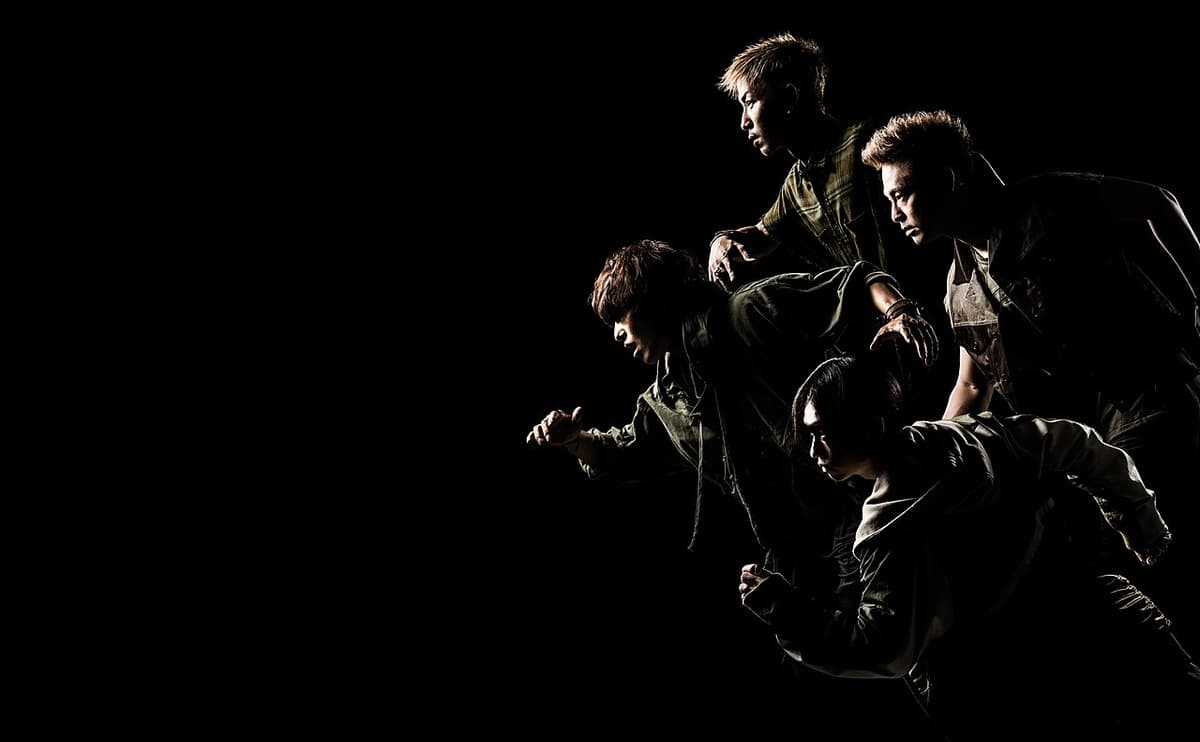

Shares alternative rock, pop rock, acoustic folk (subgenres); belting, intense, soprano (vocal style)
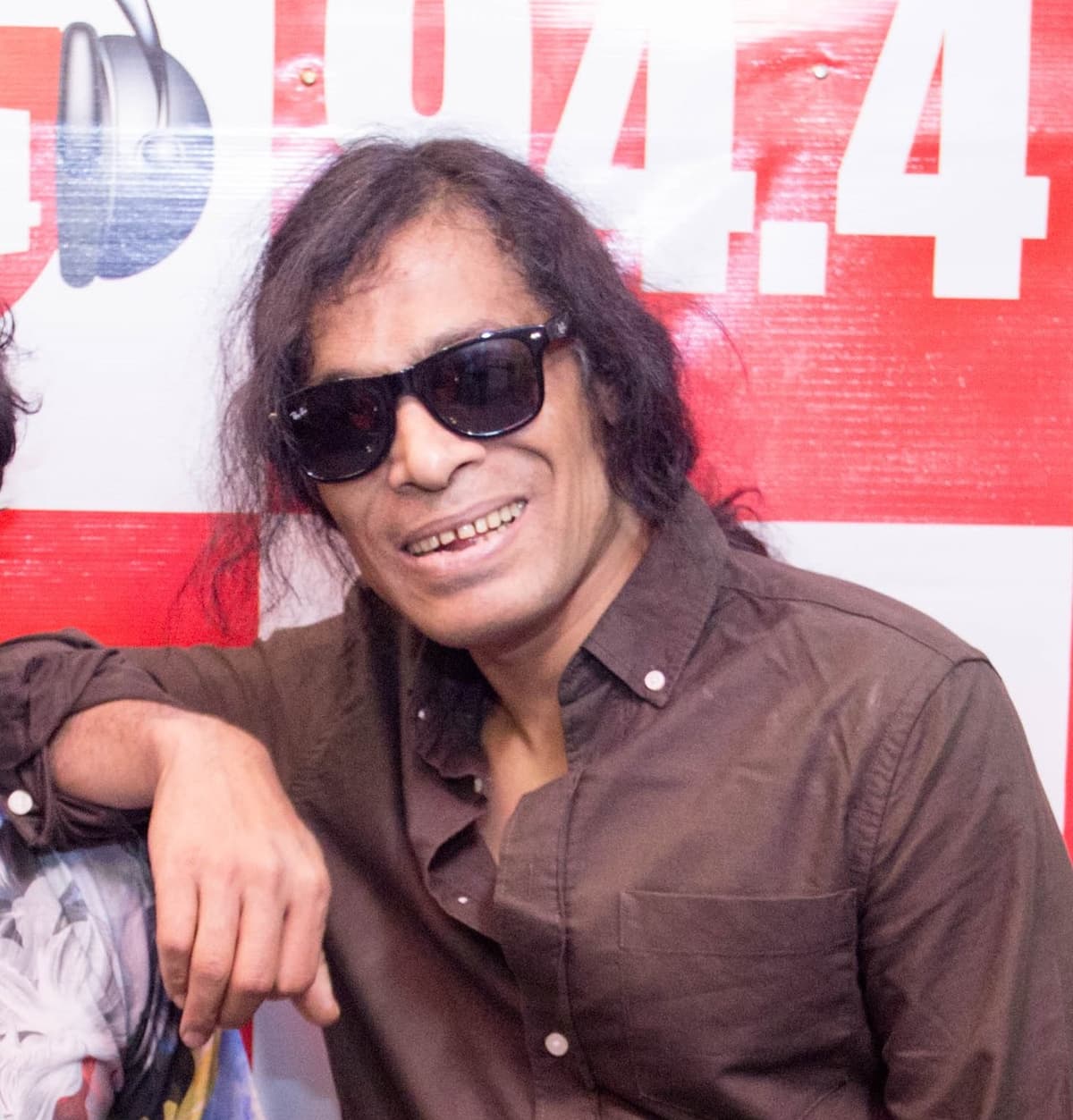
Shares alternative rock, pop rock, hard rock (subgenres); studio polished, maximalist, analog warmth (production style)
Shares triumphant, hopeful, energetic (moods); studio polished, maximalist, layered dense (production style)

Shares pop rock, alternative rock (subgenres); studio polished, maximalist, layered dense (production style)

Shares studio polished, maximalist, layered dense (production style); triumphant, hopeful, energetic (moods)
Shares alternative rock, pop rock, hard rock (subgenres); triumphant, hopeful, energetic (moods)
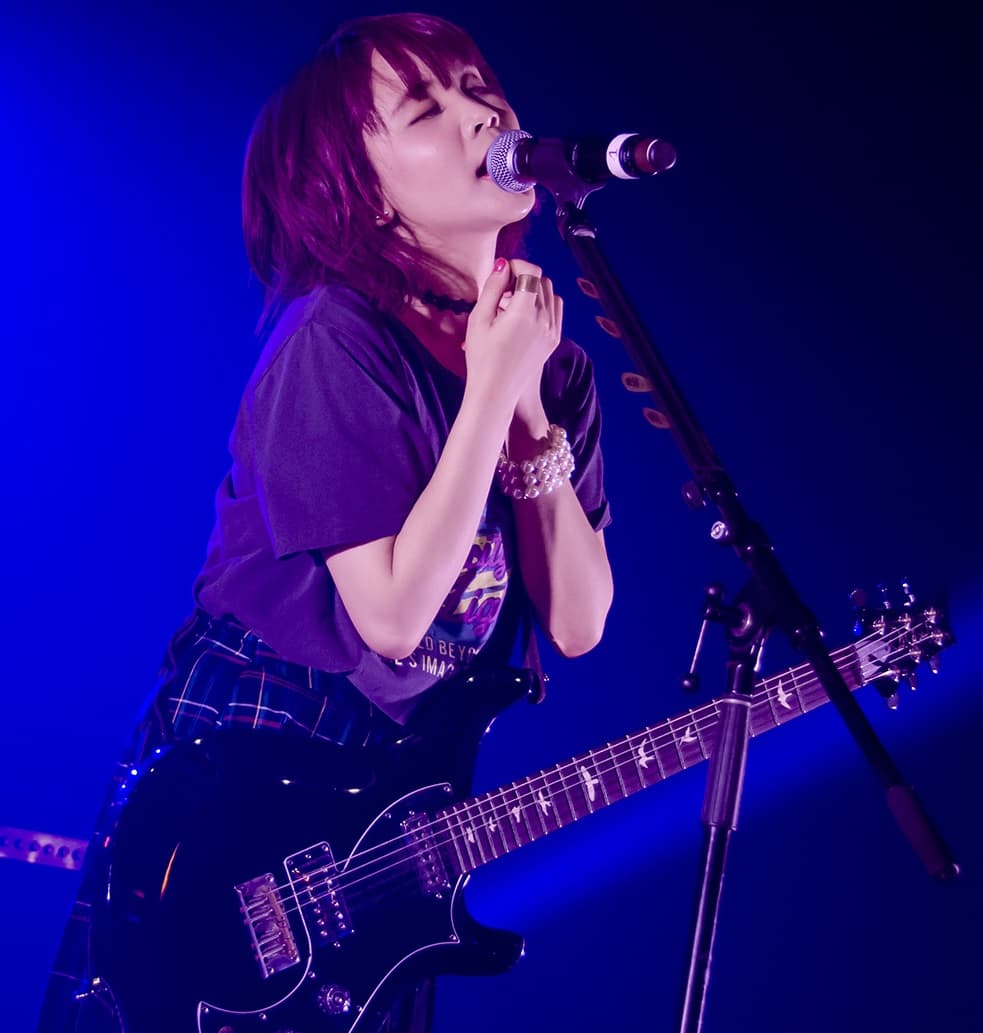

Cassette uses generative AI to enrich its catalog. How we use AI →