Listening to Seiko Matsuda is like stepping into a high-definition memory of a 1980s Japanese summer. Her music is characterized by an incredible brightness, utilizing lush orchestral strings and early digital synthesizers to create a sound that is both sophisticated and deeply accessible. There is a specific warmth to the production that feels like sunlight reflecting off the ocean, anchored by her signature 'burikko' vocal style, which is sweet, slightly nasal, and meticulously emotive.
What truly sets Seiko apart is her ability to embody the 'Idol' ideal while maintaining a high level of musical craftsmanship. Unlike many of her contemporaries, her catalog features contributions from legendary composers like Haruomi Hosono and Takashi Matsumoto, resulting in pop songs that are harmonically rich and structurally perfect. She captures the tension between innocent longing and the polished reality of urban life, making her the definitive voice of the Showa era's peak.
For those looking to dive in, 'Pineapple' or 'Candy' are essential starting points for her classic 80s sound. If you want to hear her more experimental side, 'Citron', produced by David Foster, shows her transition into a more international, adult-oriented pop sound. Regardless of where you start, the experience is one of pure, unadulterated melodic bliss.
Noriko Kamachi (蒲池 法子, Kamachi Noriko; born 10 March 1962), known professionally as Seiko Matsuda (松田 聖子, Matsuda Seiko), is a Japanese singer-songwriter, known for being one of the most popular Japanese idols of the 1980s. Since then, she has continued to release new singles and albums, put on annual summer concert tours, and perform in winter dinner shows. She makes frequent appearances in high-profile TV commercials and movies, and on radio. Her alma mater is Chuo University. Due to her popularity in the 1980s and her long career, she has been dubbed the "Eternal Idol" by the Japanese media. In January 2011, the Japanese music television program Music Station listed her as the 2nd best-selling idol of all time in Japan, with 29,510,000 records sold. She placed behind pop group SMAP and ahead of Akina Nakamori, her biggest rival of the 1980s. Matsuda once held the record of 25 number-one hits for musicians from 1983 to 2000 (broken by B'z) and for female solo artists (broken by Ayumi Hamasaki in 2010). Matsuda was a performer on the finale of Kouhaku (Red White Music Battle) in 2014, 2015 and 2025, the prestigious NHK New Year's Eve Music show on which she has performed 25 times, as of 2025.


Shares joyful, wistful, nostalgic (moods); studio polished, analog warmth, hi fi (production style)

Shares studio polished, orchestral arrangement, analog warmth (production style); traditional pop, synth-pop (subgenres)

Shares traditional pop, synth-pop (subgenres); studio polished, orchestral arrangement, analog warmth (production style)
Shares studio polished, orchestral arrangement, analog warmth (production style); joyful, hopeful, nostalgic (moods)
Shares studio polished, orchestral arrangement, analog warmth (production style); traditional pop, synth-pop (subgenres)

Shares studio polished, hi fi, orchestral arrangement (production style); breathy, gentle (vocal style)
Shares traditional pop (subgenres); studio polished, analog warmth, orchestral arrangement (production style)

Shares studio polished, analog warmth, hi fi (production style); traditional pop (subgenres)
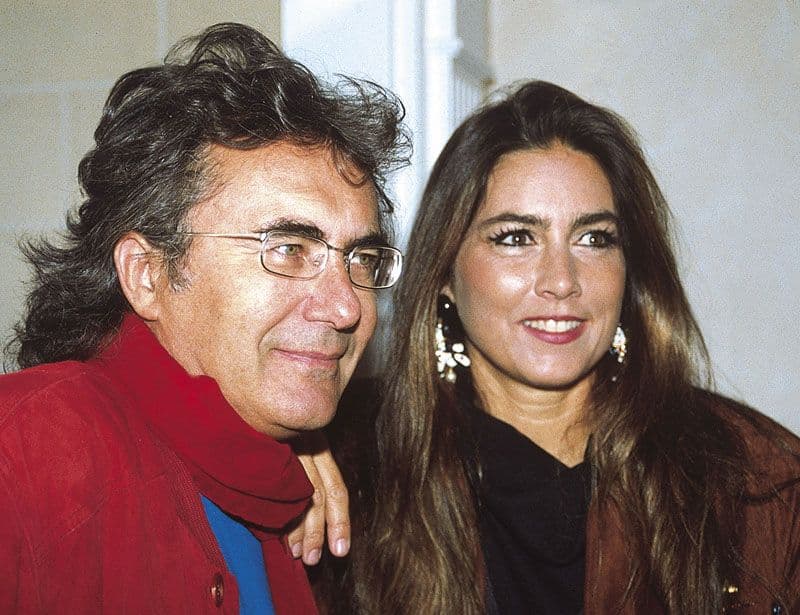
Shares studio polished, orchestral arrangement, analog warmth (production style); joyful, nostalgic, sentimental (moods)
Shares sweet, traditional pop, sentimental, sunday morning (signature)
Cassette uses generative AI to enrich its catalog. How we use AI →