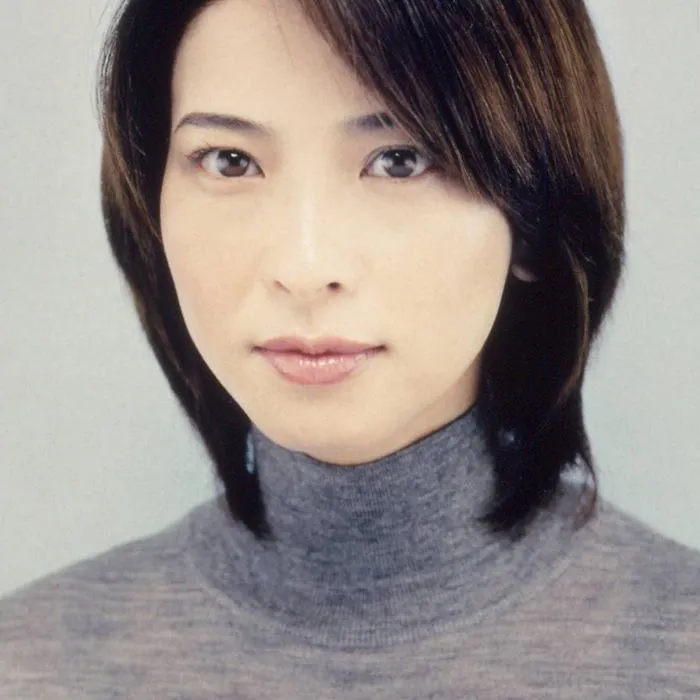
Chisato Moritaka is a pivotal figure in Japanese pop history, bridging the gap between the 1980s 'Idol' era and the self-produced 'J-Pop' explosion of the 1990s. Emerging in 1987, she quickly earned the title of 'Dance Queen,' but distinguished herself through her technical proficiency as a multi-instrumentalist and songwriter.
Her collaboration with composer Hideo Saito resulted in a signature sound that utilized cutting-edge digital synthesis and drum machines, yet was anchored by Moritaka's own live drumming, which received praise from jazz veterans for its unique 'pocket.' Culturally, she is noted for her 'un-idol' lyrical style, which utilized conversational language and mundane topics to dismantle traditional pop tropes. Her influence extends to her visual presentation, where she utilized elaborate, often self-designed costumes that became iconic in Japanese television history. Critically, she is respected for maintaining creative control in a highly manufactured industry, influencing a generation of female artists to pursue self-composition and instrumental mastery.


Shares dance-pop, synth-pop (subgenres); digital_clarity, studio_polished, drum_machine (production style)
Shares synth-pop, dance-pop (subgenres); studio_polished, digital_clarity, drum_machine (production style)


Shares dance-pop, synth-pop (subgenres); studio_polished, digital_clarity, drum_machine (production style)
Shares synth-pop, dance-pop (subgenres); studio_polished, digital_clarity, drum_machine (production style)



Shares playful, energetic, nostalgic (moods); synth-pop, dance-pop (subgenres)
Shares synth-pop, dance-pop (subgenres); studio_polished, digital_clarity, drum_machine (production style)

Cassette uses generative AI to enrich its catalog. How we use AI →