
Колибри
Elegant, theatrical vocal harmonies meeting the moody undercurrents of St. Petersburg art-rock. Sophisticated pop for rainy nights and intellectual daydreams.
Elegant, theatrical vocal harmonies meeting the moody undercurrents of St. Petersburg art-rock. Sophisticated pop for rainy nights and intellectual daydreams.
Kolibri sounds like a secret conversation between four highly educated women in a dimly lit 19th-century salon that somehow has a synthesizer in the corner. Their music is a lush tapestry of vocal harmonies that feel both technically precise and emotionally fragile. It carries the weight of Russian literary tradition but delivers it with the lightness of a cabaret performance, moving between baroque elegance and post-punk tension.
What truly sets them apart is their 'ironic high posturing.' They manage to be incredibly sophisticated and intellectual without ever losing a sense of human vulnerability. The production often features woodwinds, delicate piano, and rhythmic pulses that feel more like a theatrical score than a standard pop song. It is music that demands your attention but rewards it with layers of melodic complexity and poetic depth.
Start with the album 'Najdi 10 otlichiy' (Find 10 Differences). It is the perfect distillation of their mid-90s peak, showcasing their ability to blend catchy, avant-pop hooks with the dark, decadent atmosphere of the St. Petersburg underground. It feels like a bridge between the experimentalism of the Soviet collapse and the refined art-pop of the modern era.
Kolibri is a Soviet and Russian experimental pop/rock group formed in 1988 in Saint-Petersburg playing an eclectic brand of baroque pop blended with elements of post-punk, cabaret, chanson and dominated by vocal harmony. In their heyday Kolibri, according to rock historian Andrey Burlaka, combined ironic high posturing with touchingly humane attitude, writing and performing songs that were described variously as exquisite, depressive, extravagant, romantic, naive, sophisticated and decadent. The band released six studio albums which were well received by critics both in Europe and in Russia but never had any commercial success. Natasha Pivovarova, Kolibri's founding member, left in 1998 to form her own band Sous (The Sauce). She died in a car crash in Crimea, Ukraine, in September 2007.
Shares orchestral arrangement, studio polished, analog warmth (production style); art pop, baroque pop, chamber pop (subgenres)
Shares orchestral arrangement, studio polished, analog warmth (production style); art pop, baroque pop, chamber pop (subgenres)

Shares wistful, playful, melancholic (moods); orchestral arrangement, studio polished, analog warmth (production style)
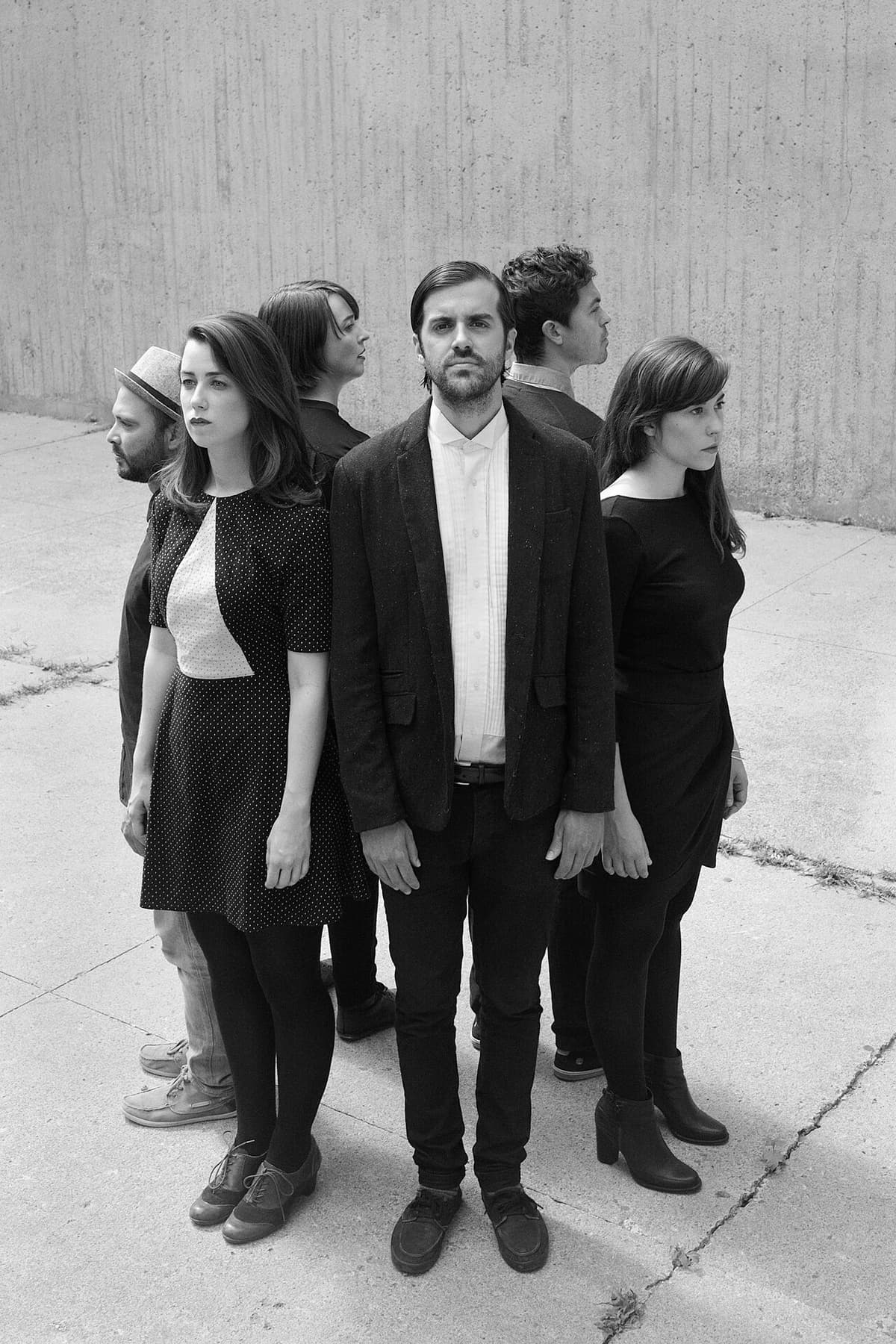
Shares orchestral arrangement, studio polished, analog warmth (production style); art pop, baroque pop, chamber pop (subgenres)
Shares orchestral arrangement, studio polished, analog warmth (production style); art pop, baroque pop, chamber pop (subgenres)

Shares orchestral arrangement, studio polished, analog warmth (production style); art pop, baroque pop, chamber pop (subgenres)
Shares orchestral arrangement, studio polished, analog warmth (production style); art pop, baroque pop, chamber pop (subgenres)
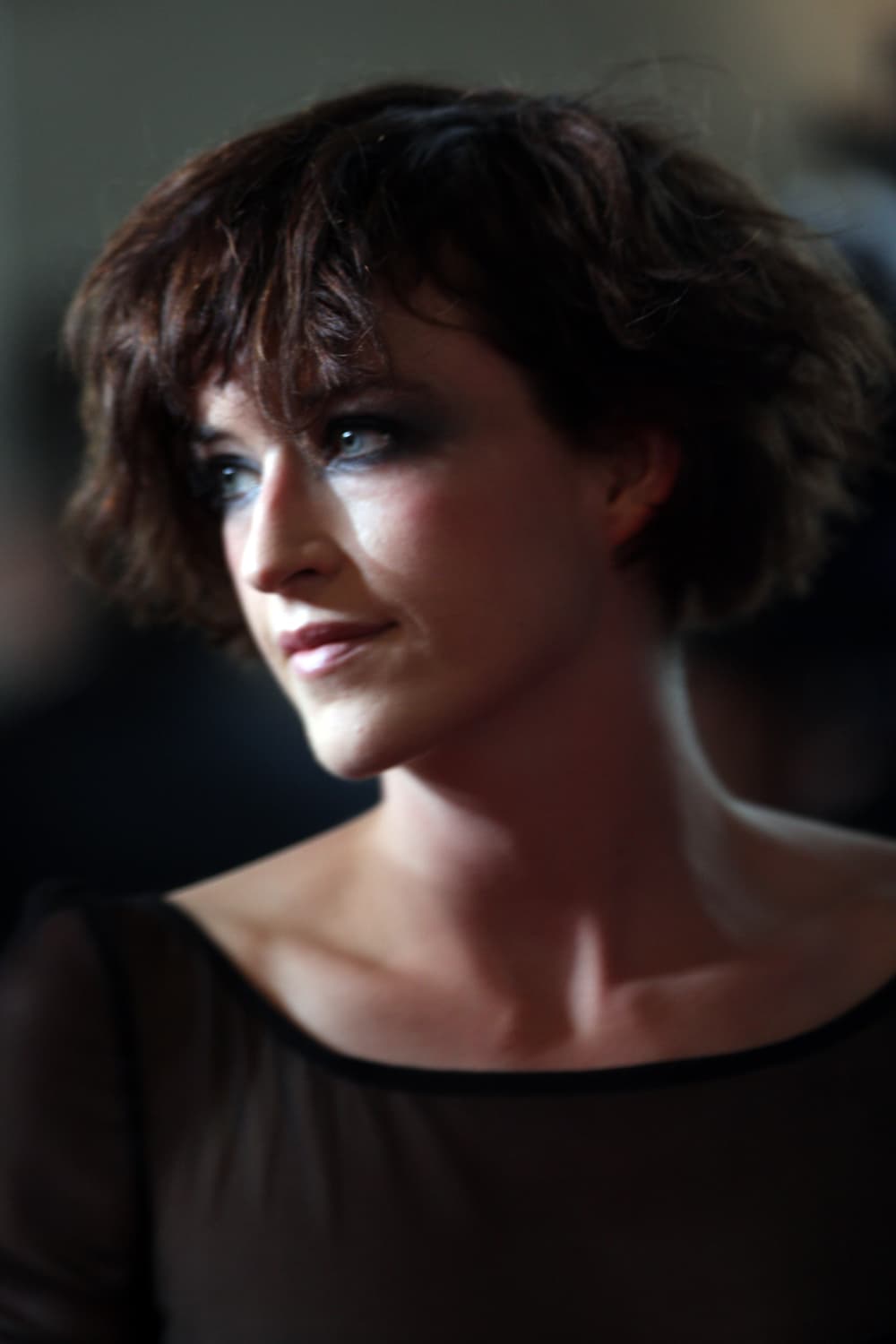
Shares orchestral arrangement, studio polished, analog warmth (production style); urban night, rainy day, candlelit (atmosphere)
Shares orchestral arrangement, studio polished, analog warmth (production style); art pop, baroque pop, chamber pop (subgenres)

Shares orchestral arrangement, studio polished, analog warmth (production style); art pop, baroque pop, chamber pop (subgenres)
Shares baroque pop, library, harmonized, art pop (signature)
Shares baroque pop, flute, library, harmonized (signature)
Cassette uses generative AI to enrich its catalog. How we use AI →


