Гарик Сукачёв
Gravel-voiced rock and roll with a theatrical, soulful heart. It sounds like urban folklore told over a bottle of vodka in a rain-soaked courtyard.
Gravel-voiced rock and roll with a theatrical, soulful heart. It sounds like urban folklore told over a bottle of vodka in a rain-soaked courtyard.
Garik Sukachev sounds like the soul of a city that has seen too much. His music is a gritty, high-energy collision of blues, folk-punk, and traditional Russian romance, all anchored by a voice that sounds like it was cured in tobacco and aged in oak. There is a profound sense of theatricality here, where every song feels like a scene from a cinematic drama about life on the outskirts.
What makes him truly distinctive is his ability to pivot from aggressive, brass-heavy rock anthems to heartbreakingly tender ballads without losing an ounce of authenticity. He captures the 'courtyard' aesthetic of the late Soviet and early post-Soviet era, blending the rebellious spirit of rock with the melodic sensibilities of urban folk. His performances are famously volcanic, characterized by a raw, almost desperate emotional honesty.
Start with 'Pesni s okrainy' to understand his mastery of atmosphere and storytelling. It is the perfect entry point for those who appreciate the rough-edged poeticism of artists like Tom Waits but want to hear it through a distinctly Slavic lens. It is music for the weary, the romantic, and the unyielding.
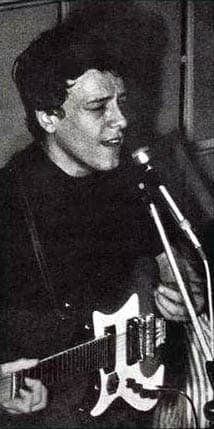
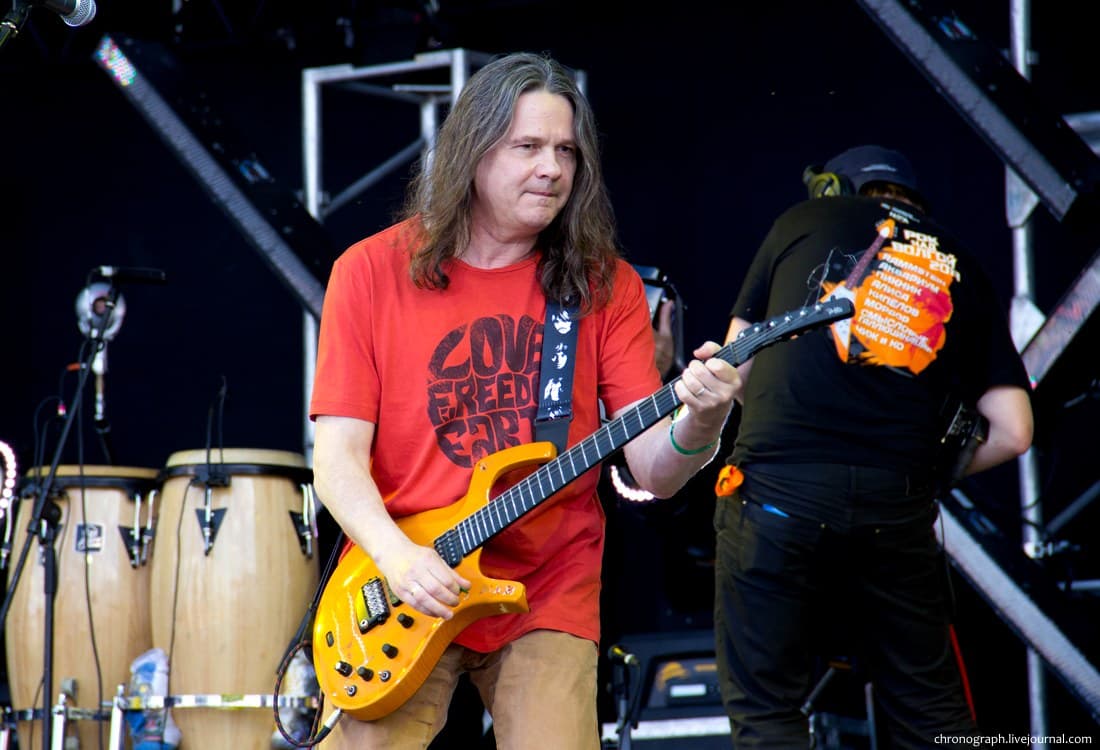
Igor Ivanovich "Garik" Sukachov (Russian: И́горь Ива́нович (Га́рик) Сукачё́в; 1 December 1959) is a Russian musician, singer-songwriter, poet, actor, film director and TV presenter.
Shares dive bar, urban night, basement show (atmosphere); defiant, nostalgic, soulful (moods)
Shares blues rock, folk rock, classic rock (subgenres); analog warmth, live recording (production style)

Shares analog warmth, live recording, hand played (production style); folk rock, classic rock (subgenres)
Shares folk rock, blues rock, classic rock (subgenres); analog warmth, live recording, hand played (production style)

Shares analog warmth, live recording, hand played (production style); blues rock, classic rock (subgenres)
Cassette uses generative AI to enrich its catalog. How we use AI →