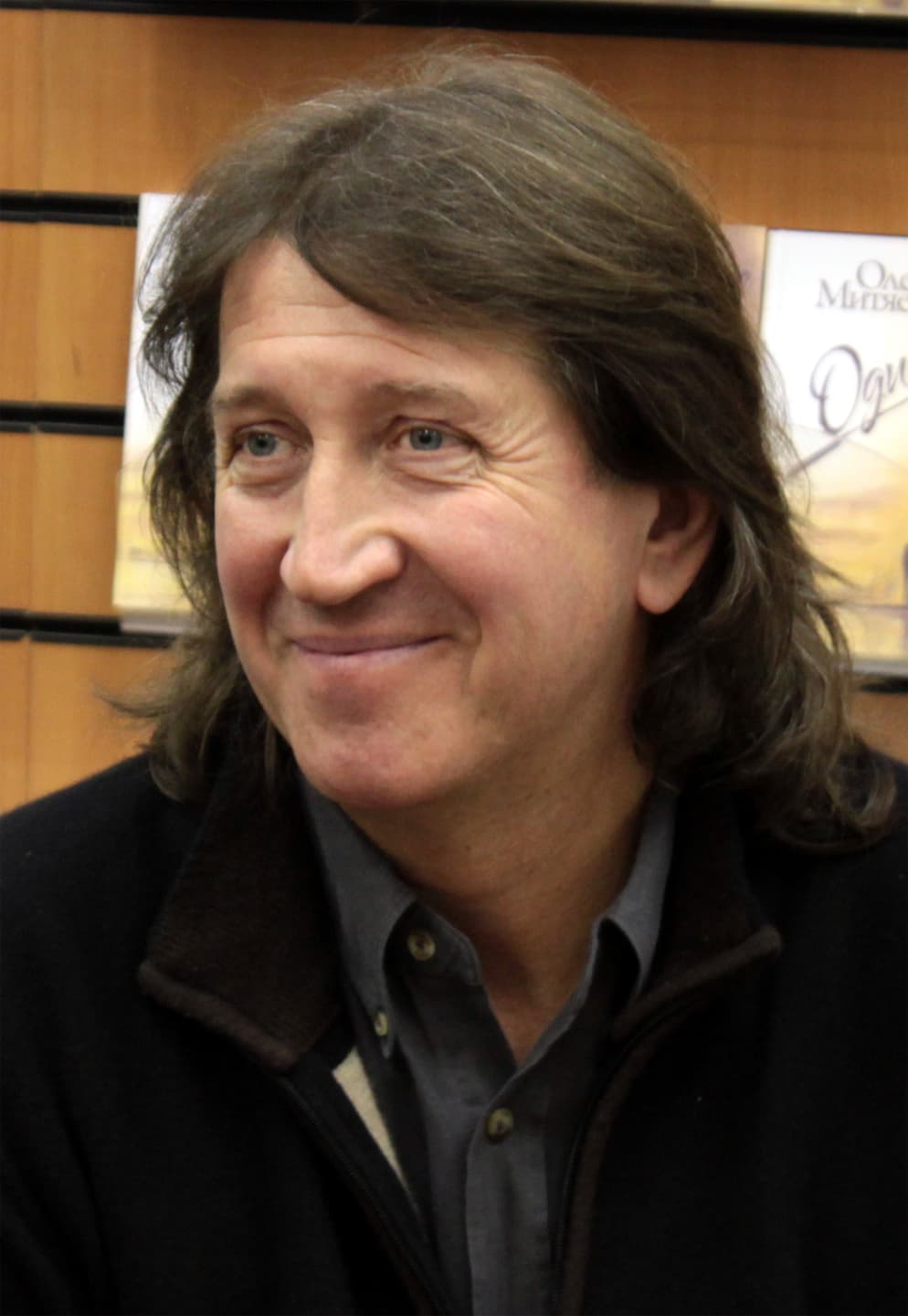
Олег Митяев
Gentle acoustic ballads that feel like a warm coat on a cold day. Intimate storytelling and baritone vocals for quiet reflection and nostalgic evenings.
Gentle acoustic ballads that feel like a warm coat on a cold day. Intimate storytelling and baritone vocals for quiet reflection and nostalgic evenings.
Oleg Mityaev creates music that feels like a long, honest conversation with an old friend. His sound is rooted in the Russian 'bard' tradition, where the clarity of the lyrics and the sincerity of the delivery take precedence over complex production. It is fundamentally acoustic, built around the steady, comforting rhythm of a nylon-string guitar and a voice that never strains for effect, remaining grounded in a warm, conversational baritone.
What makes Mityaev distinctive is his ability to elevate the mundane into the poetic. He captures the specific melancholy of the changing seasons, the quiet ache of passing time, and the simple beauty of human connection. His songs often feel like short stories or letters, filled with vivid imagery of snow, summer rain, and the small rituals of daily life that define our shared memory.
For those new to his work, start with his most famous anthems like 'Kak zdorovo' to understand his role as a cultural unifier. His later albums, such as 'Zapakh snega', offer a more polished but equally intimate experience, perfect for rainy afternoons or late nights when you want music that understands the weight of the past without being crushed by it.
Oleg Grigorievich Mityaev (Russian: Олег Григорьевич Митяев, 19 February 1956) is a Russian bard, musician and actor. He was awarded the People's Artist of Russia award in 2009. He is also a member of Russian Writers Union. Mityaev is the author and first performer of the popular bard song So Good That All We... (1978).
Shares acoustic folk, soft rock, sentimental, americana (signature)
Shares acoustic folk, nostalgic, soft rock, americana (signature)
Shares americana, acoustic folk, stripped back, baritone (subgenre)
Shares acoustic folk, sentimental, americana, sunday morning (signature)
Shares americana, acoustic folk, autumn walk, sunday morning (subgenre)
Cassette uses generative AI to enrich its catalog. How we use AI →