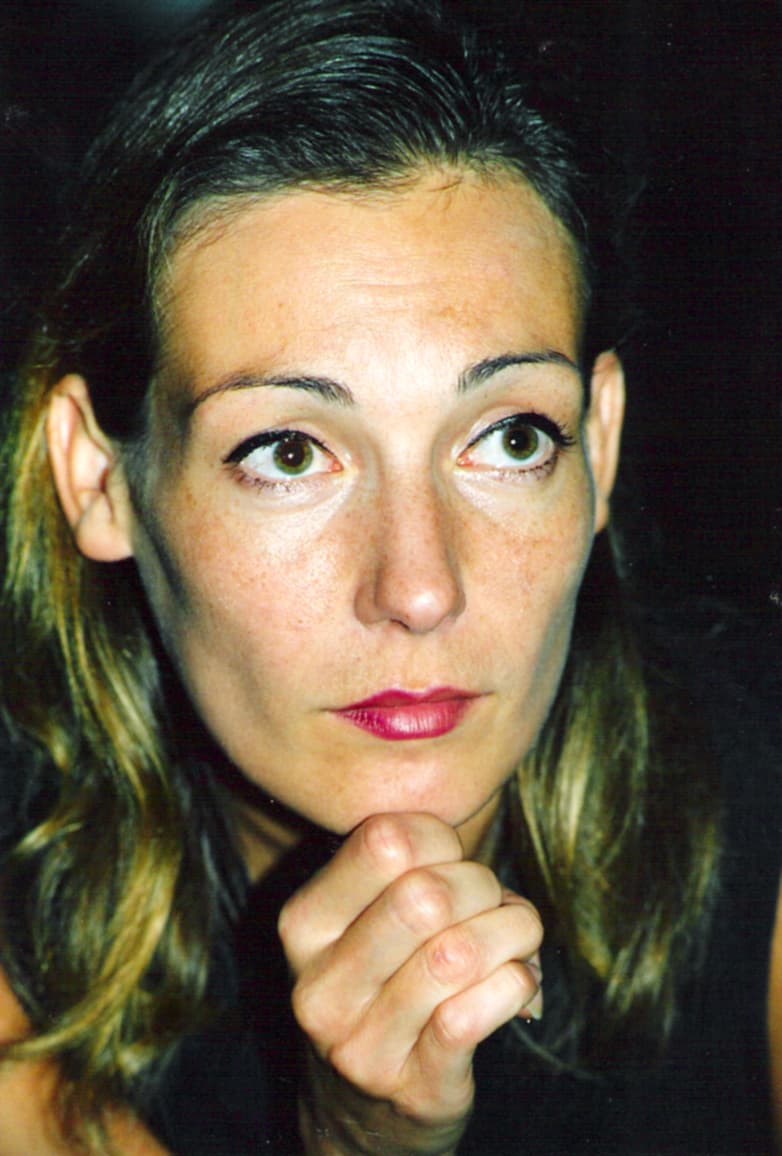
Ute Lemper
Smoky, theatrical vocals that bridge the gap between 1930s Berlin and modern jazz. Sophisticated chanson for late nights and deep reflection.
Smoky, theatrical vocals that bridge the gap between 1930s Berlin and modern jazz. Sophisticated chanson for late nights and deep reflection.
Ute Lemper sounds like the ghost of a Weimar Republic nightclub brought into the modern light. Her voice is a versatile instrument, capable of a conspiratorial whisper one moment and a defiant, brassy belt the next. There is an inherent drama in every syllable, often delivered in a multilingual blend of German, French, and English that feels both cosmopolitan and deeply rooted in European history.
What sets her apart is her commitment to the 'chanteuse' tradition, where the performance is as much about the storytelling and the subtext as it is about the melody. She doesn't just sing Kurt Weill or Edith Piaf; she inhabits the social friction and romantic desperation of their eras. Her phrasing is elastic and unpredictable, often stretching notes to the breaking point to emphasize a lyrical irony or a sudden surge of emotion.
To experience Lemper at her peak, start with 'Berlin Cabaret Songs'. It serves as a perfect introduction to her razor-sharp wit and her ability to navigate complex, politically charged material with effortless grace. It is music for the hour when the party has ended but the conversation is just getting serious.
Ute Gertrud Lemper (German pronunciation: [ˈuːtə ˈlɛmpɐ] ; born 4 July 1963) is a German singer and actress. Her roles in musicals include playing Sally Bowles in the original Paris production of Cabaret, for which she won the 1987 Molière Award for Best Newcomer, and Velma Kelly in the revival of Chicago in both London and New York, which won her the 1998 Olivier Award for Best Actress in a Musical.
Cassette uses generative AI to enrich its catalog. How we use AI →