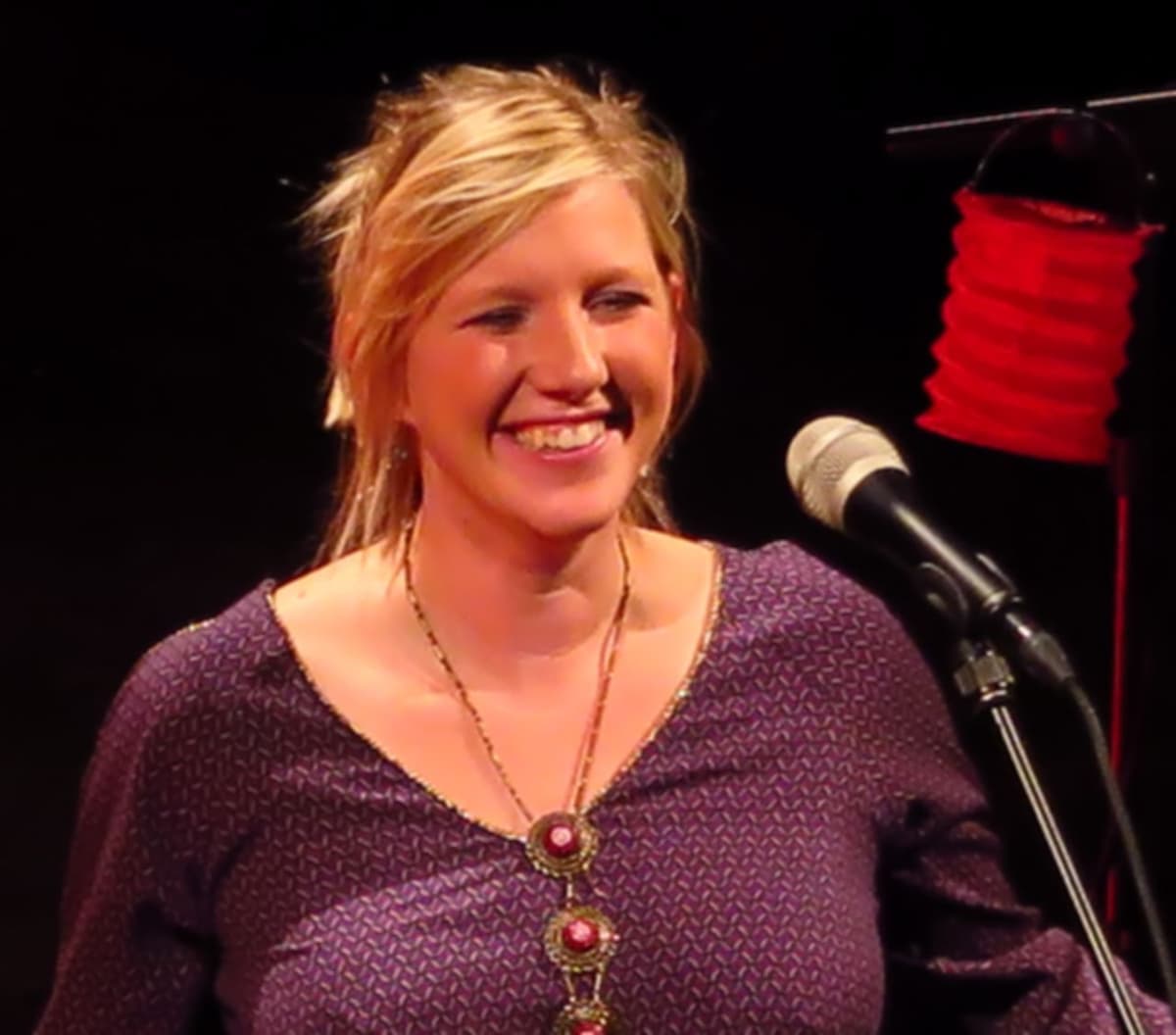
Víctor Manuel
Poetic Spanish songwriting that balances intimate romanticism with sharp social conscience. Warm, acoustic-led stories for quiet reflection and deep connection.
Poetic Spanish songwriting that balances intimate romanticism with sharp social conscience. Warm, acoustic-led stories for quiet reflection and deep connection.
Víctor Manuel is a foundational figure in the Spanish 'Nueva Canción' and 'Cantautor' movements, emerging in the late 1960s as a voice of social conscience. His sound identity is defined by a blend of traditional Asturian folk elements, sophisticated pop-rock production, and a lyrical focus on the Spanish Transition.
His career arc moved from early folk-protest songs like 'La Planta 14' to more expansive, polished pop in the 1980s and 90s, often in collaboration with his wife, Ana Belén. Culturally, he is viewed as a symbol of democratic resistance and intellectual maturity in Spain. Critically, he is praised for his narrative precision and his ability to maintain relevance across six decades. His influence web connects the rural folk traditions of Northern Spain to the urban singer-songwriter scenes of Madrid and Barcelona. For collectors, his 1970s output represents the peak of Spanish socio-political songwriting, while his later work demonstrates a mastery of the adult contemporary format.
Shares acoustic folk, soft rock, narrating, americana (signature)
Shares acoustic folk, soft rock, narrating, pop rock (signature)
Shares acoustic folk, narrating, americana, pop rock (signature)
Shares acoustic folk, soft rock, americana, bonfire (signature)
Shares soft rock, acoustic folk, pop rock, tender (subgenre)
Cassette uses generative AI to enrich its catalog. How we use AI →