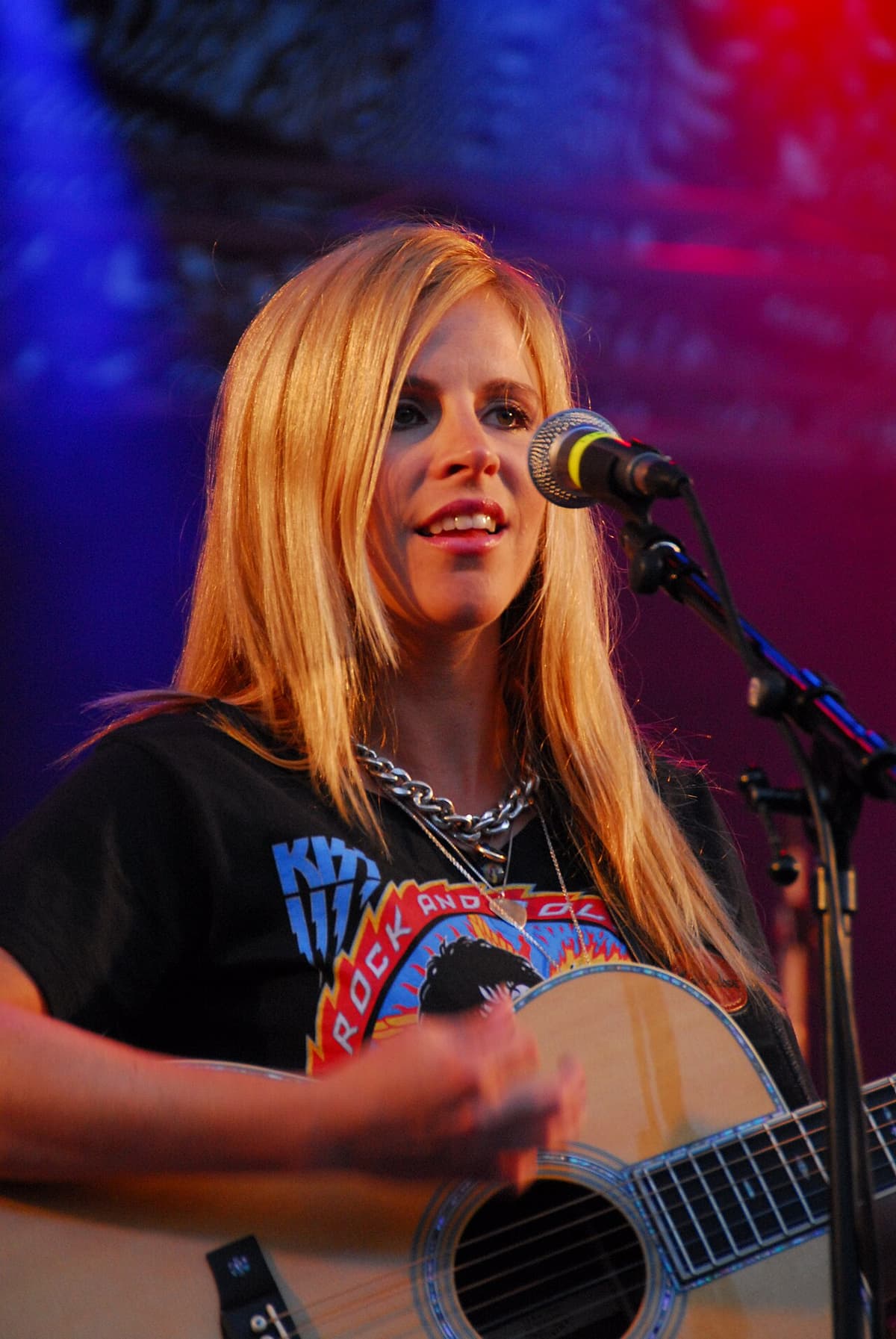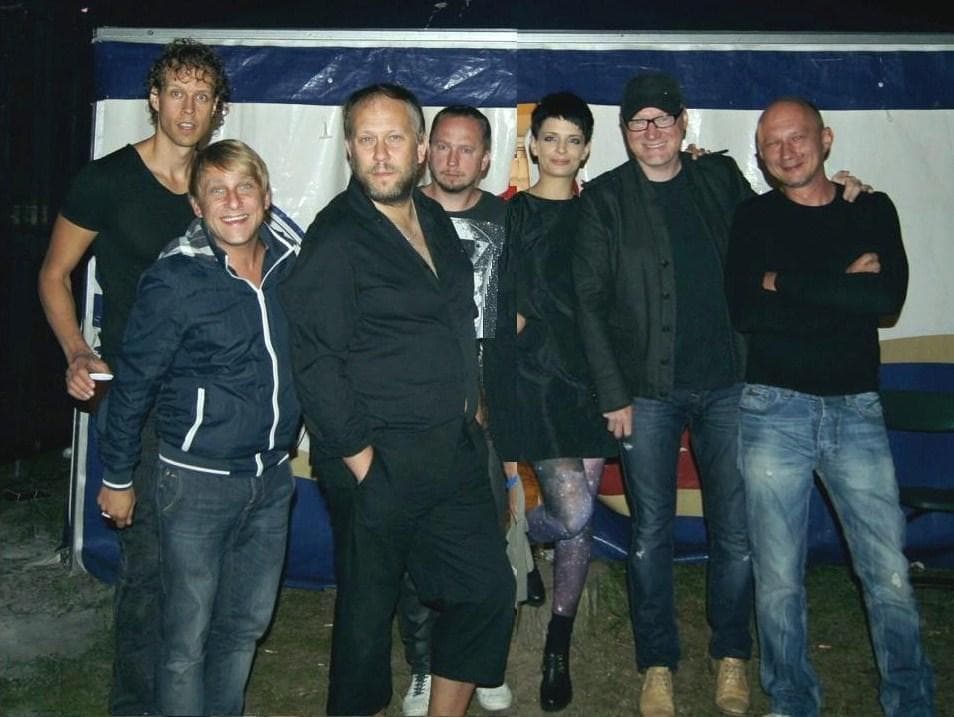
Varius Manx
Melancholic, radio-ready Polish pop-rock defined by breathy vocals and lush 90s production. Perfect for reflective drives and rainy afternoons.
Melancholic, radio-ready Polish pop-rock defined by breathy vocals and lush 90s production. Perfect for reflective drives and rainy afternoons.
Varius Manx creates a sound that feels like a warm sweater on a cold, damp day. Their music is the quintessential soundtrack to 1990s Poland, blending sophisticated pop sensibilities with a deep, underlying melancholy. It is characterized by gentle acoustic foundations, shimmering electric guitars, and a sense of space that feels both intimate and expansive.
The band is most distinctive for its rotating cast of iconic female vocalists, each bringing a specific flavor of breathy, emotive delivery to Robert Janson's melodic compositions. Whether it is the folk-tinged vulnerability of the Anita Lipnicka era or the more powerful, soaring hooks of the Kasia Stankiewicz period, the music maintains a consistent thread of poetic reflection and sophisticated arrangement.
To understand their impact, start with the albums Emu or Elf. These records represent the peak of their cultural influence, offering a masterclass in how to write radio hits that still feel deeply personal and artistically credible. It is music for people who appreciate a good melody but want it served with a side of wistful introspection.
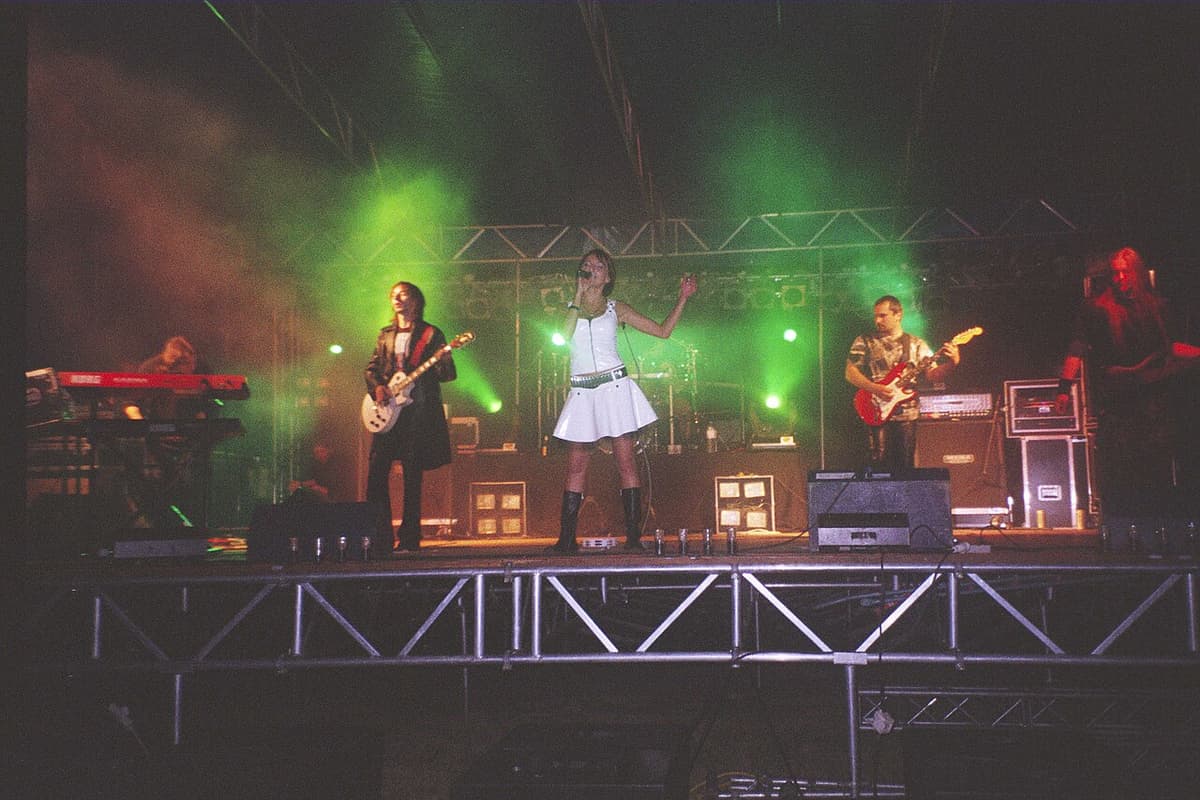
Varius Manx are a Polish pop group, formed in Łódź in 1989 by composer Robert Janson. The name is a variation on the English word "various" plus Manx, the variety of cat. The band have sold more than 2 million albums in their native Poland. The band's first album, The Beginning, which consisted entirely of instrumental music, was released in 1990 to measured success. The 1993 follow-up The New Shape, featured vocals by Janson, Robert Amirian, and guests including Edyta Bartosiewicz. The band's breakthrough was its 1994 album Emu, which marked a stark change in artistic direction. The band now had a lead singer, Anita Lipnicka, and now performed primarily in Polish. The formula was highly successful, and both Emu and the subsequent album Elf (1995) each sold more than half a million copies. The band won the Polish music award, the Fryderyk, in 1995 for best musical group. The band provided much of the soundtrack to the film Młode wilki, featuring in part songs from Elf. In 1994 they won the Sopot International Song Festival. In 1996 Varius Manx appeared on the television show Szansa na sukces (A Chance For Success), a karaoke show in which participants would sing the songs of the visiting band. The show was won by 19-year-old Kasia Stankiewicz. When, shortly afterward, Lipnicka left the band to pursue a solo career, the remaining members asked Stankiewicz to take her place. The resulting lineup recorded Ego, which was also highly successful, and produced what is probably Varius Manx's best-known song, "Orła cień" (An Eagle's Shadow), which was featured in the film Kiler. Like its two predecessors, the album included a number of songs in English. In 1997 the band released its next album, End, this time entirely in Polish; it sold a respectable 130,000 copies, although far less than its predecessors. The same year, Varius Manx contributed to a second soundtrack, for the film Nocne Graffiti, after which it took a creative pause; Stankiewicz recorded her first solo album. Varius Manx released a greatest hits album in 2000, Najlepsze z dobrych (The Best of the Good), which included four new tracks as well as reworked versions of some of the band's hits. It was Kasia Stankiewicz's last album with the band, as she departed the following year to pursue her solo career. Monika Kuszyńska was chosen as the band's new singer in May 2001. With her, the band recorded Eta (2001) and Eno (2002). In 2002 Varius Manx won the Baltic Prize in Karlshamn, Sweden with the song "Moje Eldorado". The cover for the band's 2004 album Emi was chosen in a competition, in which 317 suggestions were sent in; the winner was an image of a white cat, a play on the band's name. On 28 May 2006, the band were involved in a serious car accident. Robert Janson and Monika Kuszyńska were badly injured. Janson recovered, however Kuszyńska remains paralysed. In summer 2006 in Sopot the most famous Polish artists (including the band's two previous vocalists) took part in a charity concert which was organised to raise money for the rehabilitation of Janson and Kuszyńska.

Shares pop rock, soft rock, art pop (subgenres); studio polished, analog warmth, reverb heavy (production style)
Shares pop rock, soft rock, alternative rock (subgenres); studio polished, analog warmth (production style)
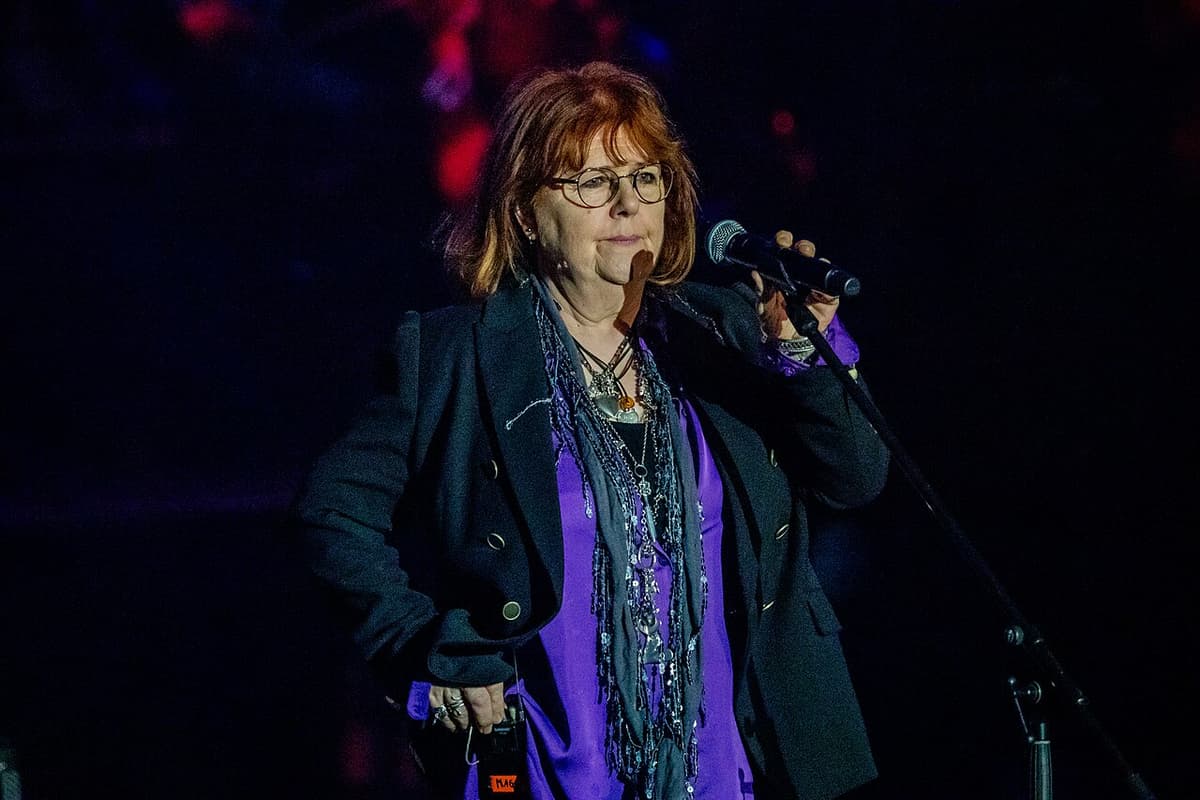
Shares soft rock, pop rock, art pop (subgenres); studio polished, analog warmth, reverb heavy (production style)
Shares studio polished, analog warmth, reverb heavy (production style); breathy, ethereal, gentle (vocal style)
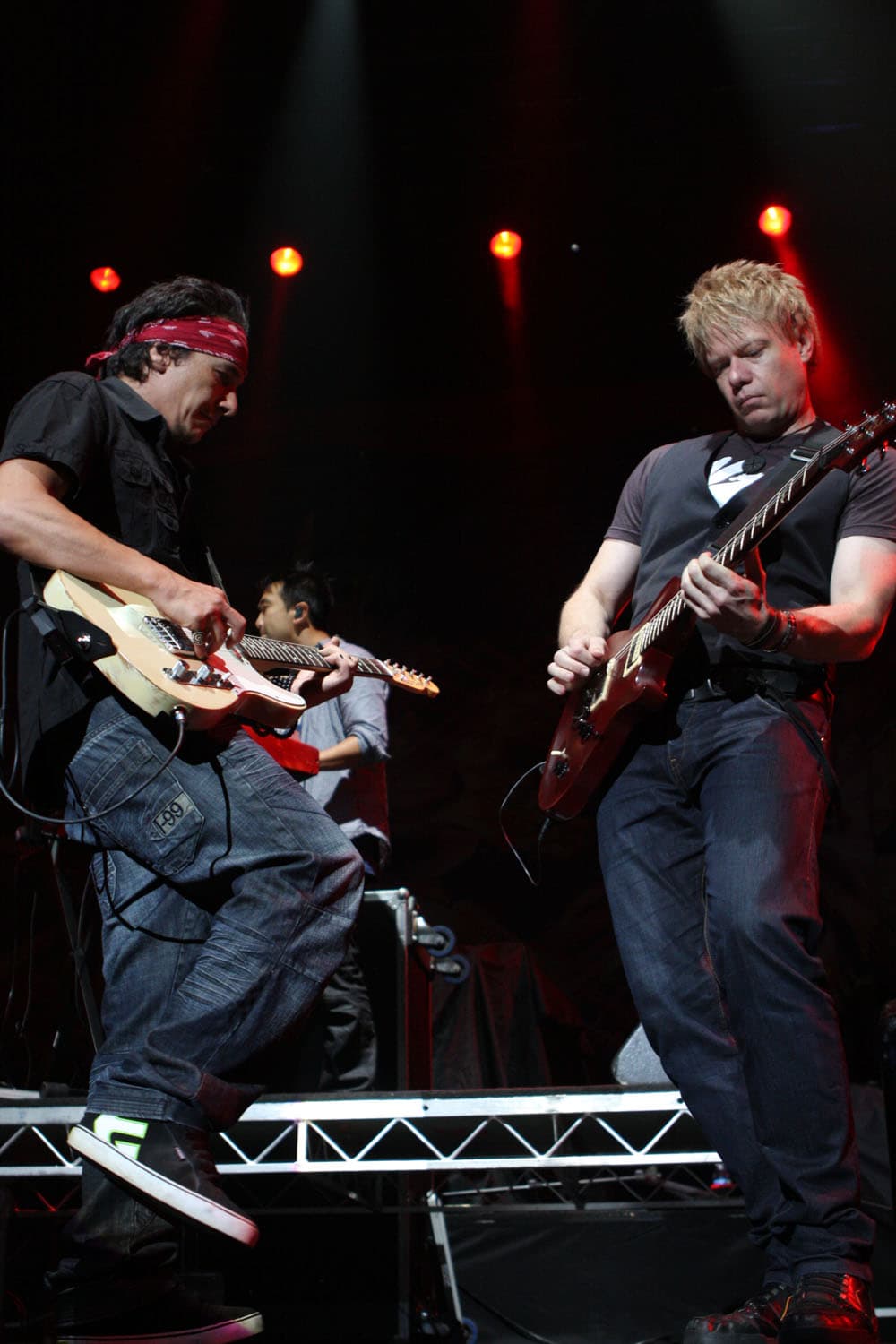
Shares soft rock, pop rock, alternative rock (subgenres); studio polished, analog warmth, reverb heavy (production style)
Shares soft rock, pop rock (subgenres); melancholic, nostalgic, wistful (moods)
Shares pop rock, alternative rock, soft rock (subgenres); autumn walk, rainy day, solitude (atmosphere)
Shares pop rock, soft rock, alternative rock (subgenres); studio polished, analog warmth (production style)
Shares pop rock, soft rock (subgenres); studio polished, analog warmth, orchestral arrangement (production style)
Shares soft rock, melancholic, pop rock, breathy (signature)
Cassette uses generative AI to enrich its catalog. How we use AI →