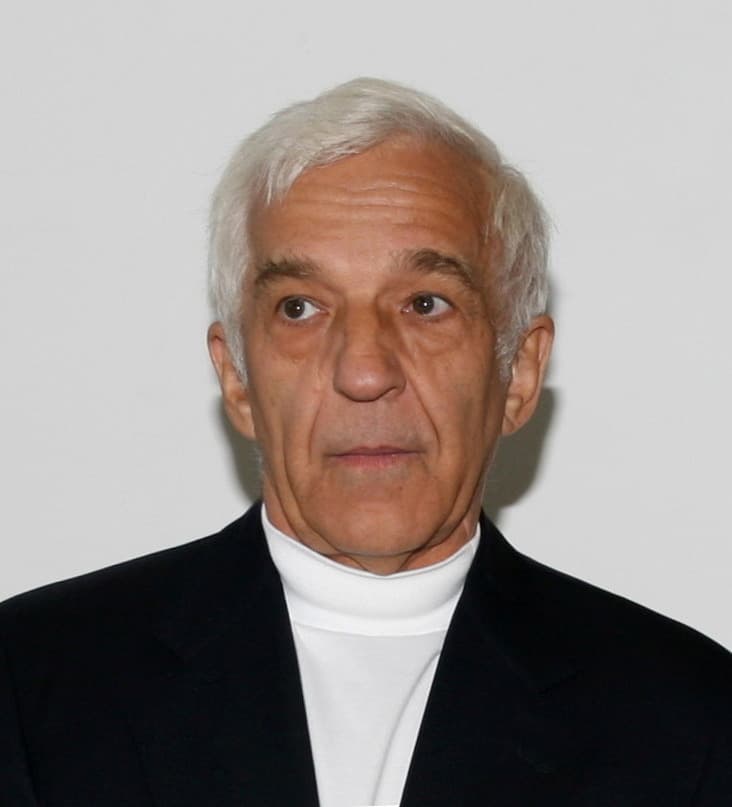
Vladimir Ashkenazy
Crystalline piano technique meets deep intellectual rigor. Masterful interpretations of Chopin and Rachmaninoff that feel both technically perfect and emotionally alive.
Crystalline piano technique meets deep intellectual rigor. Masterful interpretations of Chopin and Rachmaninoff that feel both technically perfect and emotionally alive.
Listening to Vladimir Ashkenazy is like watching a master architect reveal the hidden blueprints of a great cathedral. His piano playing is defined by an incredible clarity of touch, where every note in a complex run is distinct, shimmering, and perfectly placed. There is no muddying of the waters here; even in the most thunderous Rachmaninoff passages, you can hear the internal logic of the music shining through.
What makes him distinctive is the 'intelligent' quality of his interpretations. He avoids the self-indulgent histrionics often found in Romantic repertoire, opting instead for a balanced, thoughtful lyricism. His transition from world-class pianist to acclaimed conductor brings a symphonic depth to his solo work, treating the piano as a multi-voiced ensemble rather than just a percussion instrument.
Start with his recordings of Chopin's Nocturnes or Rachmaninoff's Piano Concertos. They offer the perfect entry point into his ability to marry technical precision with a profound, understated emotional resonance that rewards repeated, close listening.
Vladimir Davidovich Ashkenazy (Russian: Влади́мир Дави́дович Ашкена́зи, tr. Vladimir Davidovich Ashkenazi; born 6 July 1937) is a Soviet-born Icelandic pianist, chamber music performer, and conductor. Ashkenazy has collaborated with well-known orchestras and soloists. In addition, he has recorded a large repertoire of classical and romantic works. His recordings have earned him seven Grammy Awards and he has been awarded three stages of Iceland's Order of the Falcon for his overall contribution to music.
Cassette uses generative AI to enrich its catalog. How we use AI →


