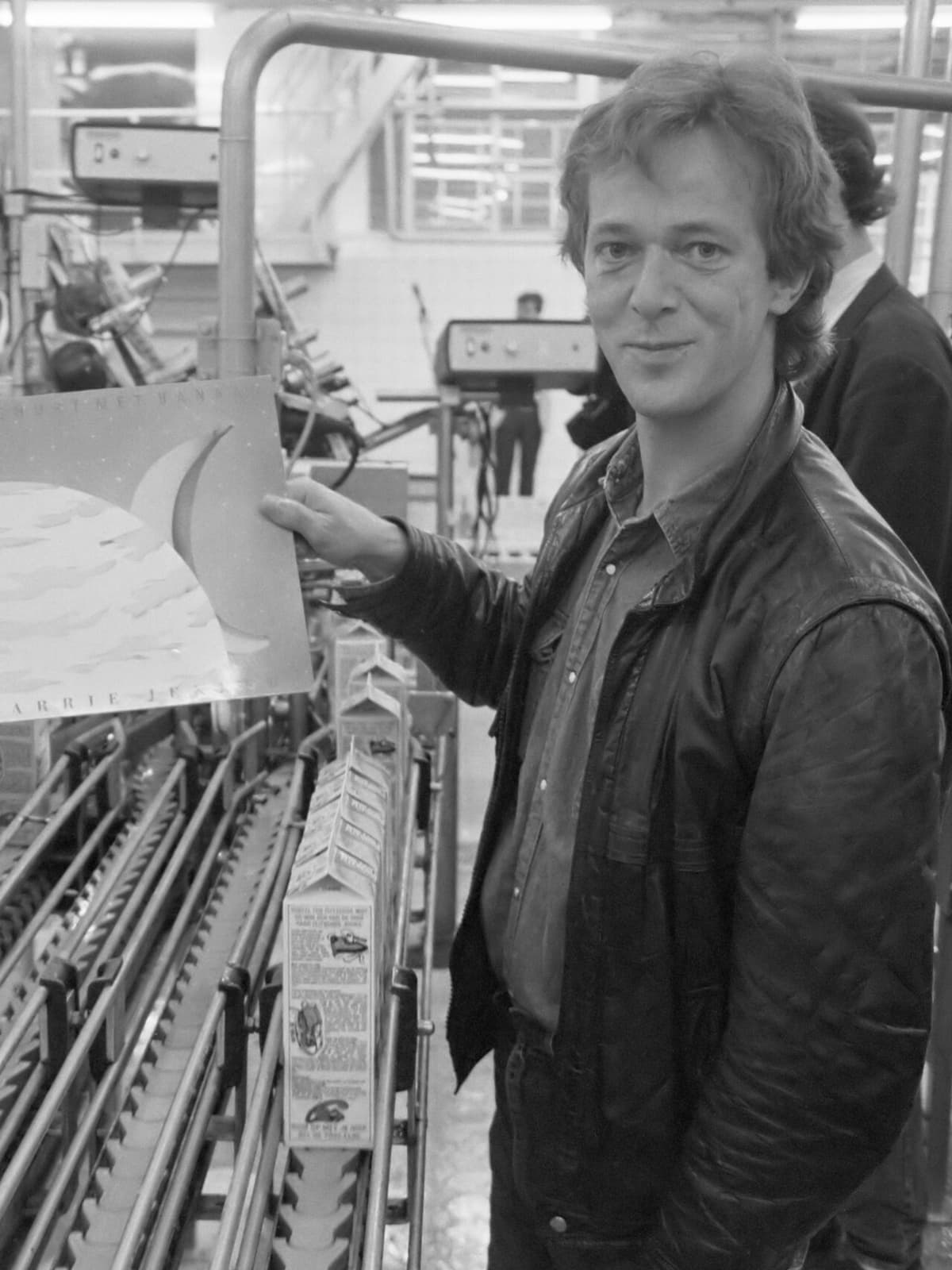
Willy Astor
Virtuosic acoustic guitar meets brilliant, rapid-fire German wordplay. A warm, witty blend of folk-pop and absurdist storytelling for a clever afternoon.
Virtuosic acoustic guitar meets brilliant, rapid-fire German wordplay. A warm, witty blend of folk-pop and absurdist storytelling for a clever afternoon.
Willy Astor is a cornerstone of German musical comedy, distinguished by his dual mastery of virtuosic acoustic guitar and intricate wordplay. Emerging in the 1980s and peaking in cultural visibility during the 1990s and 2000s, Astor carved a niche that bridges the gap between the Bavarian 'Liedermacher' tradition and modern stand-up.
His sound identity is defined by clean, analog-focused production and a 'stripped-back' aesthetic that emphasizes the natural timbre of the guitar. Critically, he is respected as much for his technical proficiency as his humor, often compared to Fredl Fesl for his regional wit but possessing a more polished, guitar-centric musicality. His 'Sound of Islands' project demonstrated his range, moving into world music and ambient folk, though his primary cultural position remains that of the 'Wortakrobat' (word-acrobat). His influence is seen in the younger generation of German cabaret artists who prioritize musical excellence alongside comedic timing.

Shares live_recording, stripped_back, analog_warmth (production style); traditional pop, acoustic folk (subgenres)
Shares traditional pop, acoustic folk (subgenres); coffee_shop, sunday_morning, bonfire (atmosphere)
Shares acoustic folk, traditional pop (subgenres); coffee_shop, sunday_morning, bonfire (atmosphere)

Shares live_recording, stripped_back, analog_warmth (production style); coffee_shop, sunday_morning, bonfire (atmosphere)
Shares acoustic folk, traditional pop, soft rock (subgenres); stripped_back, analog_warmth (production style)

Shares traditional pop, soft rock (subgenres); live_recording, stripped_back, analog_warmth (production style)
Shares acoustic folk, traditional pop, soft rock (subgenres); acoustic guitar, piano, percussion (instrumentation)
Shares playful, wistful, joyful (moods); traditional pop, soft rock (subgenres)
Cassette uses generative AI to enrich its catalog. How we use AI →