Year of the Rabbit sounds like a high-definition dream of the 90s, where the grit of grunge has been scrubbed clean by meticulous studio engineering. The guitars are massive and multi-layered, yet they possess a clinical clarity that allows every detuned chord to resonate. Ken Andrews brings his signature vocal style: a breathy, intimate delivery that sits perfectly atop a wall of sound, creating a sense of vulnerability amidst the sonic weight.
What truly distinguishes this project is the pedigree of its members. Drawing from the DNA of Failure and Shiner, the band emphasizes the 'space' in space-rock. The rhythm section is locked in with mathematical precision, while the guitars weave complex, interlocking patterns that feel more like architecture than simple riffs. It is music that feels both physically heavy and emotionally airy, a rare balance of power and atmosphere.
Start with their self-titled full-length album. It captures the band at their peak, showcasing the transition from the raw energy of their 'Hunted' EP to a fully realized, cinematic rock sound. It is the perfect entry point for anyone who loves the intersection of melody, muscle, and meticulous production.
Year of the Rabbit was a rock band assembled and fronted by Ken Andrews, formerly of Failure and ON. After the commercial disappointment of ON, Andrews and ON's touring drummer Tim Dow (formerly of Shiner and Season to Risk) first recruited Dow's friend Jeff Garber (lead guitar/background vocals, formerly of National Skyline and Castor). Solomon Snyder (bass/background vocals, formerly of Cupcakes and Dovetail Joint) came on board shortly thereafter. Whereas ON's material had been created mostly by Andrews as a solo project, the harder-rocking sound of Year of the Rabbit was much closer to that of his previous band, Failure. Their first release, the 2003 EP Hunted, was made available only from CD Baby, the iTunes Store, and the band themselves. It was enough to attract the attention of Elektra Records, who released their self-titled album the following July. Unfortunately for the band, however, Elektra's parent company, Warner Music Group, was sold in February 2004 to a group of private investors, who decided to fold Elektra into Atlantic Records, and many of the labels' underperforming acts, including Year of the Rabbit, were dropped from their rosters. Two months later, Andrews declared on his official website that due to the shakeup at their label, the band had been put on indefinite hiatus. Andrews returned to Failure in 2014, following their reunion.

Shares alternative rock, post-grunge, art rock (subgenres); brooding, intense, melancholic (moods)
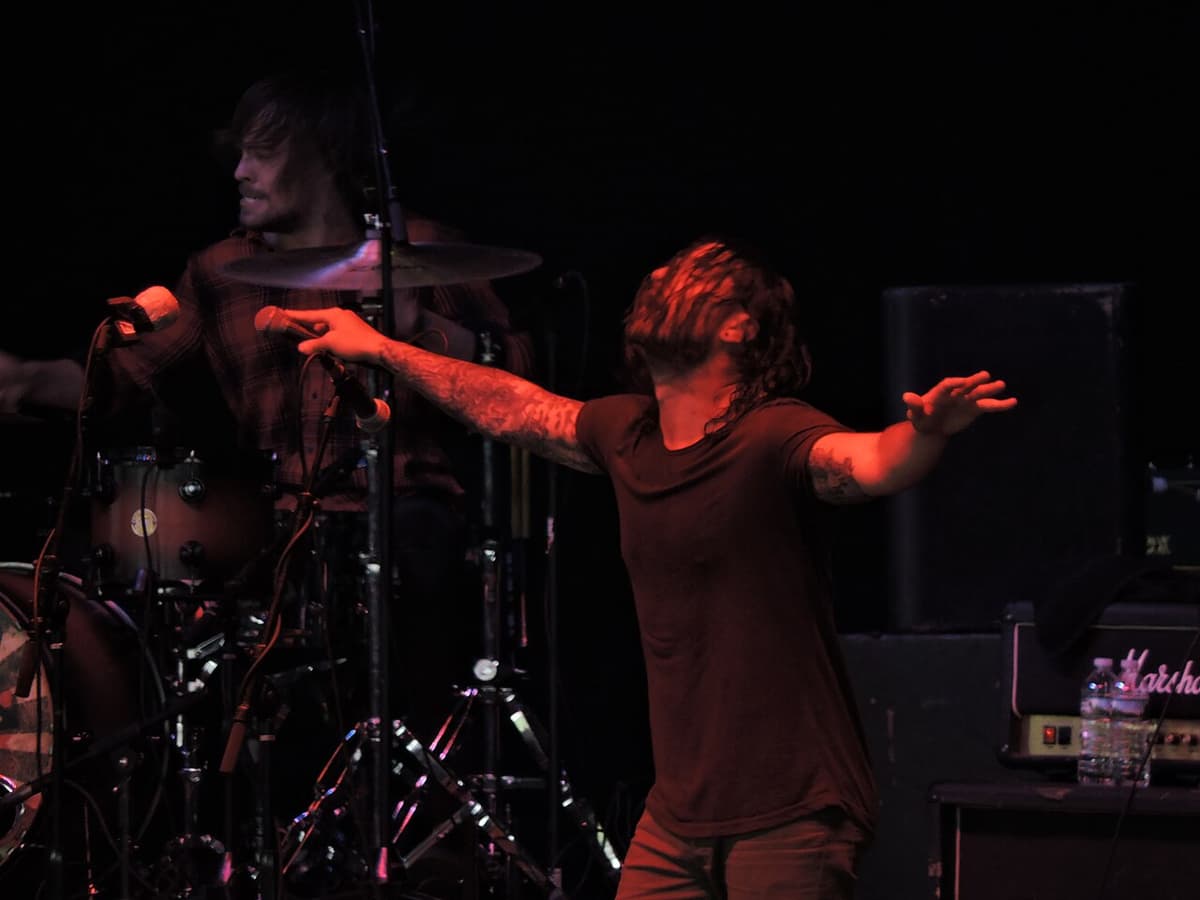
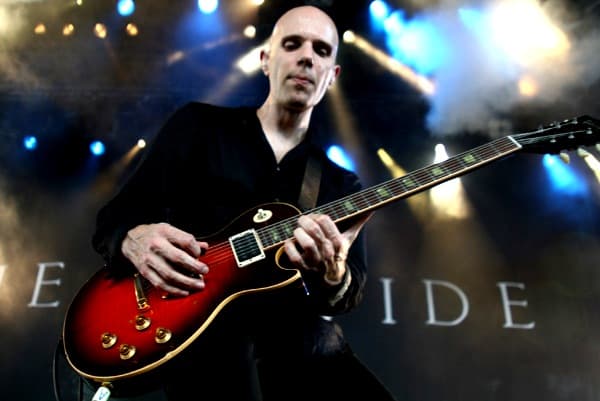
Shares alternative rock, post-grunge, art rock (subgenres); studio polished, layered dense, analog warmth (production style)
Shares alternative rock, post-grunge, art rock (subgenres); studio polished, layered dense, analog warmth (production style)
Shares brooding, intense, melancholic (moods); studio polished, layered dense, analog warmth (production style)
Shares brooding, intense, melancholic (moods); alternative rock, art rock (subgenres)
Shares breathy, harmonized, gentle (vocal style); alternative rock, art rock (subgenres)
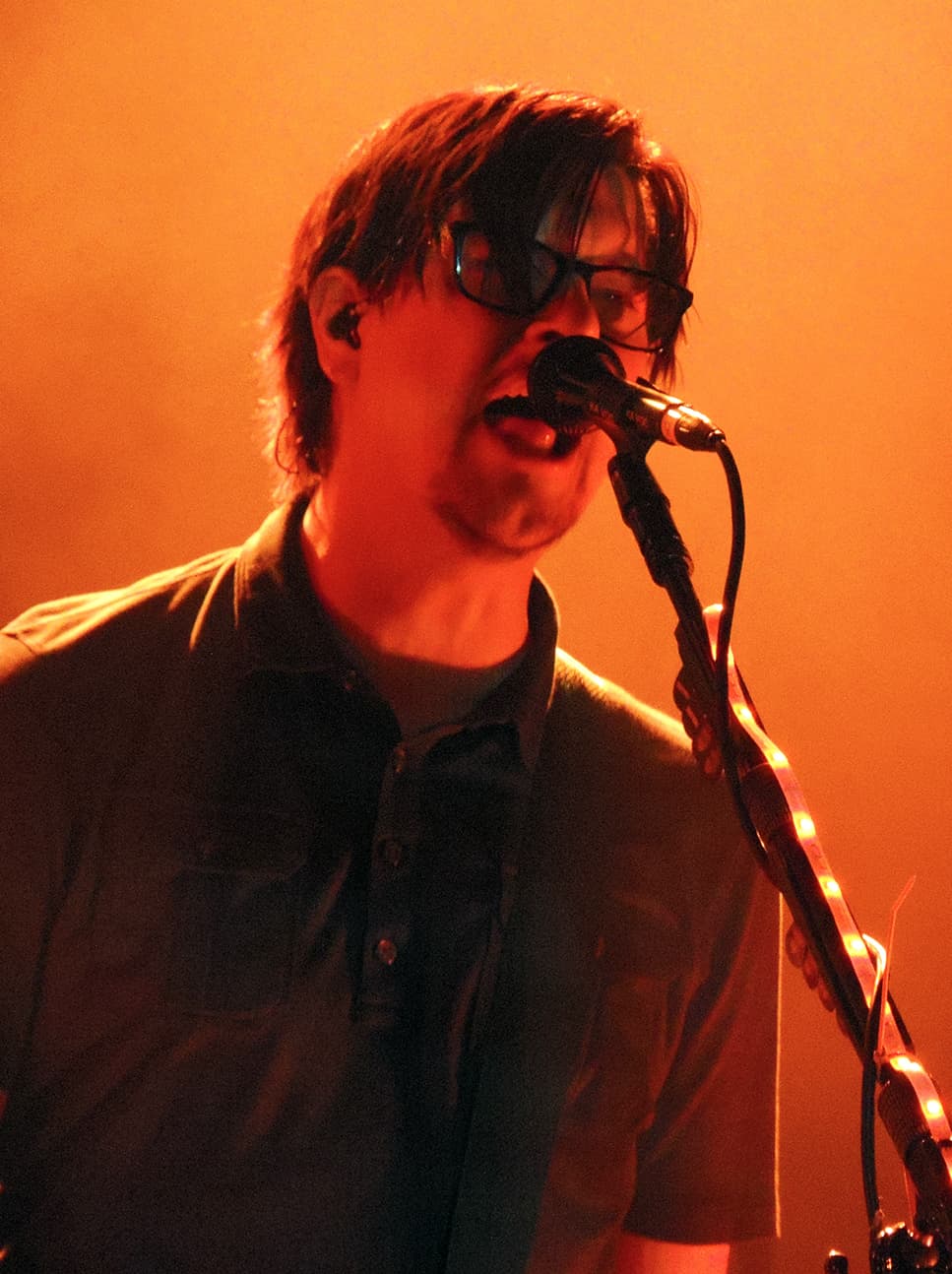
Shares studio polished, layered dense, hi fi (production style); alternative rock, art rock (subgenres)
Shares alternative rock, post-grunge, art rock (subgenres); electric guitar, drums, bass (instrumentation)
Shares alternative rock, art rock (subgenres); studio polished, layered dense, analog warmth (production style)
Shares space rock, post-grunge, shoegaze, stargazing (signature)
Shares space rock, layered dense, art rock, alternative rock (signature)
Cassette uses generative AI to enrich its catalog. How we use AI →