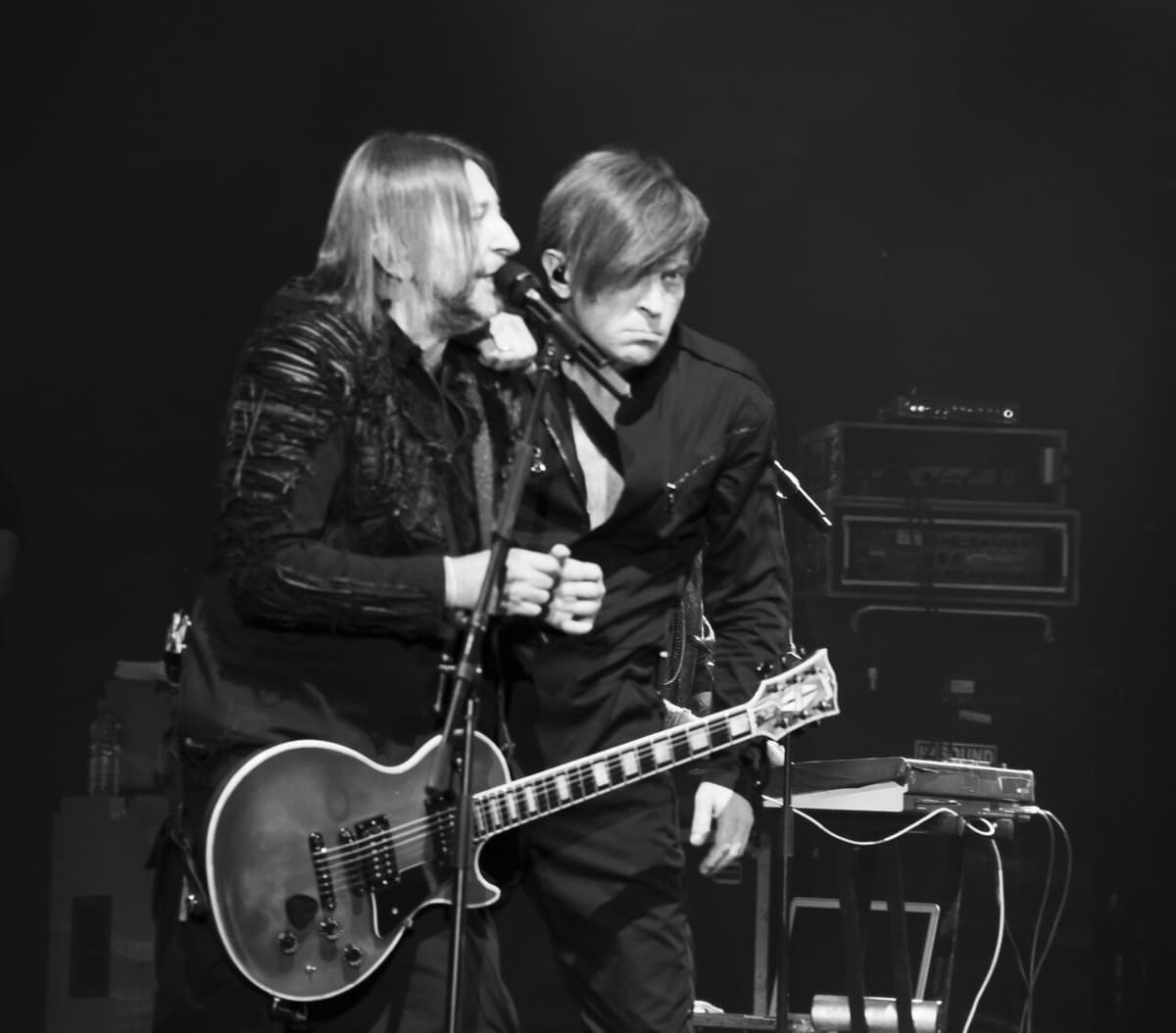
Би-2
Cinematic alternative rock with deep baritone vocals and lush orchestral layers. Atmospheric, melancholic, and perfectly suited for late-night city drives.
Cinematic alternative rock with deep baritone vocals and lush orchestral layers. Atmospheric, melancholic, and perfectly suited for late-night city drives.
Bi-2 is a cornerstone of modern Eastern European alternative rock, characterized by a sophisticated blend of post-punk, darkwave, and symphonic rock. Formed in Belarus in 1988, the band underwent a nomadic evolution through Israel and Australia before exploding onto the Russian scene in the late 1990s.
Their breakthrough was cemented by their inclusion on the 'Brother 2' film soundtrack, which defined the aesthetic of post-Soviet rock for a generation. Musically, they are defined by the baritone vocal interplay between founders Lyova and Shura and a production style that favors lush, cinematic arrangements over raw aggression. Their 'Odd Warrior' (Nechetny Voin) project further established them as curators of a broader art-rock scene, collaborating with diverse artists to push the boundaries of the genre. Critically, they are respected for maintaining high production standards and evolving their sound from early punk roots into a polished, multi-layered rock experience that remains commercially dominant while retaining an intellectual, often existential, lyrical depth.
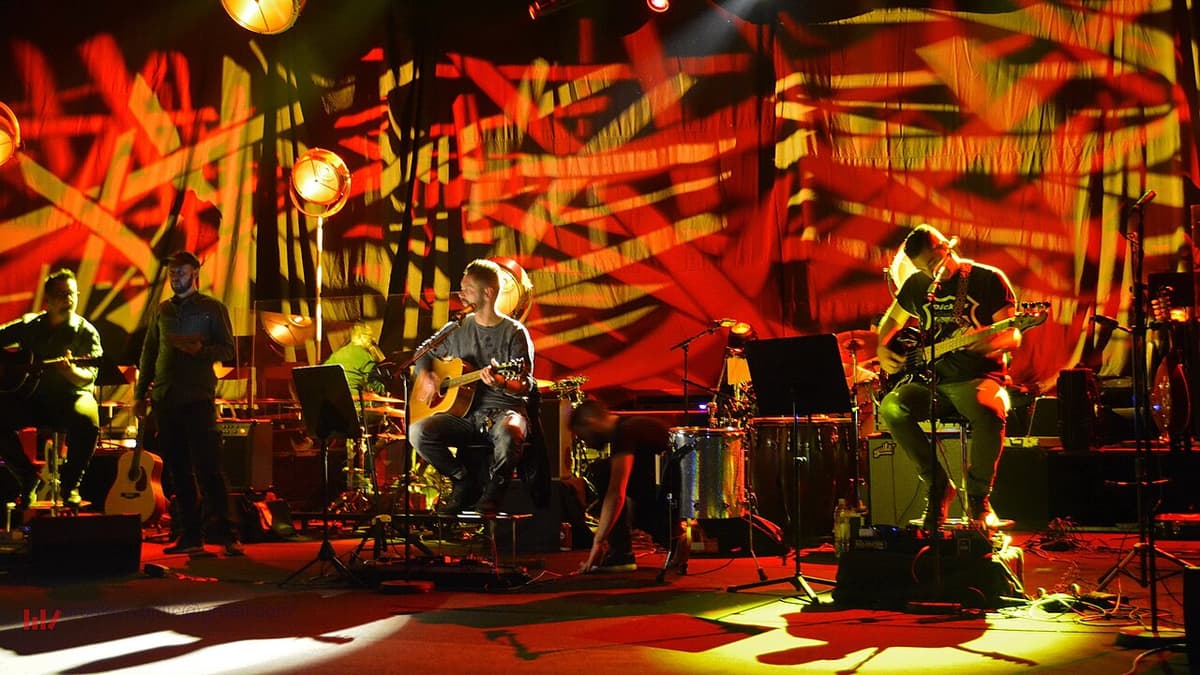
Shares alternative rock, pop rock, art rock (subgenres); studio_polished, layered_dense, analog_warmth (production style)
Shares melancholic, brooding, nostalgic (moods); alternative rock, post-punk, pop rock (subgenres)
Shares melancholic, brooding, nostalgic (moods); studio_polished, analog_warmth, layered_dense (production style)
Shares melancholic, brooding, nostalgic (moods); alternative rock, art rock, post-punk (subgenres)
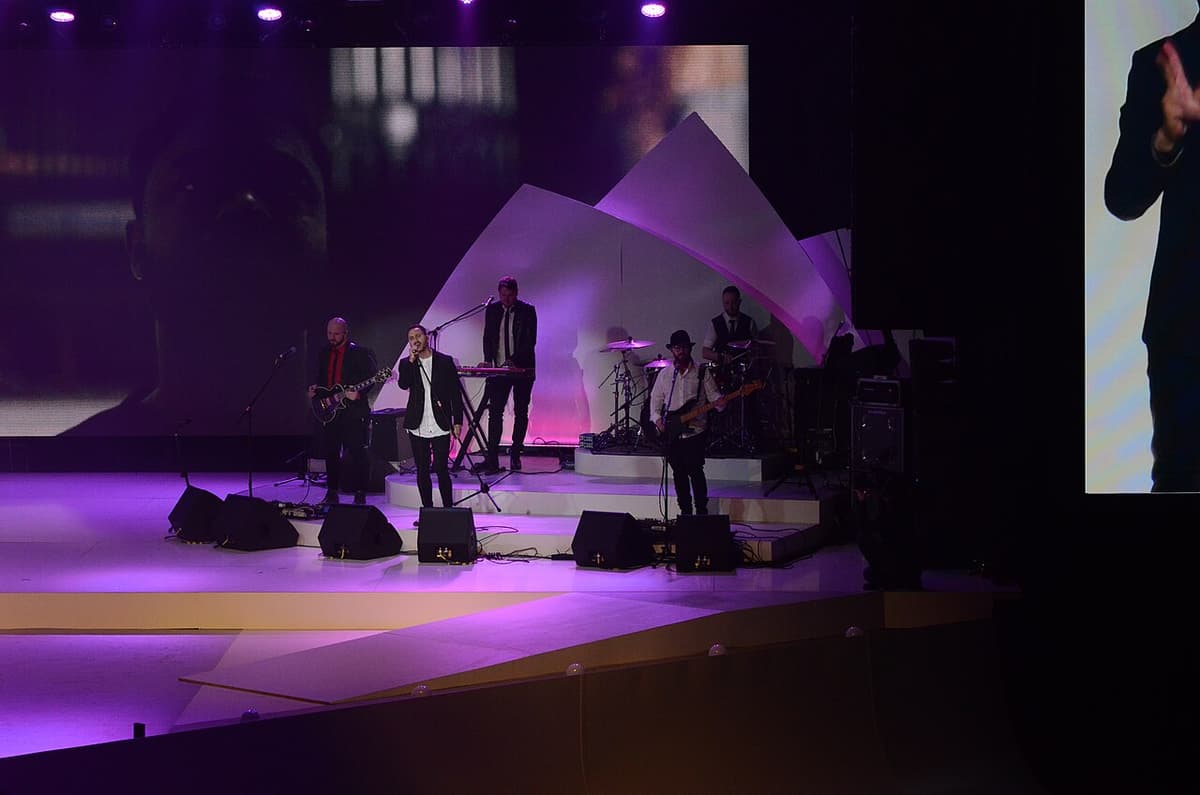
Shares alternative rock, pop rock, post-punk (subgenres); urban_night, rainy_day, road_trip (atmosphere)
Shares studio_polished, layered_dense, analog_warmth (production style); melancholic, brooding, nostalgic (moods)
Shares alternative rock, post-punk, art rock (subgenres); melancholic, brooding, wistful (moods)
Cassette uses generative AI to enrich its catalog. How we use AI →