Avenue D
Raw, raunchy, and unapologetically DIY. This is the sound of the 2000s New York underground: cheap synths, dirty jokes, and high-energy electroclash.
Raw, raunchy, and unapologetically DIY. This is the sound of the 2000s New York underground: cheap synths, dirty jokes, and high-energy electroclash.
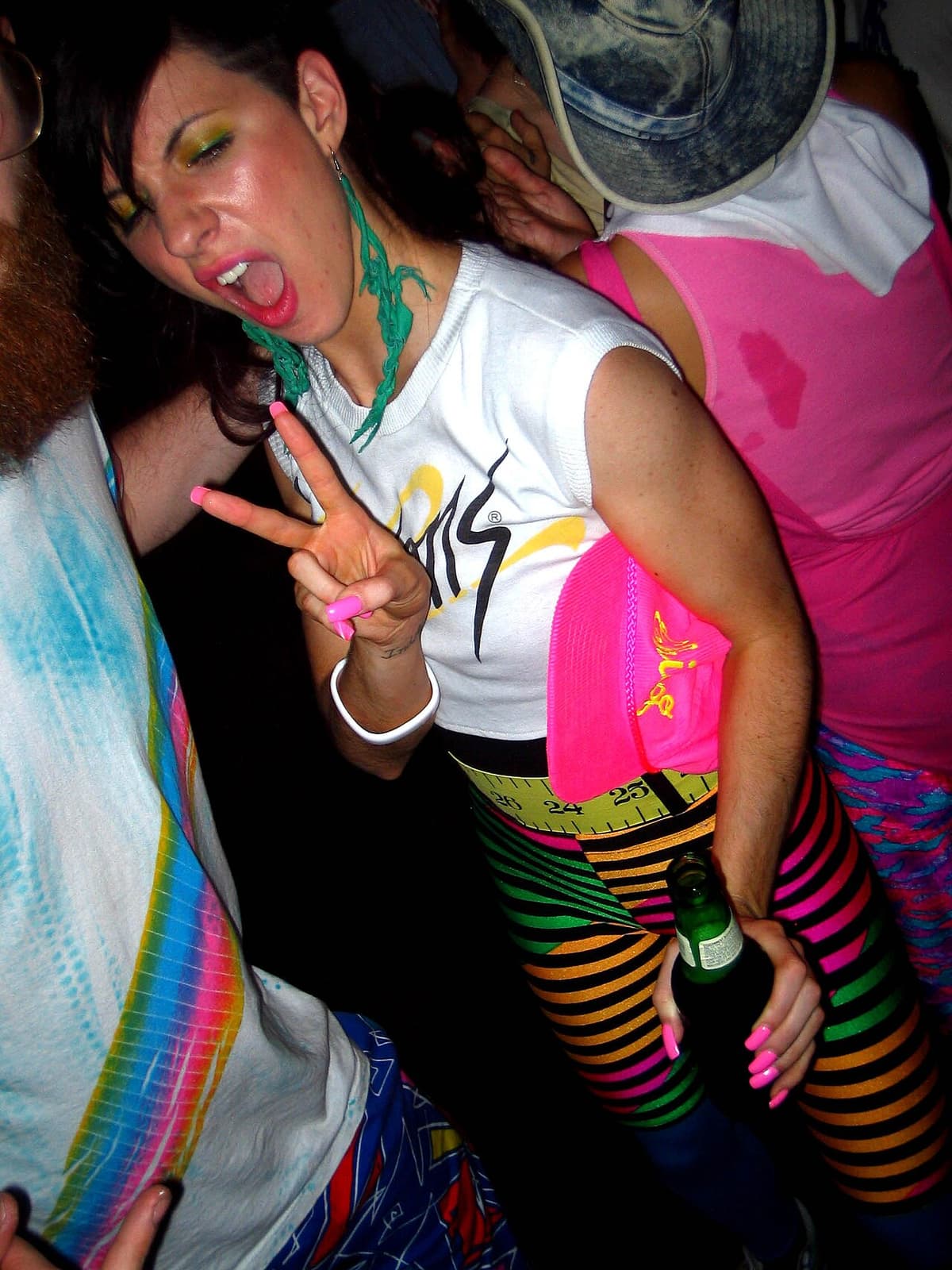
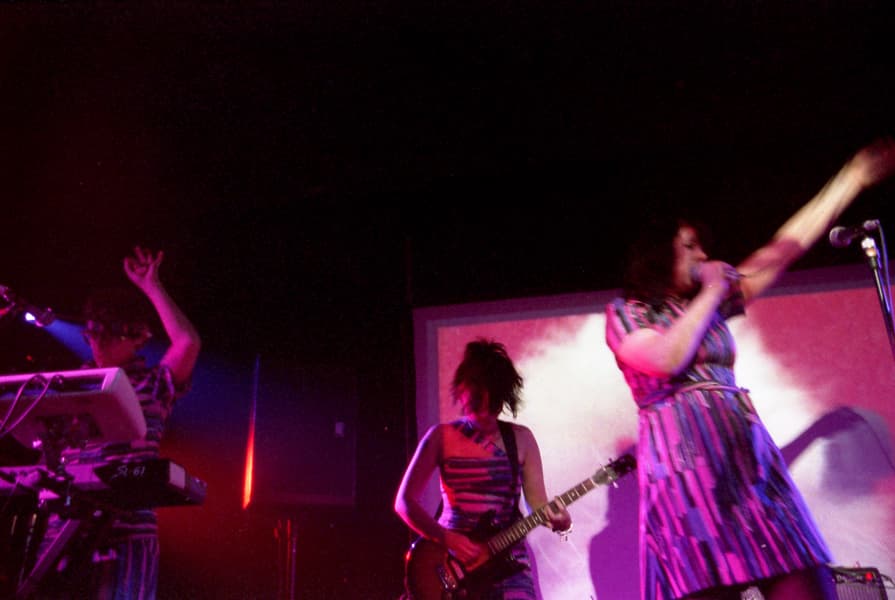
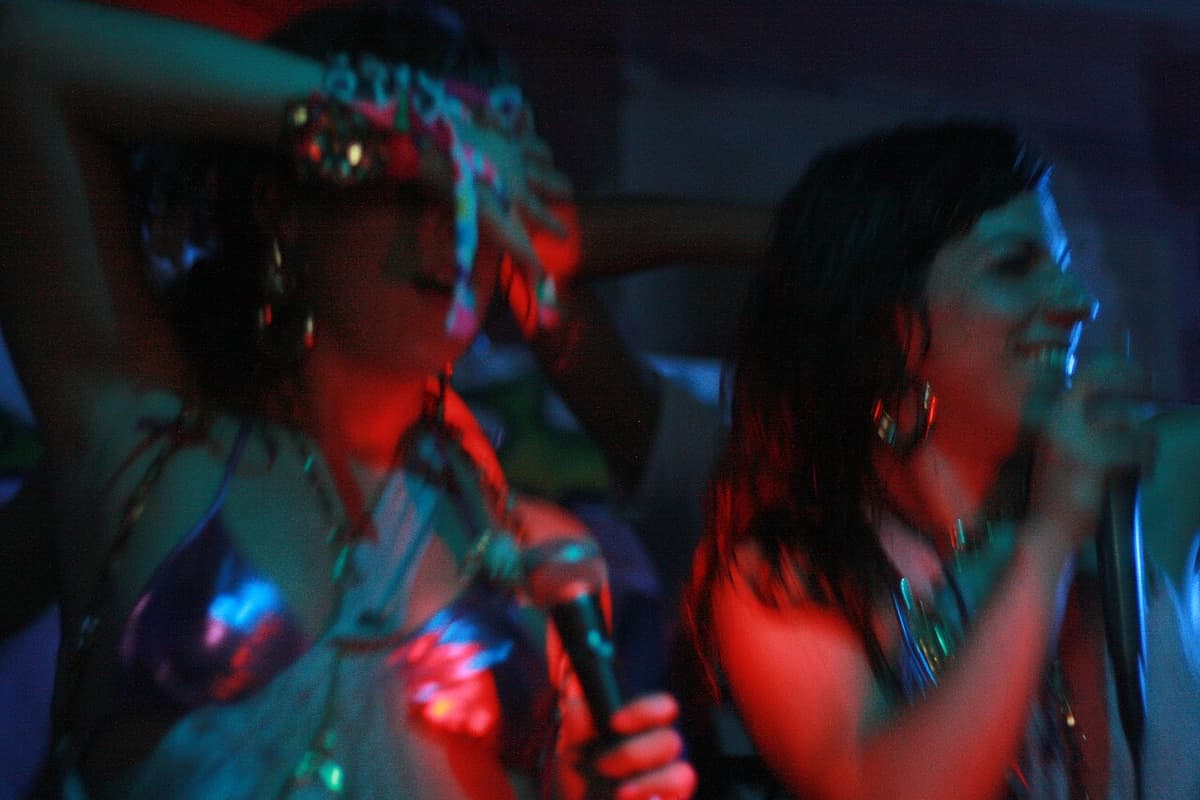
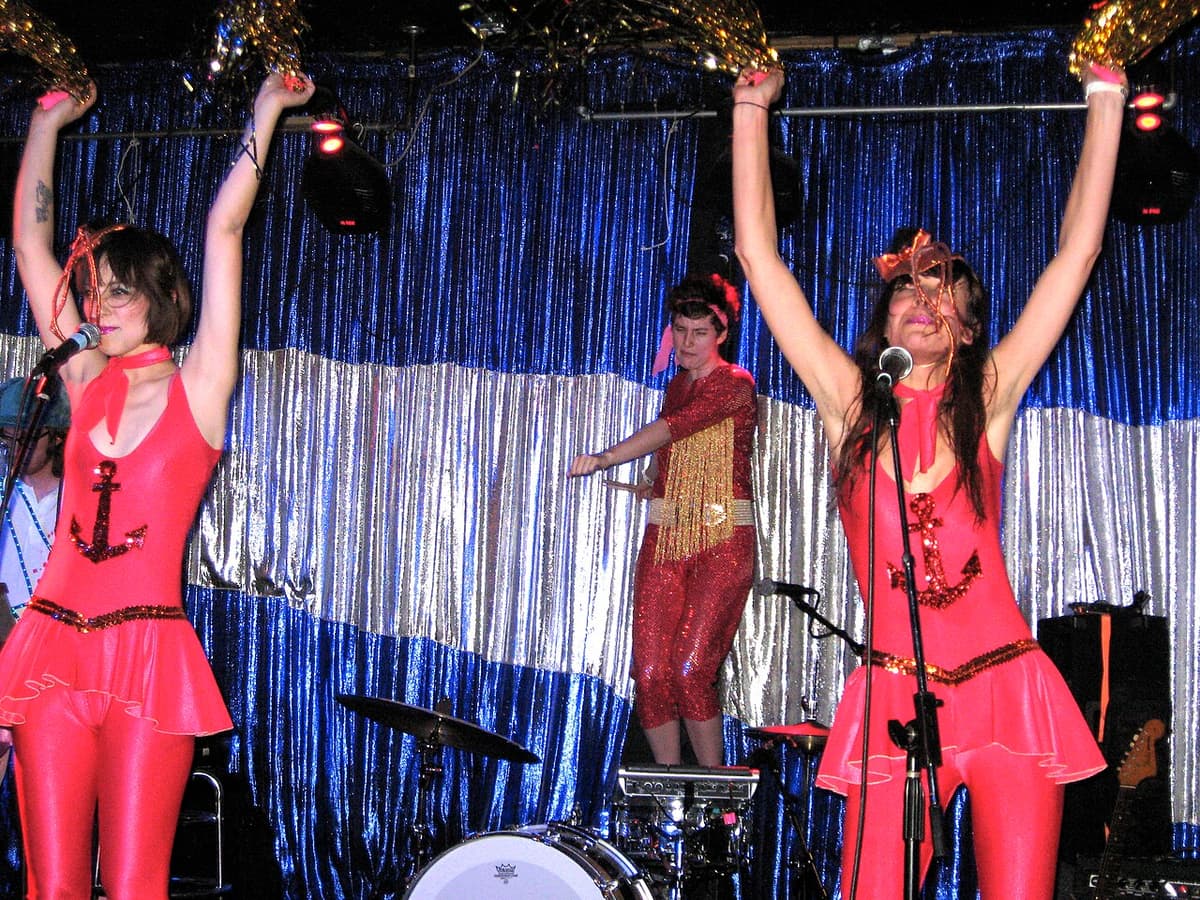
Avenue D (Debbie Attias and Daphne Gomez-Mena) were pivotal figures in the early 2000s electroclash movement, bridging the gap between Miami's freestyle heritage and New York City's gritty performance art scene. Emerging as protégés of Larry Tee, they epitomized the DIY ethos of the era, famously self-producing and distributing home-burned CDs even as they achieved international cult status.
Their sound is characterized by a minimalist fusion of 808-heavy hip-hop, new wave synth melodies, and sexually explicit, satirical lyrics. While often grouped with Peaches or Miss Kittin, Avenue D maintained a more 'street' and lo-fi aesthetic, eschewing high-fashion polish for a raw, bedroom-produced sound. Despite their 2007 breakup, their influence persists in the lineage of 'trash-pop' and feminist electronic music. They remain a case study in independent success, having sold 50,000 records worldwide through sheer club presence and underground word-of-mouth, solidifying their place as the raucous, uninhibited queens of the electroclash basement.
Shares defiant, playful, confident (moods); dance-pop, pop rap (subgenres)
Shares lo_fi, bedroom_production, drum_machine (production style); playful, rebellious, energetic (moods)
Shares playful, rebellious, confident (moods); dance-pop, new wave (subgenres)
Shares playful, rebellious, energetic (moods); lo_fi, bedroom_production, drum_machine (production style)
Shares playful, rebellious, confident (moods); basement_show, urban_night, dive_bar (atmosphere)
Shares playful, rebellious, confident (moods); basement_show, urban_night, dive_bar (atmosphere)
Shares playful, rebellious, confident (moods); basement_show, urban_night, dive_bar (atmosphere)
Shares electroclash, bedroom_production, dance-pop, rebellious (signature)
Shares electroclash, new wave, spoken_word, dance-pop (signature)
Cassette uses generative AI to enrich its catalog. How we use AI →