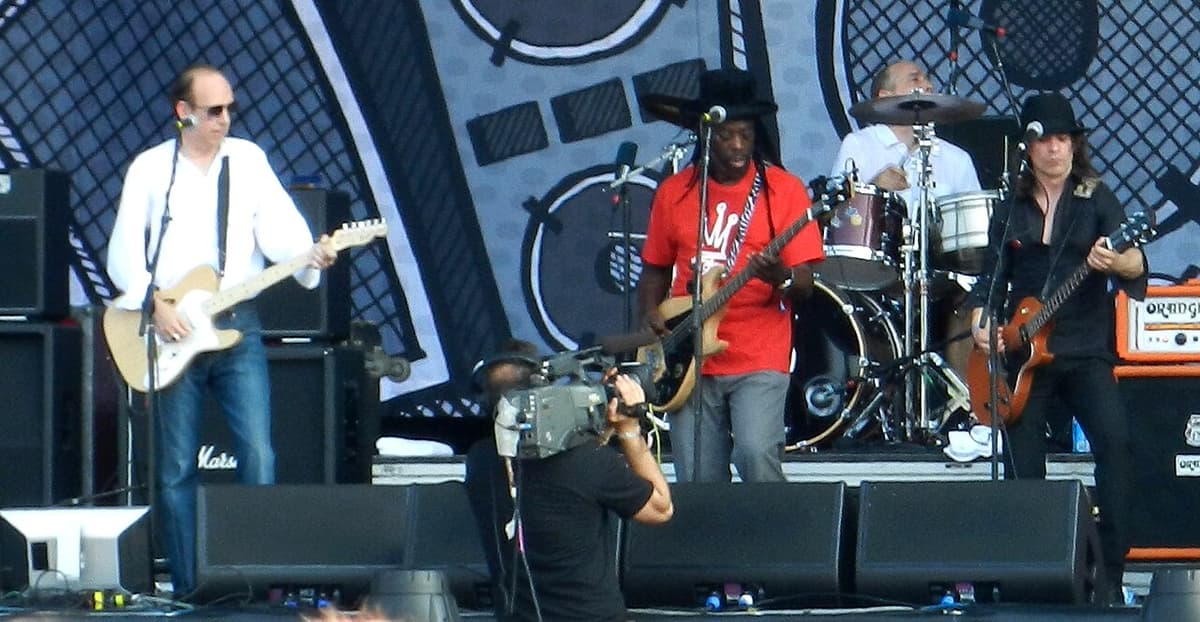
Big Audio Dynamite
Gritty urban grooves where spaghetti western guitars meet early hip-hop samples. A high-energy collage of punk attitude and dancefloor rhythms for city nights.
Gritty urban grooves where spaghetti western guitars meet early hip-hop samples. A high-energy collage of punk attitude and dancefloor rhythms for city nights.
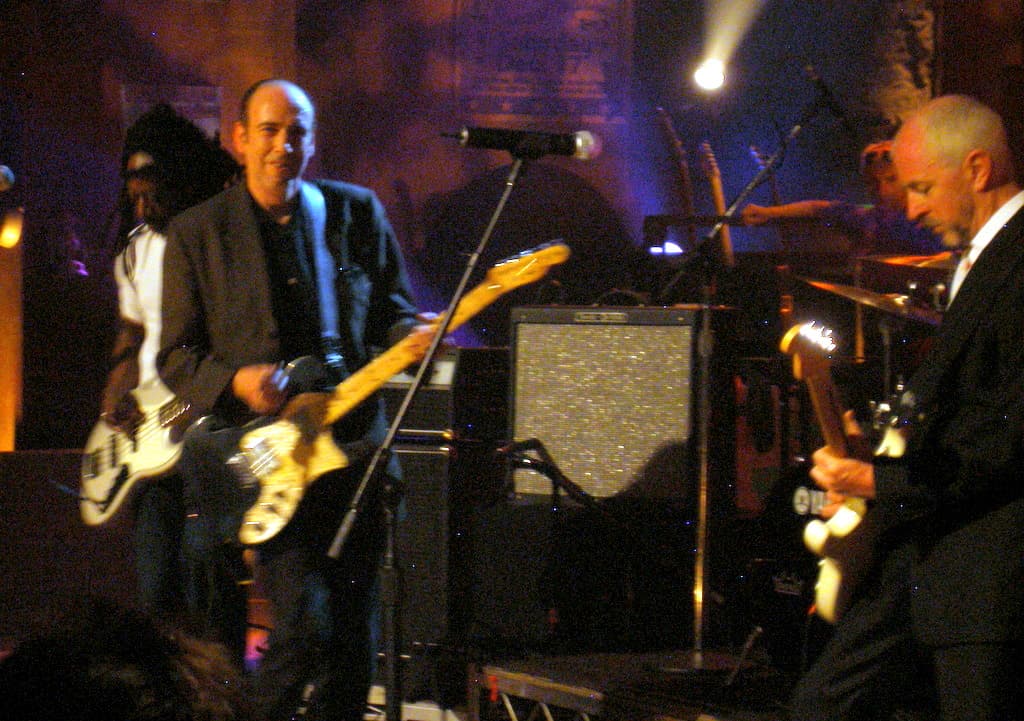
D.) represents the second act of Mick Jones following his 1983 dismissal from The Clash.
Formed in 1984 with filmmaker Don Letts, the group was a radical departure from punk orthodoxy, serving as a pioneer in the 'alternative dance' space. Their sound identity is defined by a 'cut-and-paste' aesthetic, utilizing E-mu Emulator samplers to integrate movie dialogue (notably from Sergio Leone films) and sound effects into a mix of reggae, hip-hop, and funk. This approach predated the widespread use of sampling in mainstream rock. D. II, which yielded the global hit 'The Globe.' Culturally, they are positioned as the bridge between the political grit of the 1970s UK underground and the sample-heavy electronic experimentation of the 1990s. Critical consensus views them as visionaries who successfully predicted the genre-fluid nature of modern pop. Their influence is felt in the work of Gorillaz, LCD Soundsystem, and the broader Britpop movement.
Shares energetic, playful, confident (moods); alternative rock, dance-pop (subgenres)
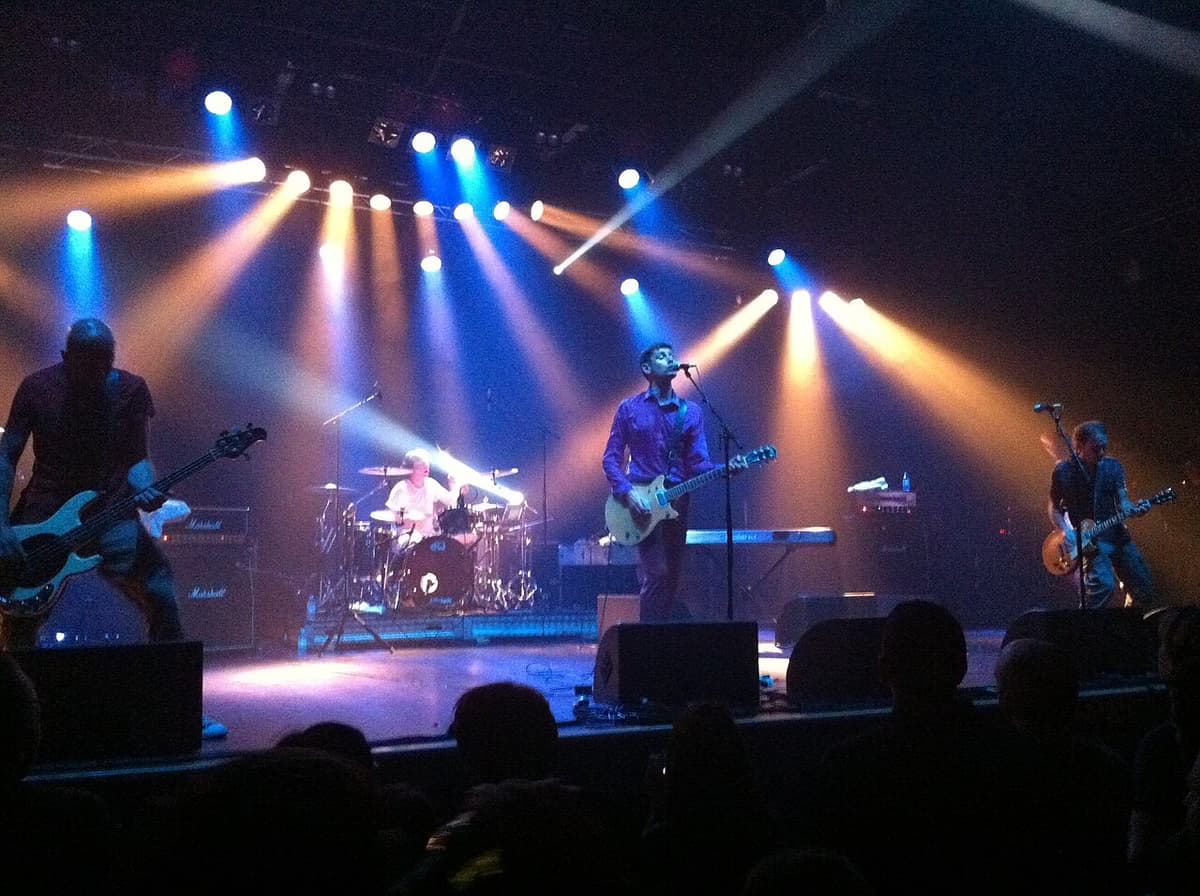
Shares energetic, confident, playful (moods); electric guitar, drum machine, sampler (instrumentation)
Shares energetic, playful, confident (moods); deadpan, nasal, harmonized (vocal style)
Shares dance-pop, alternative rock (subgenres); playful, energetic, nostalgic (moods)
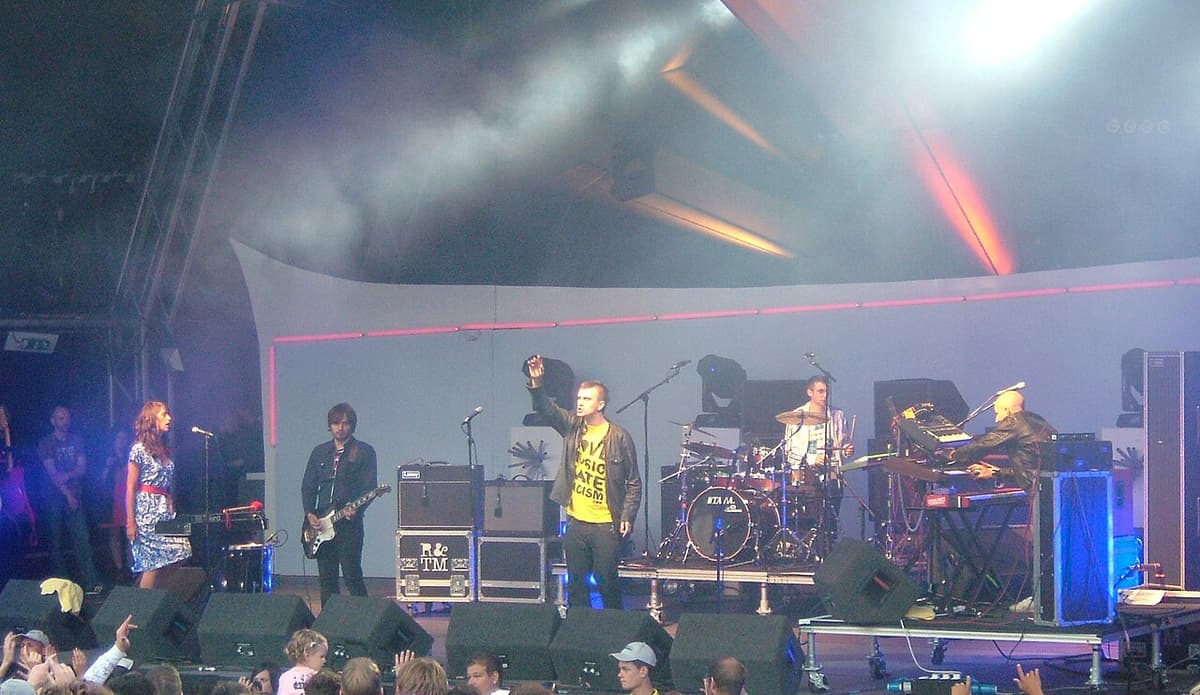
Shares layered_dense, drum_machine, analog_warmth (production style); energetic, playful, confident (moods)
Shares energetic, playful, confident (moods); urban_night, dive_bar, road_trip (atmosphere)
Shares dance-pop, rebellious, alternative rock, sample_based (subgenre)
Cassette uses generative AI to enrich its catalog. How we use AI →