Bloc Party
Angular guitars and hyperactive drums meet urban anxiety. It is the sound of a city that never sleeps and a mind that won't shut off. High-energy indie with a pulse.
Angular guitars and hyperactive drums meet urban anxiety. It is the sound of a city that never sleeps and a mind that won't shut off. High-energy indie with a pulse.
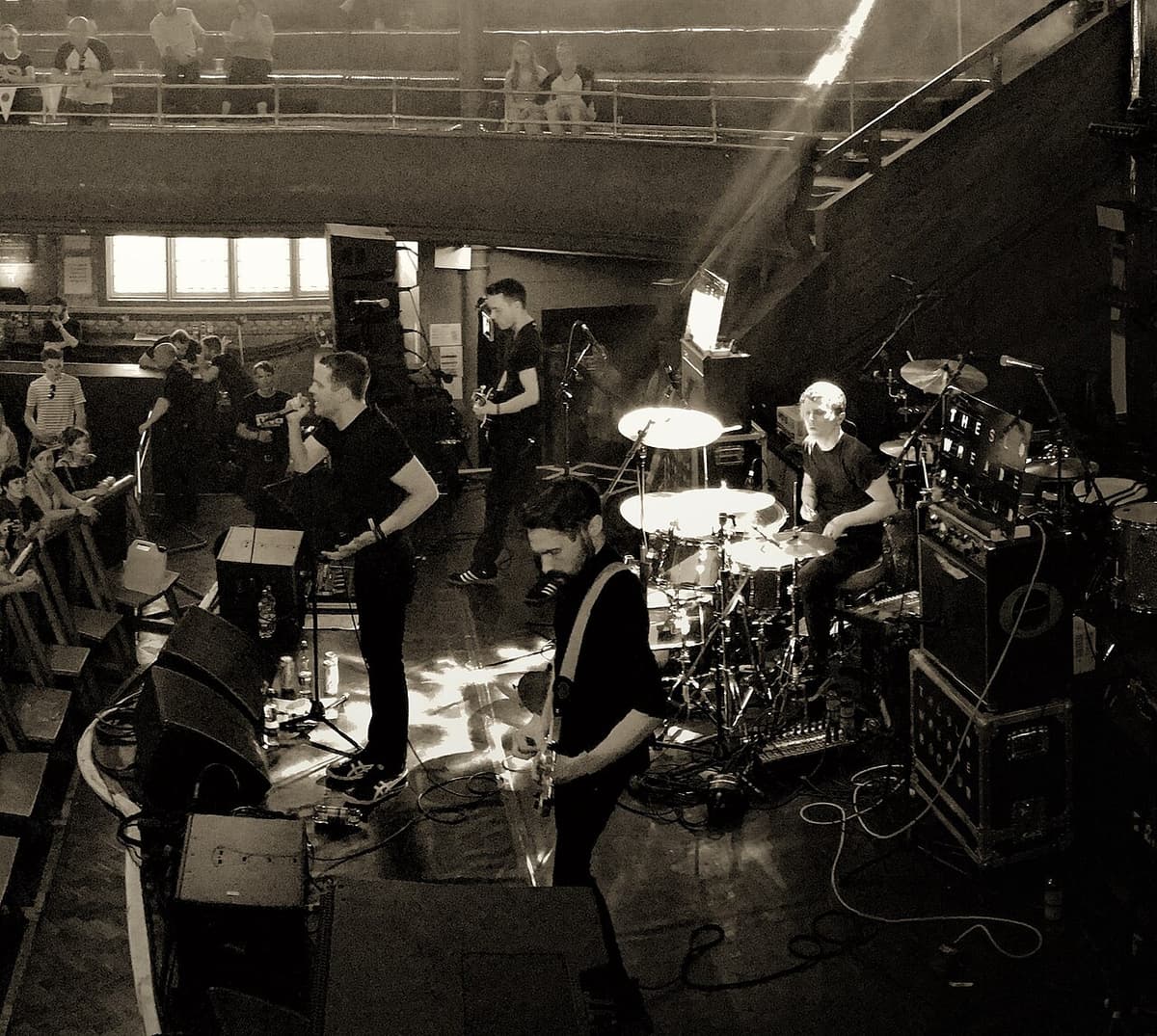
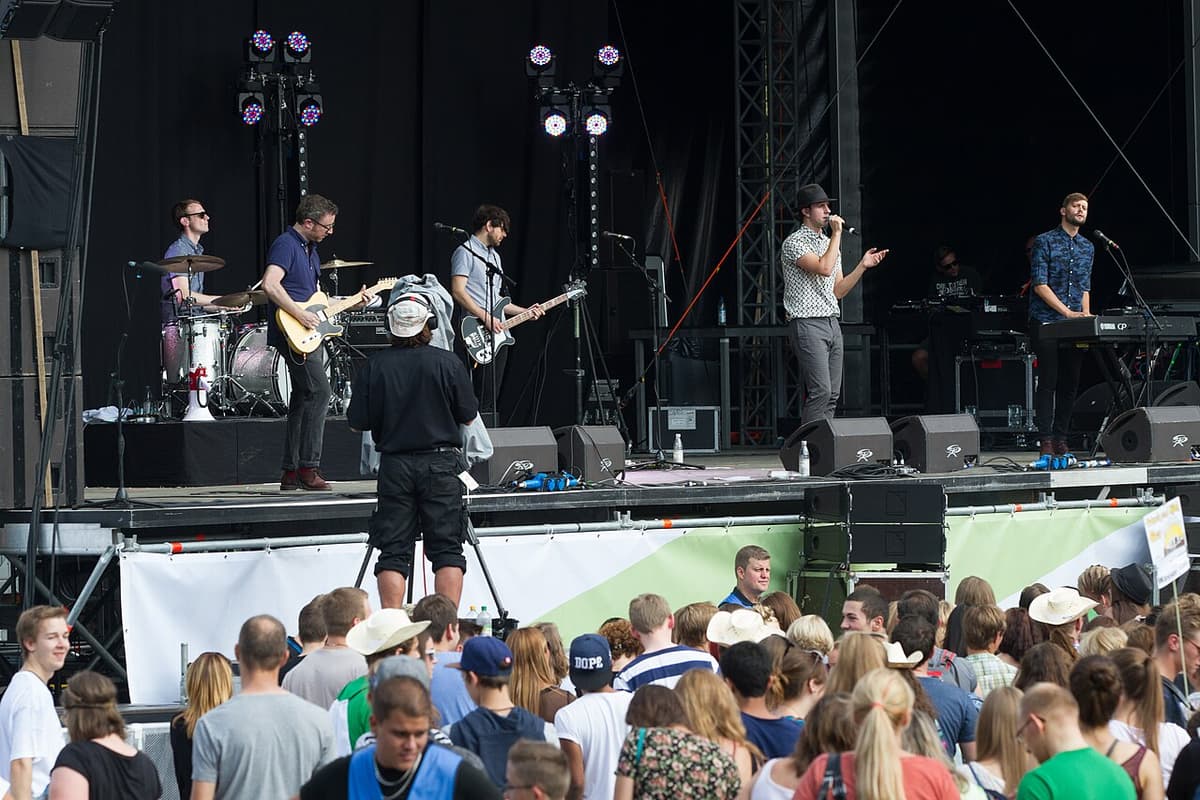
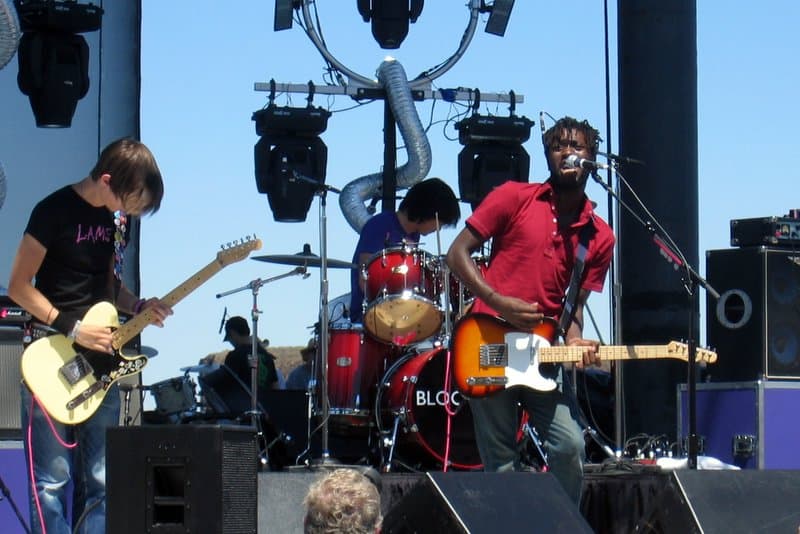
Bloc Party emerged as a pivotal force in the mid-2000s post-punk revival, though they quickly distinguished themselves through a sophisticated blend of art-punk and dance-rock. Formed in London in 1999, the core partnership of Kele Okereke and Russell Lissack created a sound characterized by intricate, delay-heavy guitar interplay and a rhythm section that prioritized high-tempo, syncopated urgency.
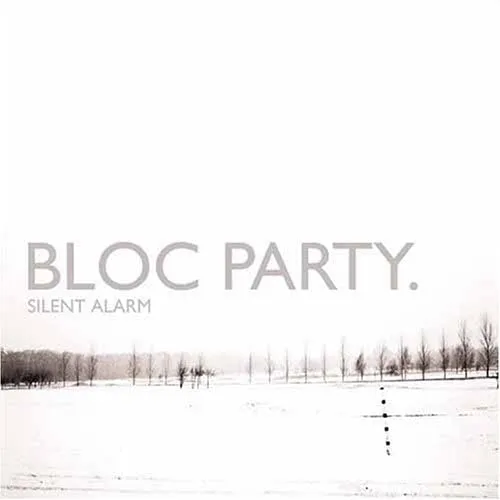
Their debut, 'Silent Alarm' (2005), is widely regarded as a masterpiece of the era, merging the jagged edges of Gang of Four with the melodic sensibilities of Britpop. Over their career, the band has evolved significantly, incorporating elements of house, R&B, and electronica, particularly on albums like 'Intimacy'. While the lineup has shifted, with the departure of the original rhythm section (Matt Tong and Gordon Moakes), the band's identity remains rooted in Okereke's socially conscious, often anxious lyricism and Lissack's signature pedal-driven textures. They occupy a unique space between the moody atmosphere of Interpol and the danceable energy of Franz Ferdinand, influencing a generation of indie bands with their technical precision and emotional intensity.
Shares anxious, urgent, melancholic (moods); indie rock (subgenres)
Shares studio_polished, reverb_heavy, layered_dense (production style); indie rock (subgenres)
Shares indie rock (subgenres); urgent, melancholic, tense (moods)
Shares layered_dense, studio_polished, digital_clarity (production style); urban_night, basement_show, festival (atmosphere)
Shares indie rock (subgenres); energetic, urgent, restless (moods)
Shares layered_dense, studio_polished, digital_clarity (production style); urban_night, basement_show, festival (atmosphere)
Shares angular guitar interplay, tense, urgent, indie rock (detail)
Cassette uses generative AI to enrich its catalog. How we use AI →