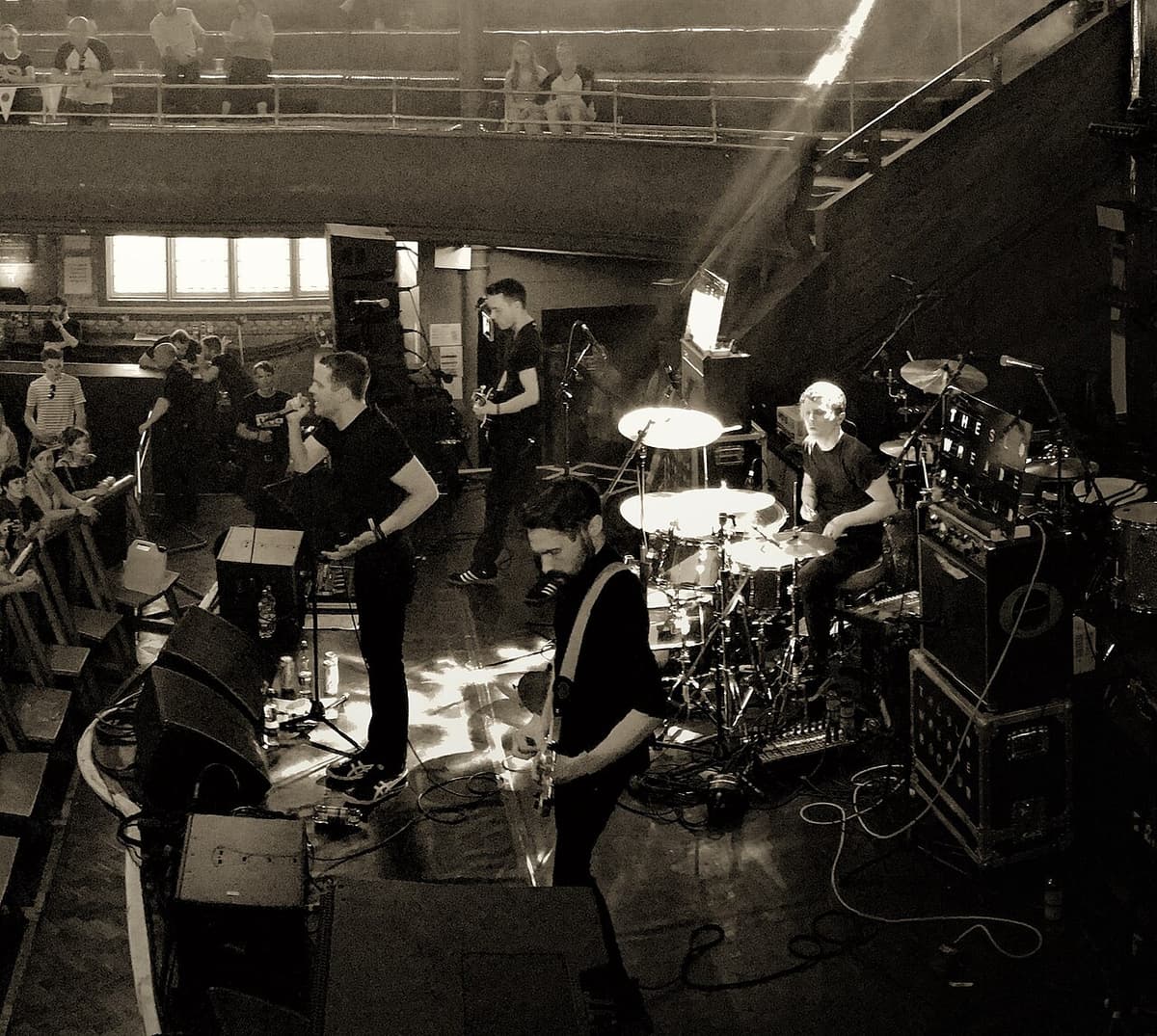
The Slow Readers Club
Driving post-punk rhythms meet dark synth-pop melodies. Anthemic, brooding, and intensely rhythmic music for late night city walks and introspective moments.
Driving post-punk rhythms meet dark synth-pop melodies. Anthemic, brooding, and intensely rhythmic music for late night city walks and introspective moments.
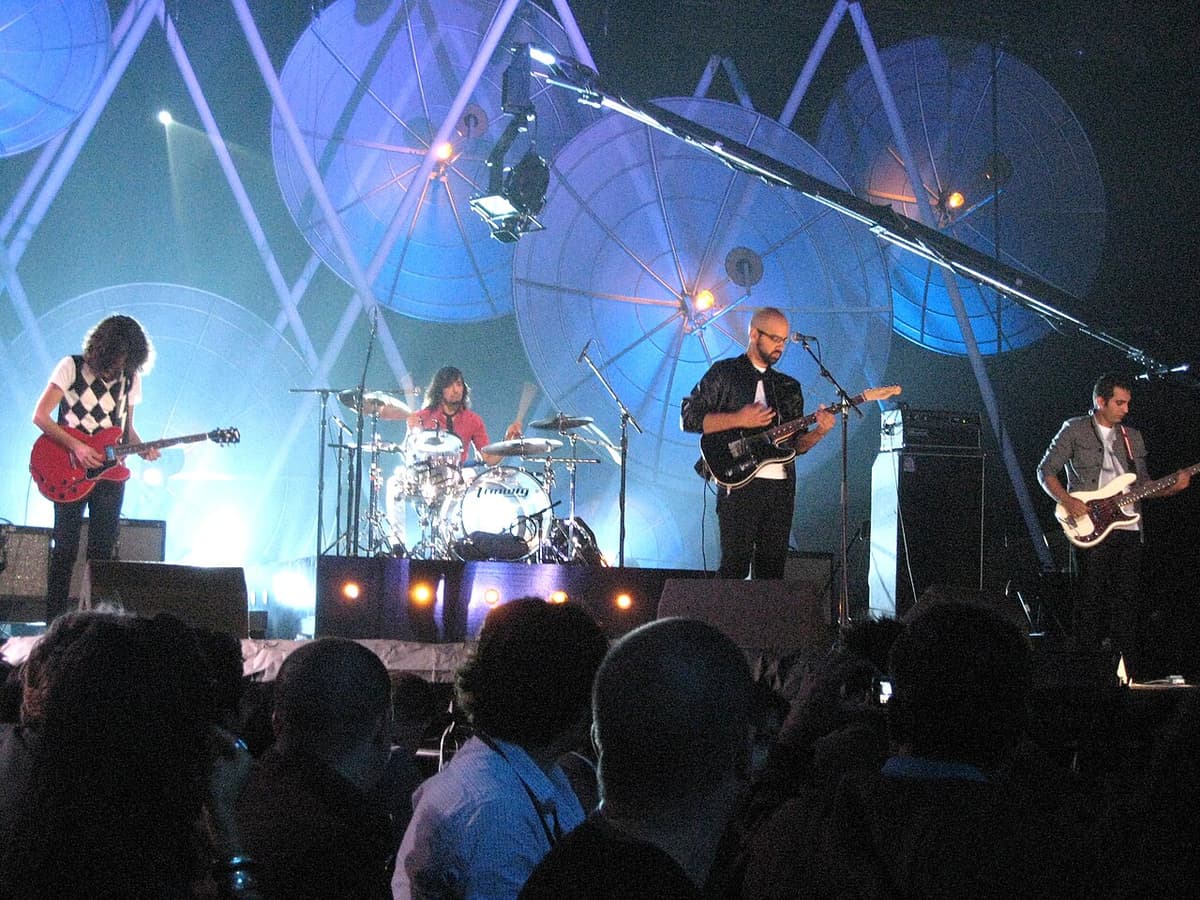
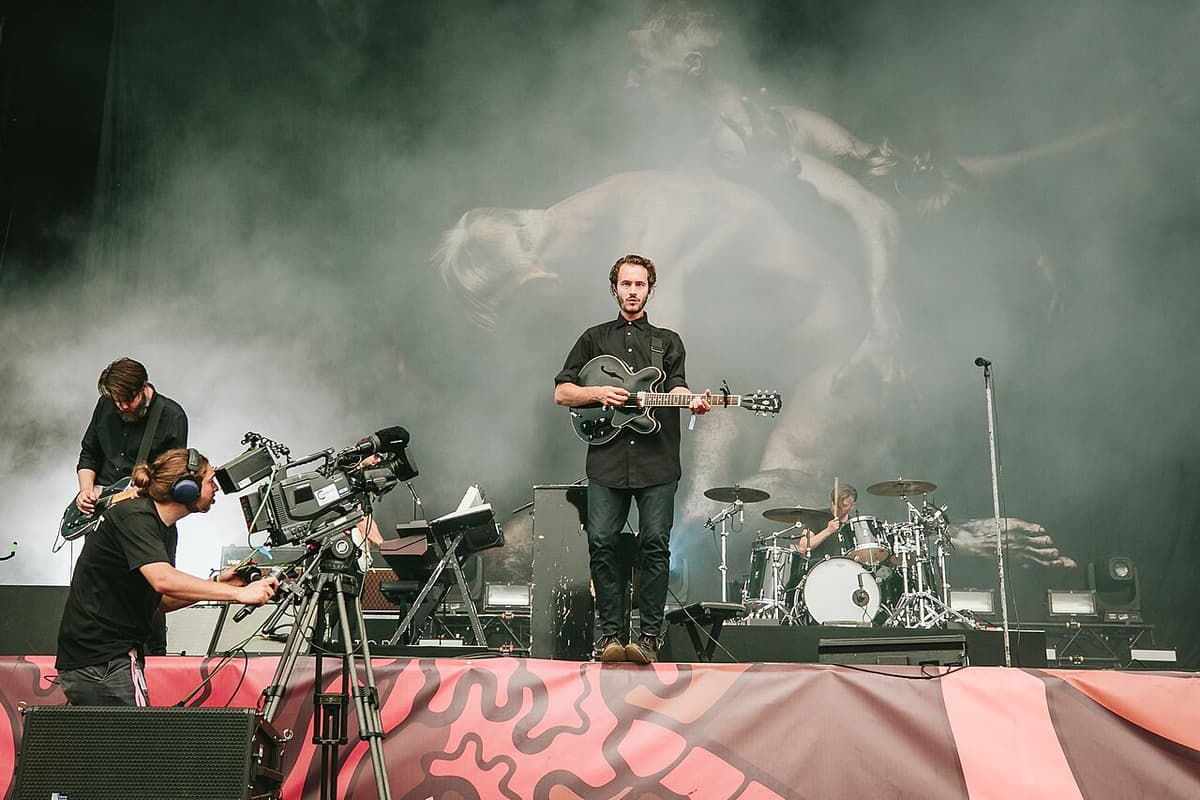
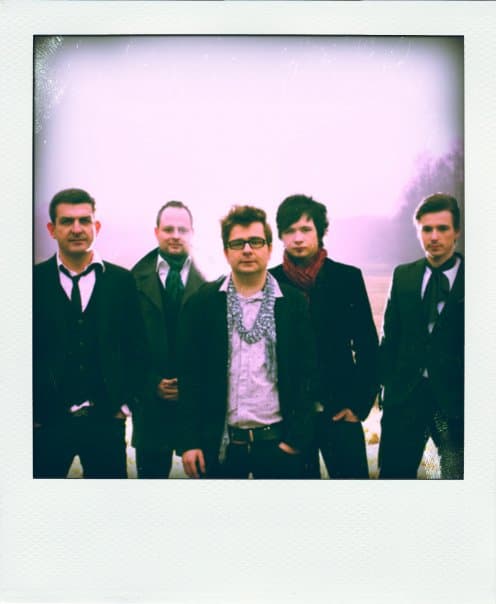
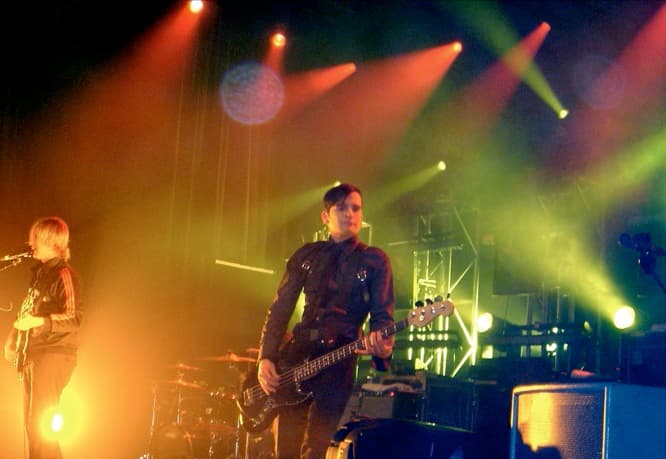
The Slow Readers Club are a Manchester-based quartet that emerged from the ashes of the indie band Omerta. Since their formation in 2009, they have evolved from a traditional indie-rock outfit into a sophisticated blend of post-punk revival and dark synth-pop.
Their sound identity is defined by a 'tightness' in the rhythm section, drawing heavily from the Manchester lineage of Joy Division and New Order, but filtered through the anthemic sensibilities of The Killers and Interpol. Their career trajectory is a notable example of a slow-burn success, building a fanatical grassroots following through relentless touring and word-of-mouth before achieving significant UK chart success with 'Build a Tower' and 'The Joy of the Return'. Critically, they are praised for their ability to maintain an 'indie' spirit while producing music with the scale and polish of stadium rock. They occupy a unique cultural space as a 'fan's band,' often cited for their deep connection with a loyal audience that identifies with their themes of isolation, resilience, and existential reflection.
Shares studio_polished, reverb_heavy, layered_dense (production style); urban_night, rainy_day, basement_show (atmosphere)
Shares indie rock, alternative rock (subgenres); brooding, melancholic, urgent (moods)
Shares studio_polished, layered_dense, digital_clarity (production style); indie rock, synth-pop, alternative rock (subgenres)
Shares baritone, deadpan, intense (vocal style); studio_polished, layered_dense, reverb_heavy (production style)
Shares brooding, defiant, melancholic (moods); layered_dense, digital_clarity, reverb_heavy (production style)

Shares studio_polished, layered_dense, digital_clarity (production style); urban_night, rainy_day, basement_show (atmosphere)
Shares post-punk revival, tense, urgent, indie rock (signature)
Cassette uses generative AI to enrich its catalog. How we use AI →