Cobalt
Visceral, tribal black metal that trades occult tropes for raw human grit. It feels like a long, dusty drive toward a nervous breakdown. Intense and deeply rhythmic.
Visceral, tribal black metal that trades occult tropes for raw human grit. It feels like a long, dusty drive toward a nervous breakdown. Intense and deeply rhythmic.
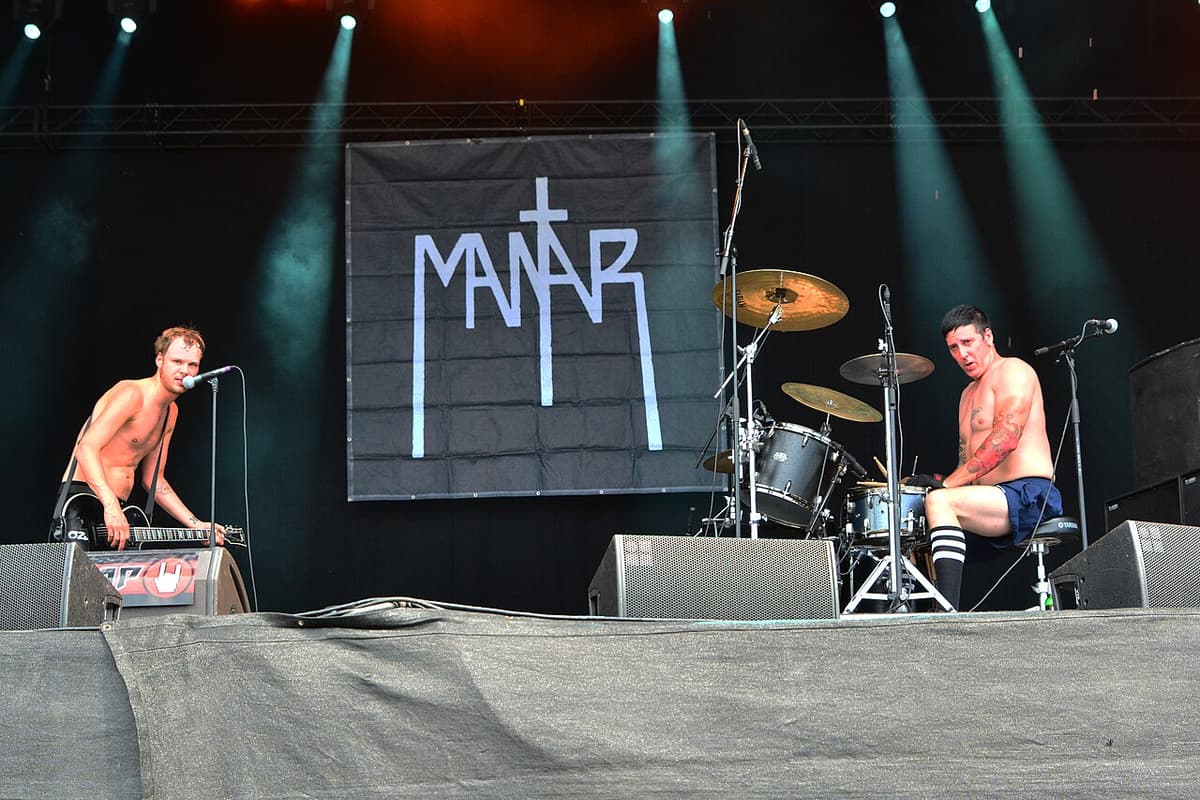
Cobalt is a pivotal entity in the United States Black Metal (USBM) scene, primarily operating as a duo consisting of multi-instrumentalist Erik Wunder and a rotating cast of vocalists (most notably Phil McSorley and later Charlie Fell). Formed in Greeley, Colorado, the band evolved from the raw, shape-shifting brutality of 'War Metal' into a sophisticated, avant-garde force. Their sound identity is defined by Wunder's unique drumming style, which incorporates tribal and jazz-influenced flourishes into a blackened sludge framework. This rhythmic focus has led to frequent comparisons to Tool, though Cobalt's aesthetic is far more abrasive and nihilistic.
Their 2007 album 'Eater of Birds' marked a significant shift toward long-form, atmospheric compositions influenced by Neurosis and Swans, even featuring a guest appearance by Jarboe. The follow-up, 'Gin' (2009), solidified their critical standing, earning widespread acclaim for its intensity and thematic focus on human fragility and war. After a long hiatus and the departure of McSorley, the band returned with 'Slow Forever' in 2016, a double album that pushed their progressive tendencies to the limit. Cobalt remains a bridge between the underground black metal world and the broader experimental metal landscape, influencing the 'blackened everything' movement of the 2010s.
Shares avant-garde jazz, post-metal, black metal, progressive metal (subgenre)
Shares tribal drumming patterns, sludge metal, drums, post-metal (detail)
Shares sludge metal, post-metal, black metal, spoken_word (signature)
Shares avant-garde jazz, post-metal, black metal, progressive metal (subgenre)
Shares sludge metal, post-metal, desert, cathartic (signature)
Shares post-metal, sludge metal, black metal, mountain (subgenre)
Shares sludge metal, post-metal, black metal, screaming (signature)
Cassette uses generative AI to enrich its catalog. How we use AI →