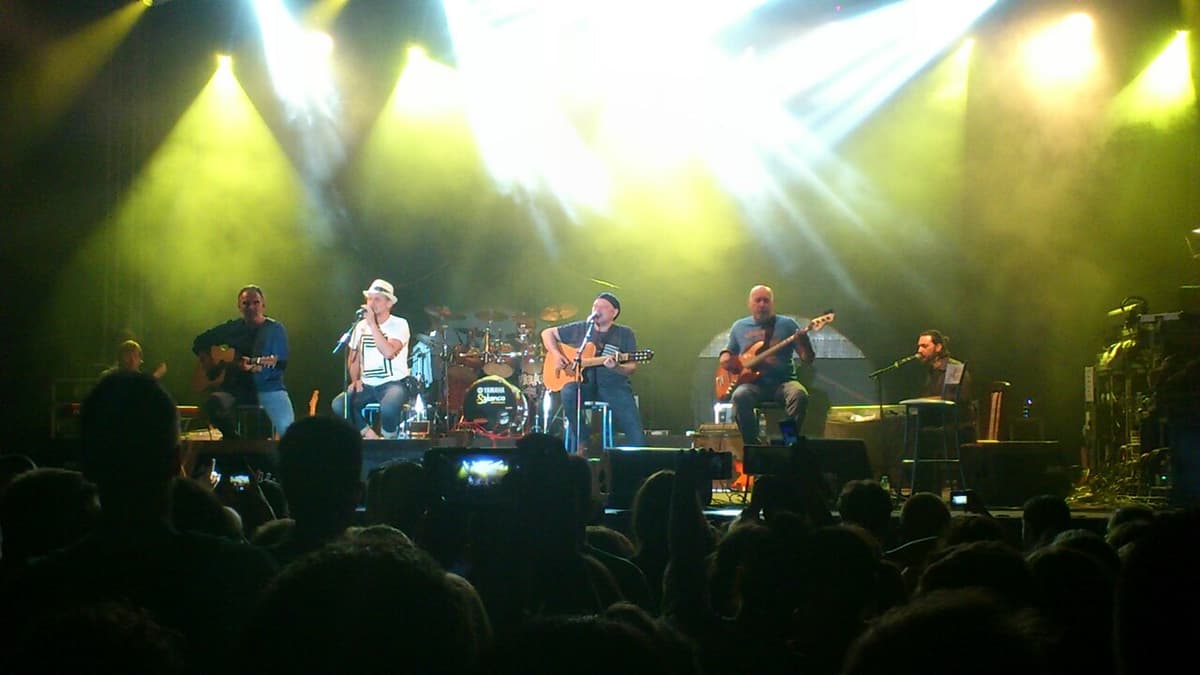
Galija
Warm, harmonica-laced rock that balances progressive ambition with soulful Balkan melodies. The sound of nostalgia for a time and place that no longer exists.
Warm, harmonica-laced rock that balances progressive ambition with soulful Balkan melodies. The sound of nostalgia for a time and place that no longer exists.
Galija sounds like the golden hour of Yugoslav rock. Their music is built on a foundation of warm analog production, where Nenad Milosavljević's distinctive baritone and soulful harmonica leads create a sense of grounded, earthy wisdom. It is rock music that feels lived-in, blending the structural complexity of 70s prog with the melodic accessibility of 80s pop-rock, all filtered through a uniquely Balkan emotional lens.
What truly sets them apart is the interplay between the Milosavljević brothers and their ability to evolve. They moved from the sprawling, nautical-themed progressive epics of their early years into a sophisticated, politically aware rock trilogy that defined the late 80s. Their sound is characterized by lush arrangements, often featuring prominent acoustic guitars and synthesizers that add a cinematic depth to their storytelling.
To understand Galija, start with the album 'Daleko je sunce' or the hit 'Digni ruku'. These tracks capture their transition into a more anthemic, socially conscious sound while retaining the melodic warmth that made them staples of the Ex-Yu scene. It is music for those who appreciate rock that has both a brain and a very large, slightly bruised heart.
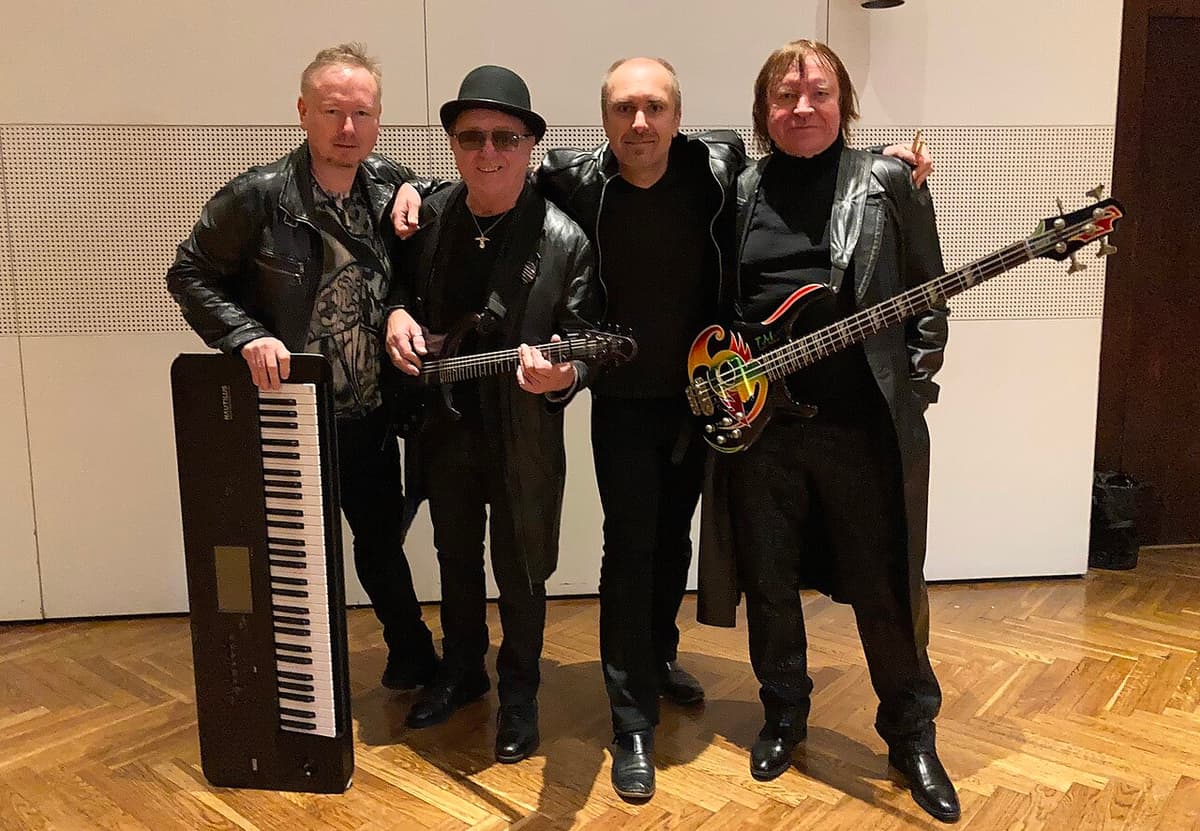
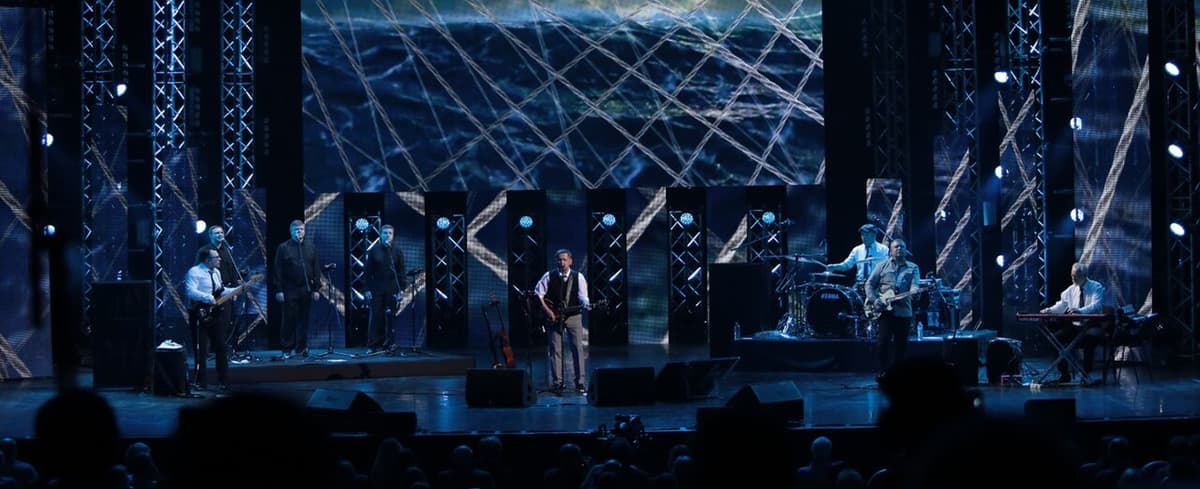
Galija (Serbian Cyrillic: Галија; lit. 'Galley') is a Serbian and Yugoslav rock band formed in Niš in 1977. The central figures of the group are brothers Nenad Milosavljević (vocals, acoustic guitar, harmonica) and Predrag Milosavljević (vocals), the two and the drummer Boban Pavlović being the mainstay members of the band. Galija's initial releases were progressive rock-oriented, but in the mid-1980s the band moved towards more mainstream rock sound to large commercial success. At the time of Galija formation, Nenad Milosavljević had already gained the attention of Yugoslav public as singer-songwriter. The group released their debut album Prva plovidba in 1979, featuring Predrag Milosavljević as guest vocalist. With the release of their second album Druga plovidba in 1980, Predrag Milosavljević became the group's official member. The band managed to gain a loyal fanbase and score several hits, before switching to mainstream rock sound in mid-1980s. The arrival of guitarist Jean Jacques Roskam and multi-instrumentalist Bratislav "Bata" Zlatković, alongside collaboration with poet Radoman Kanjevac–who would replace Predrag Milosavljević as the band's principal lyricist–resulted in the album trilogy consisting of Daleko je Sunce (1988), Korak do slobode (1989) and Istorija, ti i ja (1991). The albums, featuring multi-layered and politically provocative lyrics, achieved critical acclaim and commercial success, the group entering the 1990s as one of the most popular Serbian bands. In mid-1990s, the band's association with the ruling Socialist Party of Serbia led to criticism coming from sizable part of rock fans and music press. Predrag Milosavljević left the band in 1995, and the group went on hiatus in late 1990s. Galija returned to the scene in mid-2000s, with the lineup featuring both of Milosavljević brothers, remaining one of the top acts of the Serbian rock scene since.
Shares progressive rock, classic rock, art rock (subgenres); analog warmth, studio polished, orchestral arrangement (production style)
Shares progressive rock, classic rock, art rock (subgenres); analog warmth, studio polished, orchestral arrangement (production style)
Shares analog warmth, studio polished, orchestral arrangement (production style); classic rock, art rock, pop rock (subgenres)
Shares progressive rock, classic rock, pop rock (subgenres); analog warmth, studio polished, live recording (production style)
Shares progressive rock, classic rock, pop rock (subgenres); baritone, harmonized, raspy (vocal style)
Shares progressive rock, classic rock, art rock (subgenres); analog warmth, live recording, studio polished (production style)
Shares classic rock, art rock, pop rock (subgenres); analog warmth, studio polished, live recording (production style)
Shares progressive rock, art rock, pop rock (subgenres); nostalgic, melancholic, contemplative (moods)
Shares analog warmth, studio polished, orchestral arrangement (production style); baritone, harmonized, raspy (vocal style)
Shares baritone, harmonized, raspy (vocal style); analog warmth, studio polished, live recording (production style)
Cassette uses generative AI to enrich its catalog. How we use AI →


