Budka Suflera
Gritty baritone vocals meet lush synthesizers and bluesy rock riffs. Epic, melancholic Polish anthems for late night drives and deep reflection.
Gritty baritone vocals meet lush synthesizers and bluesy rock riffs. Epic, melancholic Polish anthems for late night drives and deep reflection.
Budka Suflera sounds like the emotional weight of a changing era. Their music is defined by the massive, gravelly presence of Krzysztof Cugowski's voice, which carries a rare operatic power balanced by a world-weary grit. Behind him, the arrangements are thick with warm analog synthesizers and Hammond organs, creating a sound that feels both grounded in 70s blues-rock and elevated by cinematic, progressive ambitions.
What truly sets them apart is their mastery of the 'rock epic.' They don't just write songs; they build emotional monuments. Romuald Lipko's compositions often start with a quiet, synth-driven tension that slowly expands into soaring, triumphant choruses. There is a specific brand of Polish melancholy here, a sense of longing and existential weight that feels deeply tied to the landscape and history of Central Europe.
For the uninitiated, start with their 1975 debut 'Cień wielkiej góry' to hear their progressive roots, then jump to the 1997 smash 'Nic nie boli, tak jak życie.' You will hear the evolution from experimental art-rockers to the definitive architects of the Polish stadium ballad, maintaining their soul even as the production grew more polished.
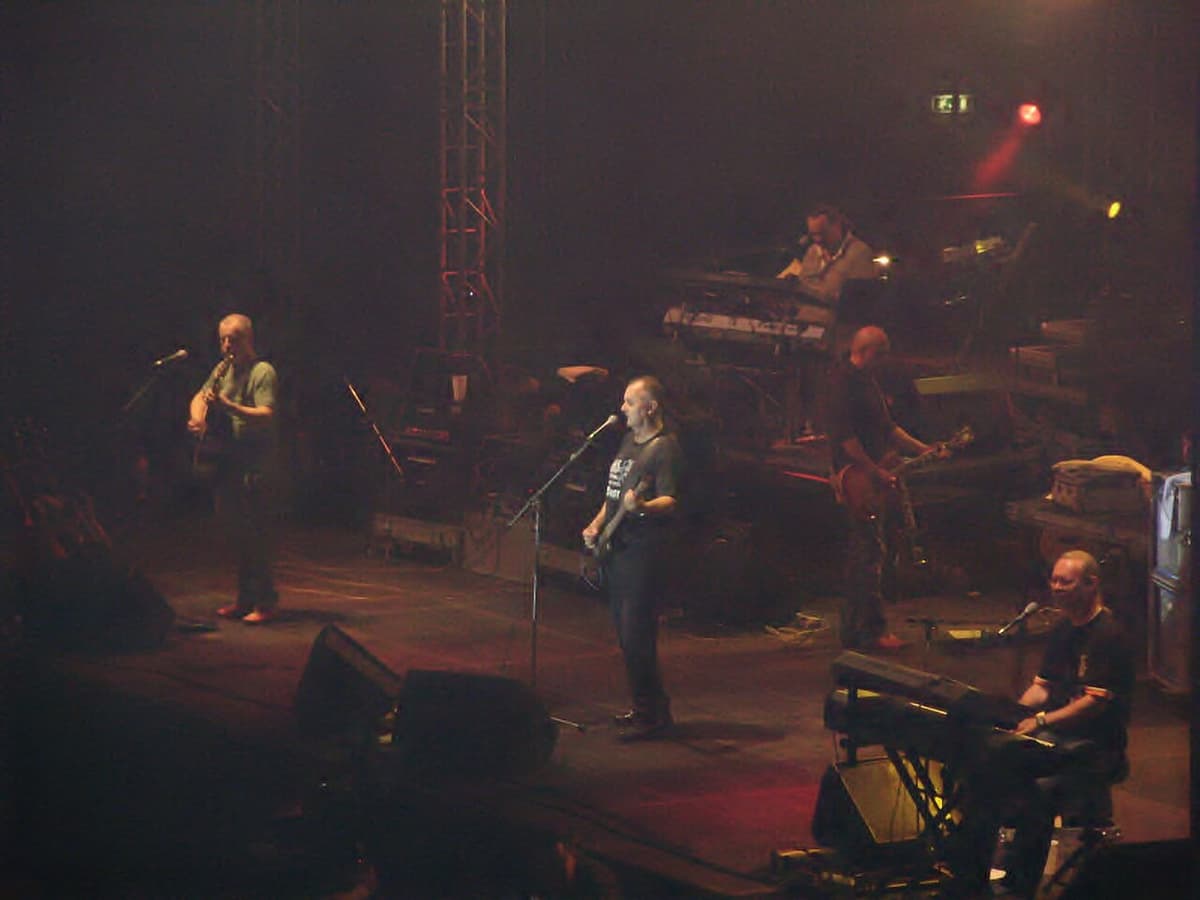
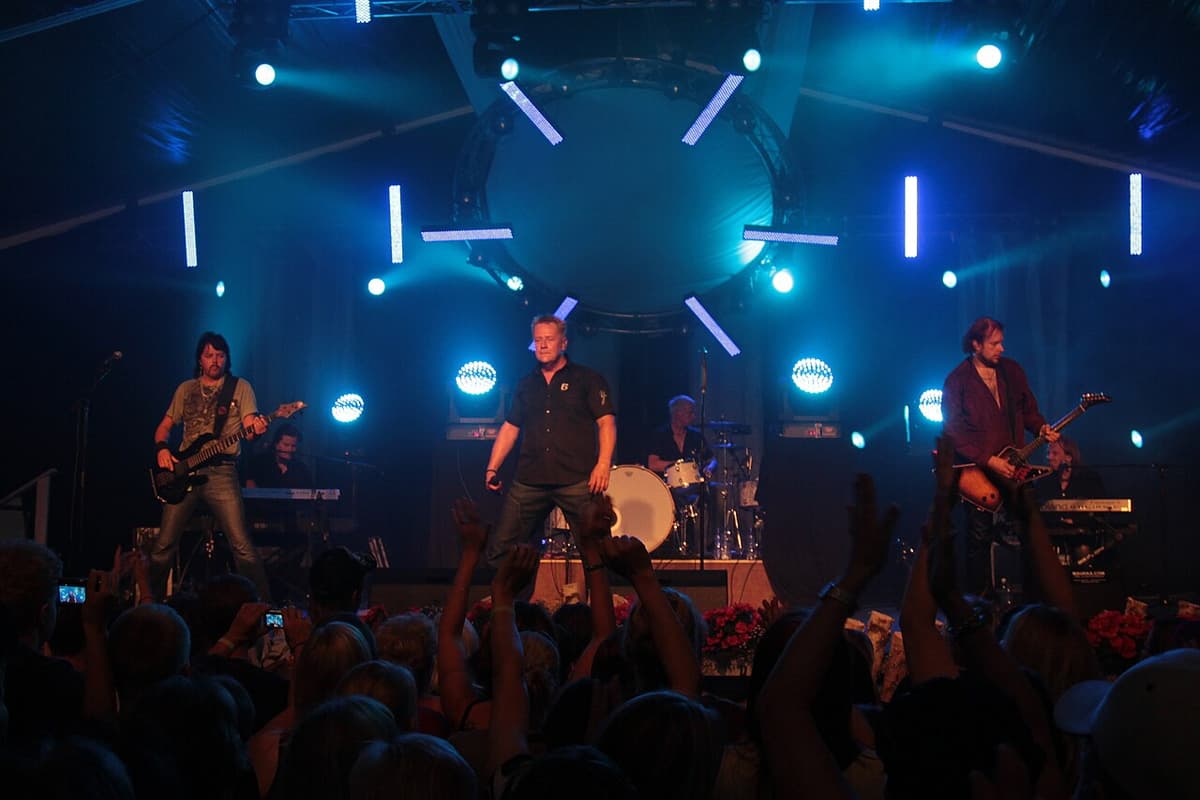
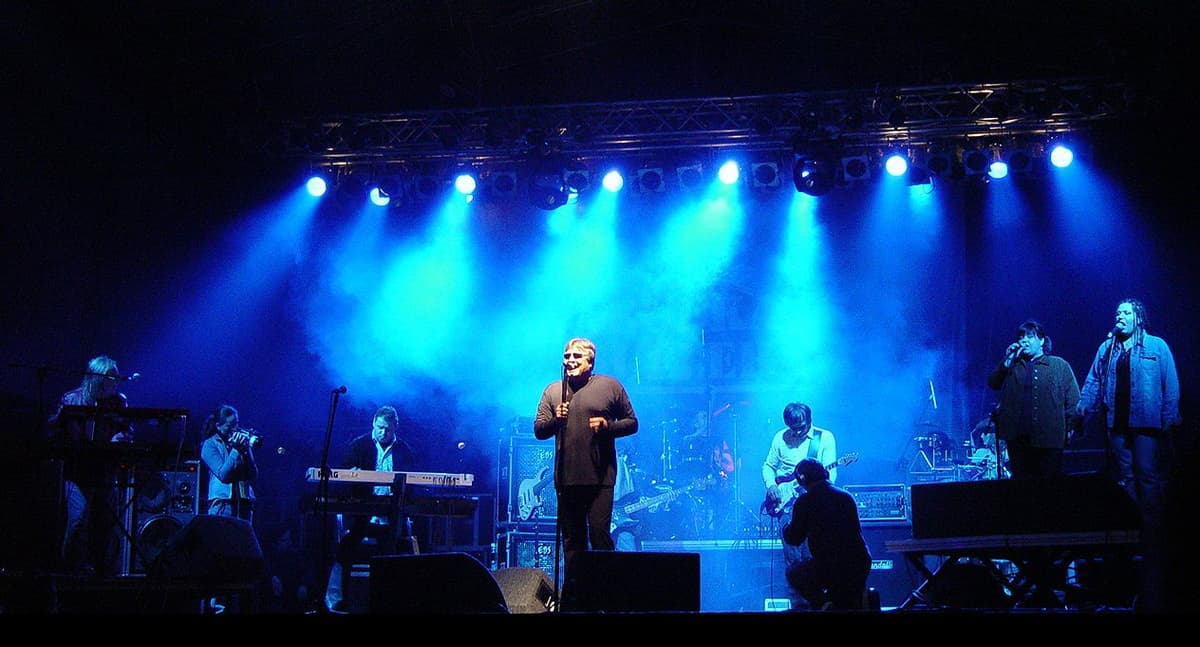
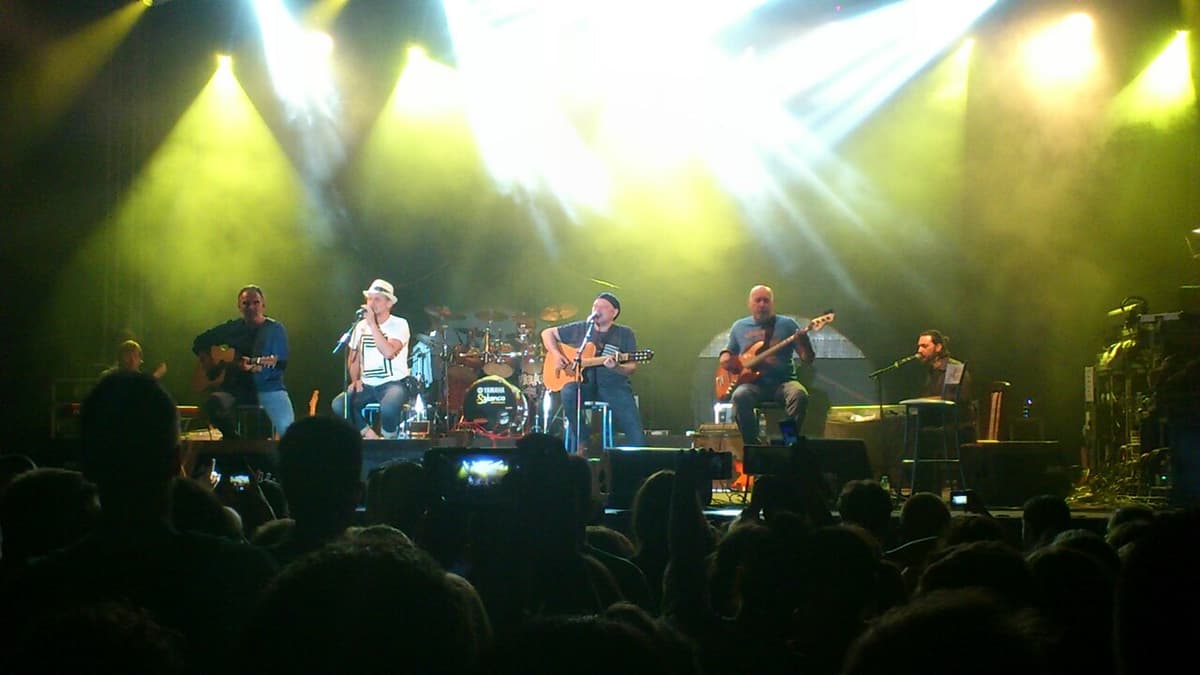
Budka Suflera (Polish pronunciation: ['butka su'flɛra], "prompter's box") is a Polish rock band which was started in 1969 in Lublin by Krzysztof Cugowski. Although they disbanded soon after, Cugowski and Romuald Lipko reformed the band in 1974 and were active until 2014. The next reunion occurred in 2019. Budka Suflera – a Polish rock band founded in Lublin in 1974 by: Romuald Lipko (Association of All Virtues), Krzysztof Cugowski, Andrzej Ziółkowski (Association of All Virtues).
Shares progressive rock, classic rock, art rock (subgenres); analog warmth, studio polished, orchestral arrangement (production style)
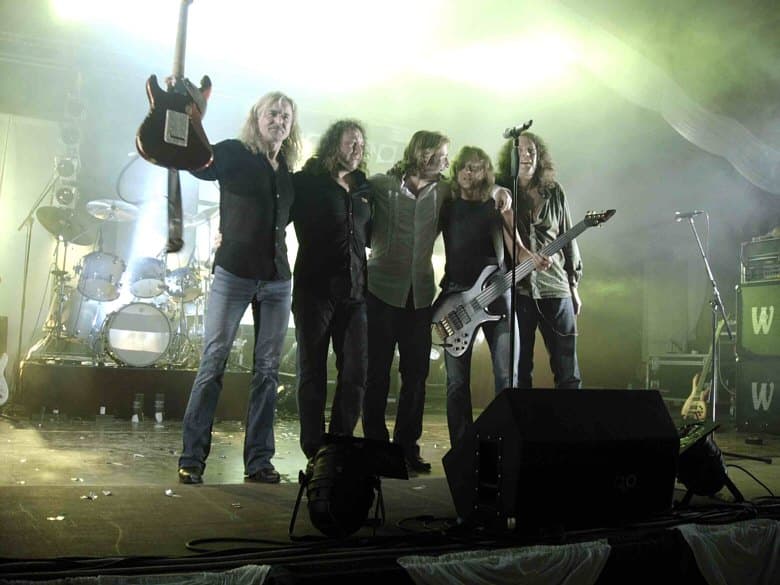
Shares progressive rock, art rock, classic rock (subgenres); analog warmth, studio polished, orchestral arrangement (production style)
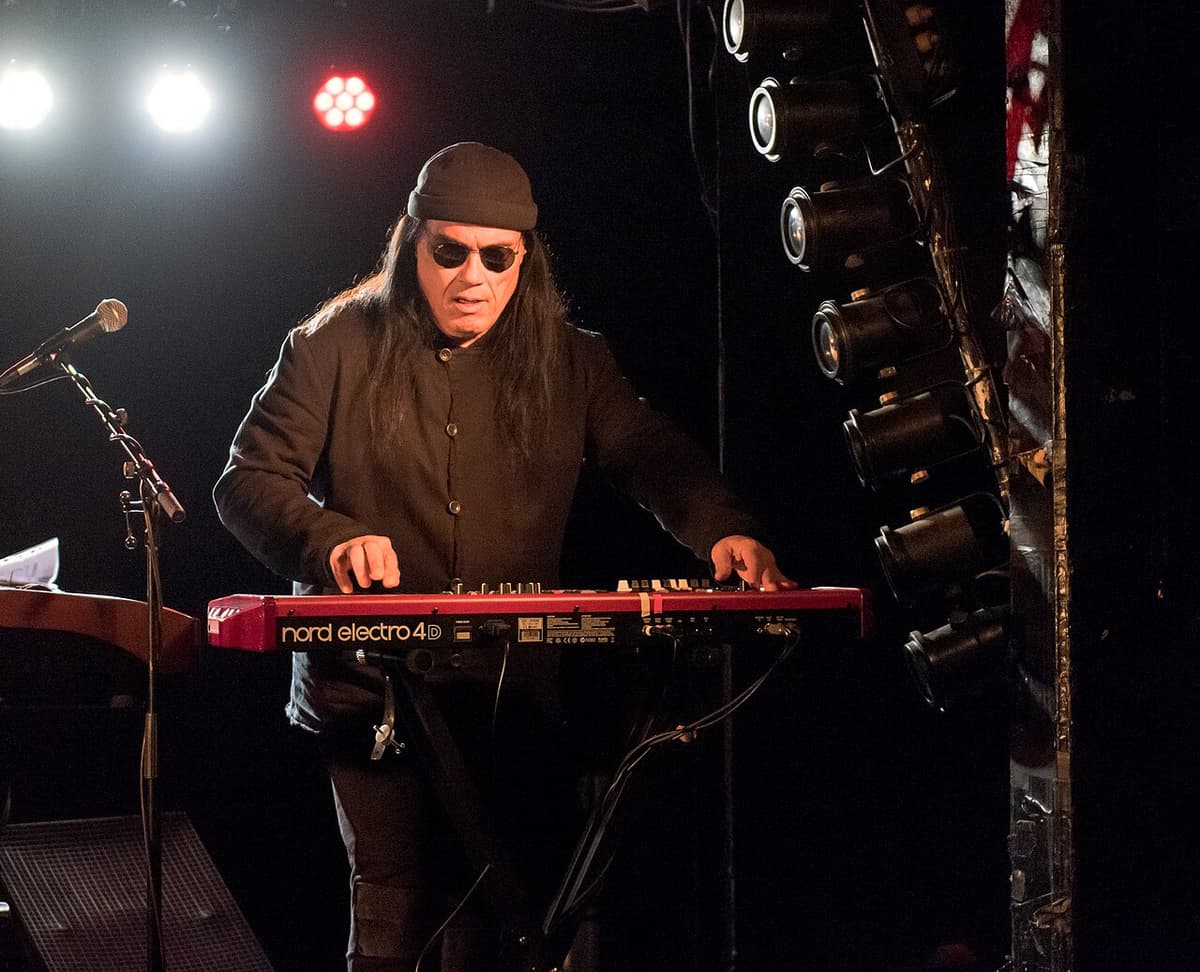
Shares progressive rock, classic rock, art rock (subgenres); analog warmth, studio polished, reverb heavy (production style)
Shares art rock, progressive rock, classic rock (subgenres); analog warmth, studio polished (production style)
Shares classic rock, pop rock, progressive rock (subgenres); analog warmth, studio polished, orchestral arrangement (production style)
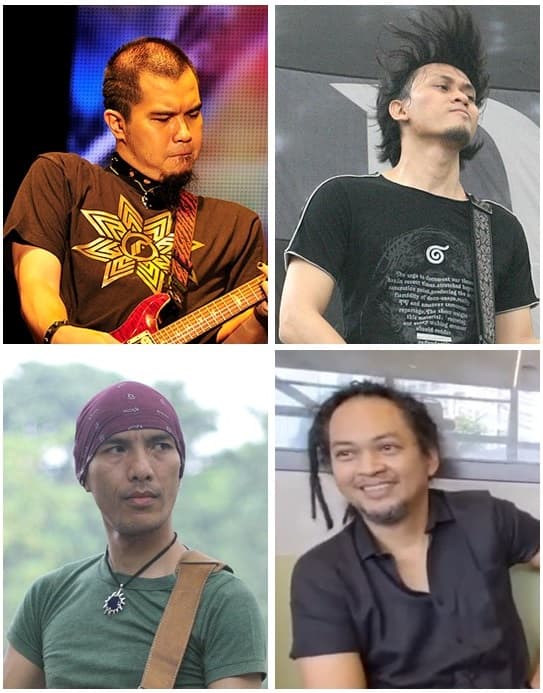
Shares melancholic, triumphant, nostalgic (moods); analog warmth, studio polished, orchestral arrangement (production style)
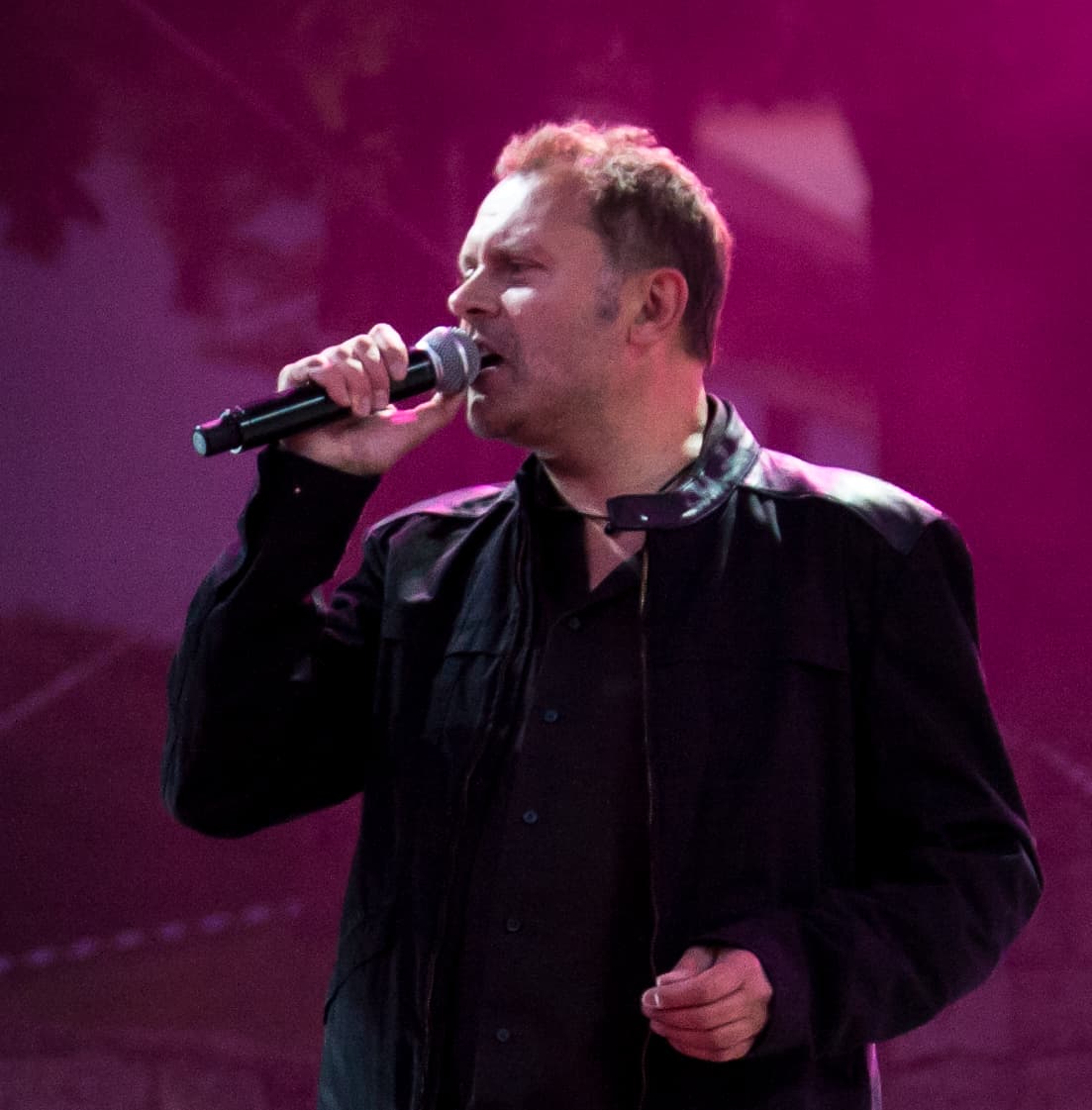
Shares analog warmth, studio polished, orchestral arrangement (production style); progressive rock, classic rock, art rock (subgenres)
Shares analog warmth, studio polished, reverb heavy (production style); classic rock, pop rock, soft rock (subgenres)
Cassette uses generative AI to enrich its catalog. How we use AI →