Gary Burton
Crystalline vibraphone textures and intricate four-mallet harmonies. Sophisticated, airy jazz that feels like sunlight reflecting off a calm lake.
Crystalline vibraphone textures and intricate four-mallet harmonies. Sophisticated, airy jazz that feels like sunlight reflecting off a calm lake.
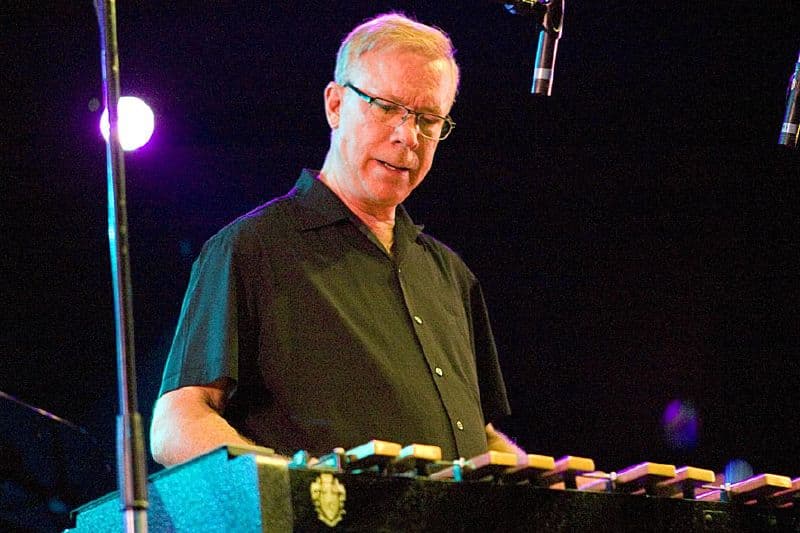
Gary Burton is a foundational figure in modern jazz, credited with reinventing the vibraphone through his 'Burton Grip' four-mallet technique. This innovation allowed him to play chords and complex counterpoint, effectively moving the instrument into a role previously reserved for the piano. Emerging in the early 1960s, he quickly transitioned from sideman for Stan Getz to a leader who challenged jazz orthodoxies. His 1967 album 'Duster' is frequently cited as a seminal moment in the birth of jazz fusion, incorporating elements of rock and country long before the genre became a commercial juggernaut.
Burton's career is marked by his extraordinary eye for talent and his dedication to the duet format. He was instrumental in launching the careers of Pat Metheny, John Scofield, and Larry Coryell, establishing a 'Burton school' of jazz guitar characterized by melodic fluidity and harmonic sophistication. His long-standing partnership with Chick Corea, particularly on the ECM label, defined the 'chamber jazz' aesthetic: pristine, intimate, and technically demanding. Beyond performance, his three-decade tenure at Berklee College of Music solidified his influence on generations of improvisers. Critically, he is viewed as a bridge-builder who successfully synthesized jazz, classical, and pop sensibilities into a singular, crystalline sound identity.
Cassette uses generative AI to enrich its catalog. How we use AI →