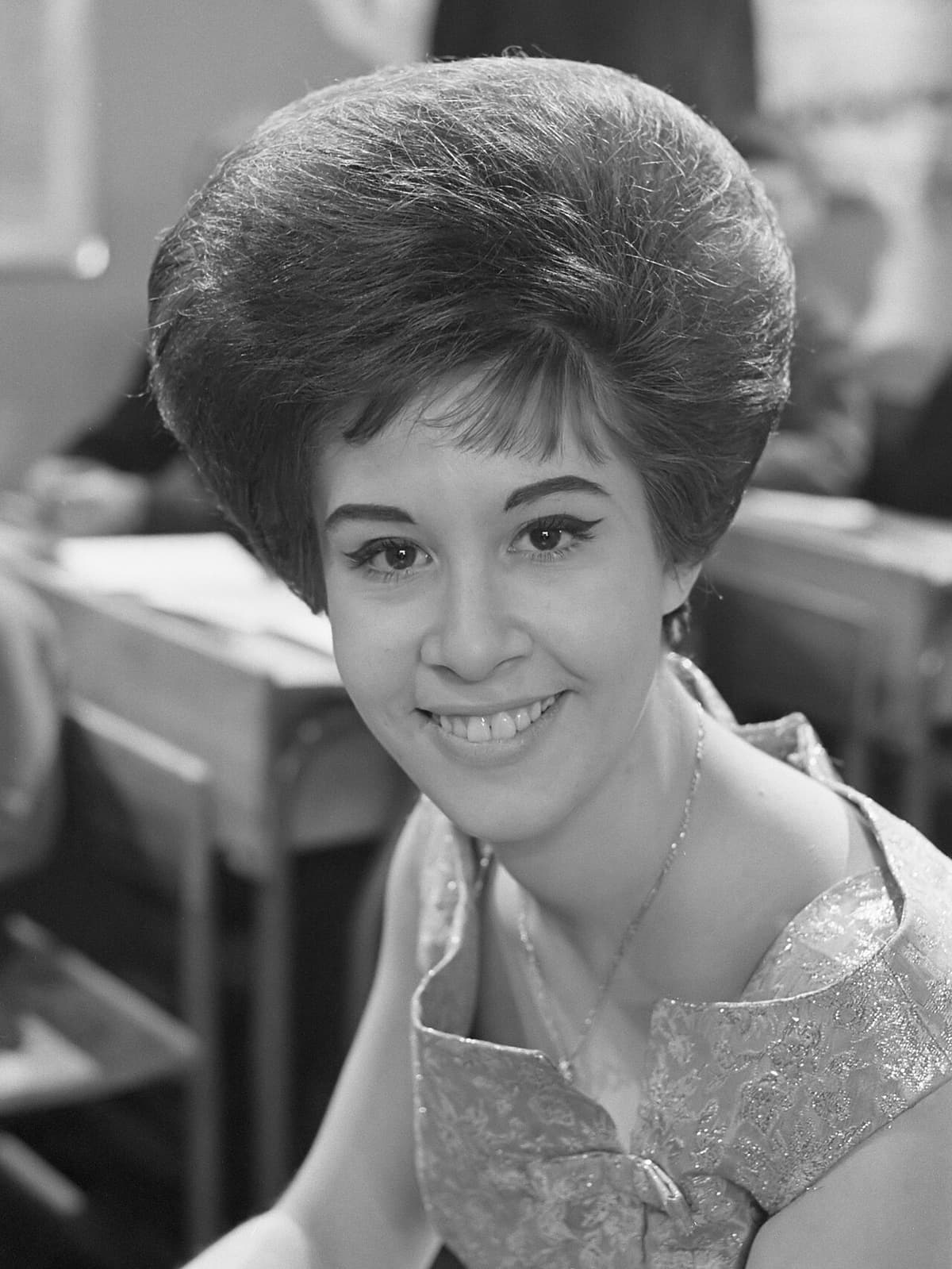
Helen Shapiro
Deep, authoritative vocals that defy her teenage years. Polished 1960s British pop with a sophisticated jazz undercurrent and brassy, upbeat energy.
Deep, authoritative vocals that defy her teenage years. Polished 1960s British pop with a sophisticated jazz undercurrent and brassy, upbeat energy.
Listening to Helen Shapiro is a masterclass in vocal cognitive dissonance. You hear a voice that sounds like a seasoned jazz chanteuse who has seen it all, yet the lyrics and the bouncy orchestral arrangements belong to a fourteen-year-old girl in the early 1960s. It is the sound of the 'Trad' era meeting the birth of modern pop, characterized by rich alto tones and impeccably tight studio musicianship.
What truly sets Shapiro apart is her 'foghorn' resonance. While her contemporaries were often pushed toward breathy or high-pitched 'ingenue' styles, Shapiro anchored her hits with a heavy, soulful weight. Her phrasing is disciplined and rhythmic, owing as much to the swing era as it does to the burgeoning rock and roll movement, creating a sound that feels both youthful and strangely ancient.
Start with 'Walkin' Back to Happiness' for the definitive upbeat Shapiro experience, then move to 'You Don't Know' to hear the emotional depth of her lower register. For those interested in her later evolution, her recordings with Humphrey Lyttelton reveal her true standing as a formidable jazz vocalist who never lost her technical precision.
Helen Kate Shapiro (born 28 September 1946) is a British pop and jazz singer and actress. While still a teenager in the early 1960s, she was one of Britain's most successful female singers. With a voice described by AllMusic as possessing "the maturity and sensibilities of someone far beyond their teen years", Shapiro recorded two 1961 UK chart toppers, "You Don't Know" and "Walkin' Back to Happiness", when she was just 14 years old. Shapiro first achieved prominence in 1961 when her debut single, "Don't Treat Me Like a Child", reached number three on the UK Singles Chart. Her success continued in 1962 with further hits including "Tell Me What He Said" and film appearances in Play It Cool and It's Trad, Dad! In 1963, Shapiro toured with the Beatles, who were her supporting act. Since the 1970s, she has branched out as a performer in musical theatre and jazz; she appeared in the West End and toured extensively with the British jazz trumpeter Humphrey Lyttelton and his band.
Shares traditional pop, vocal jazz, swing (subgenres); sunday morning, coffee shop, urban night (atmosphere)
Shares traditional pop, vocal jazz, swing (subgenres); orchestral arrangement, studio polished, analog warmth (production style)
Shares orchestral arrangement, studio polished, analog warmth (production style); traditional pop, vocal jazz (subgenres)
Shares traditional pop, vocal jazz, swing (subgenres); studio polished, analog warmth, orchestral arrangement (production style)
Shares traditional pop, vocal jazz, swing (subgenres); sunday morning, coffee shop (atmosphere)
Shares joyful, nostalgic, confident (moods); studio polished, analog warmth, orchestral arrangement (production style)
Shares traditional pop, vocal jazz, swing (subgenres); orchestral arrangement, studio polished, analog warmth (production style)
Shares traditional pop, vocal jazz, swing (subgenres); joyful, nostalgic, confident (moods)
Shares traditional pop, vocal jazz, swing (subgenres); analog warmth, orchestral arrangement, live recording (production style)
Shares swing, britpop, vocal jazz, traditional pop (subgenre)
Shares swing, vocal jazz, traditional pop, sunday morning (subgenre)
Cassette uses generative AI to enrich its catalog. How we use AI →