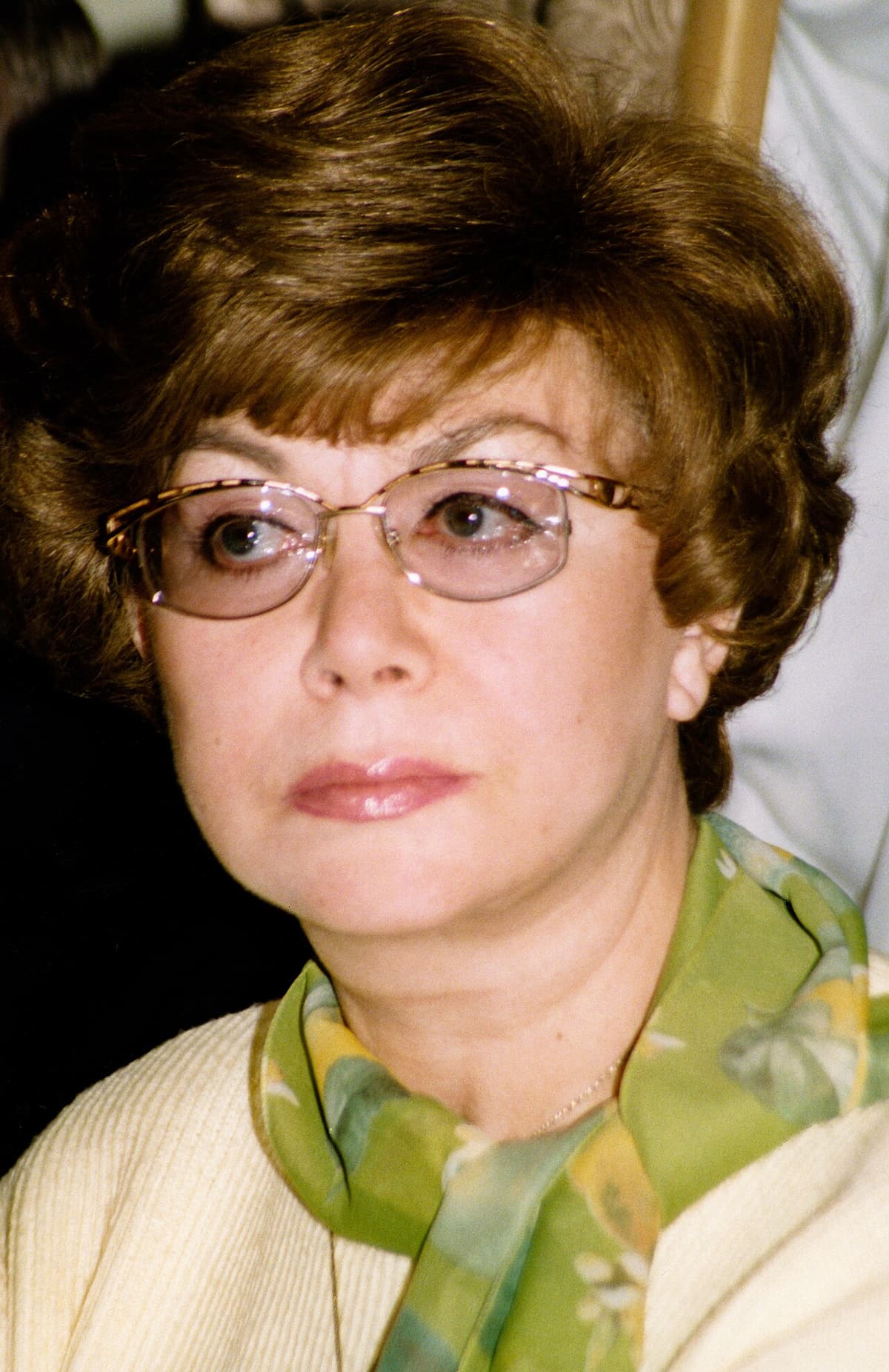
Эдита Пьеха
Elegant Soviet-era pop with a velvet alto voice and a playful, jazzy swing. It feels like a sunny afternoon in a 1960s European capital.
Elegant Soviet-era pop with a velvet alto voice and a playful, jazzy swing. It feels like a sunny afternoon in a 1960s European capital.
Edita Piekha is the sound of sophisticated mid-century optimism. Her music carries a unique cosmopolitan flair, blending the structured elegance of Soviet estrada with the rhythmic playfulness of French and Polish pop. Her voice is a rich, warm alto that feels both authoritative and deeply comforting, often accompanied by lush orchestral arrangements or snappy, jazz-influenced small bands.
What truly sets her apart is her delivery. Born in France and of Polish descent, her slight accent and conversational style broke the rigid, formal mold of Soviet performance. She was one of the first to treat the stage as a space for genuine connection, bringing a sense of 'Western' chic and rhythmic freedom (including early Soviet twists) to a massive audience.
Start with her 1960s recordings, particularly the iconic 'Nash Sosed'. It captures the infectious, neighborly joy and rhythmic bounce that made her a household name. It is music for when you want to feel light-hearted but still maintain a sense of classic, timeless poise.
Edita Stanislavovna Piekha (born 31 July 1937) is a Soviet and Russian singer and actress of Polish descent. The peak of her popularity in the countries of the former USSR was in the 1960s. Her most famous song is “Our Neighbor”. (Наш сосед) She was given the title Honorary Citizen of St. Petersburg. In addition to Russia and Eastern European countries, she also performed in East Germany and other countries. Her first performance abroad was in Wrocław, Poland in 1966. In 1988 she was awarded the title of People's Artist of the USSR. In 1996, Piekha was named a living legend in the Ovation Award, along with such Russian pop icons as Alla Pugacheva and Valery Leontyev. However, not a single song of Piekha made it into the charts of the USSR or other countries. In 2016 she took part in the Rendezvous music festival in Jurmala. Apart from singing, Piekha is a well known public activist for humanitarian causes, and is a supporter of orphanages in Russia.

Shares traditional pop, vocal jazz, swing (subgenres); orchestral arrangement, analog warmth, live recording (production style)
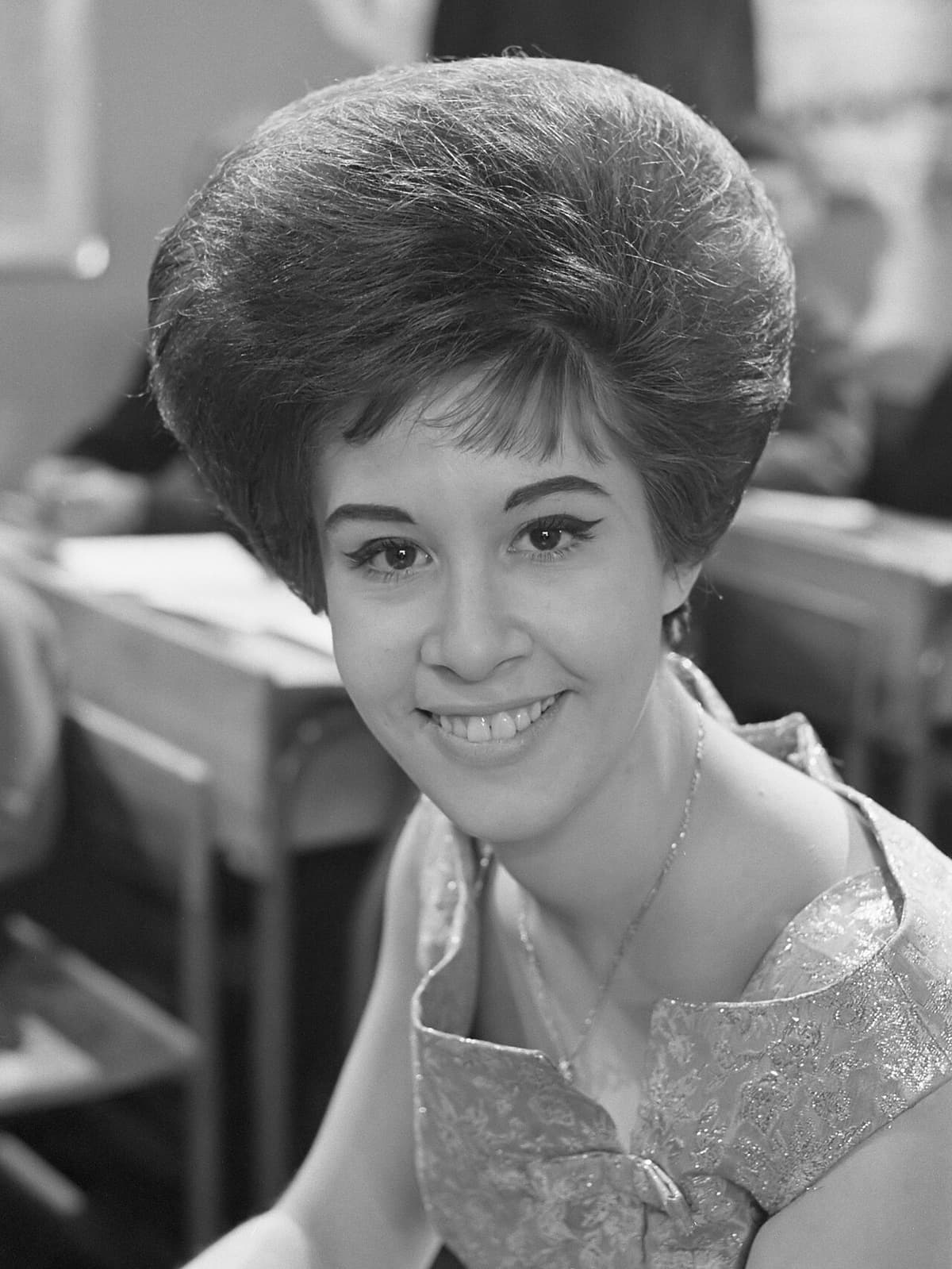
Shares traditional pop, vocal jazz, swing (subgenres); coffee shop, sunday morning, urban night (atmosphere)
Shares traditional pop, vocal jazz, swing (subgenres); analog warmth, live recording, studio polished (production style)

Shares traditional pop, vocal jazz, swing (subgenres); analog warmth, orchestral arrangement, live recording (production style)
Shares traditional pop, vocal jazz, swing (subgenres); orchestral arrangement, studio polished, analog warmth (production style)
Shares traditional pop, vocal jazz, swing (subgenres); analog warmth, live recording, orchestral arrangement (production style)
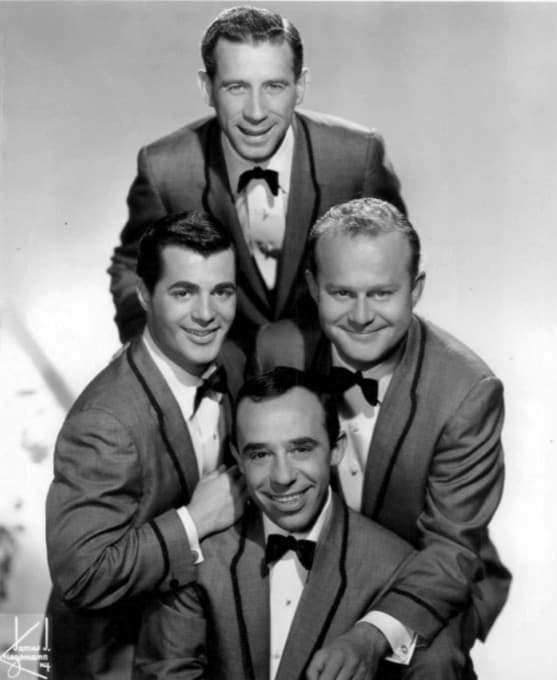
Shares traditional pop, vocal jazz, swing (subgenres); analog warmth, orchestral arrangement, live recording (production style)
Shares traditional pop, vocal jazz, swing (subgenres); analog warmth, orchestral arrangement, live recording (production style)
Shares traditional pop, vocal jazz (subgenres); analog warmth, studio polished, orchestral arrangement (production style)
Shares traditional pop, vocal jazz, swing (subgenres); studio polished, analog warmth, orchestral arrangement (production style)
Shares swing, traditional pop, vocal jazz, sentimental (subgenre)
Shares swing, traditional pop, alto, vocal jazz (subgenre)
Cassette uses generative AI to enrich its catalog. How we use AI →
