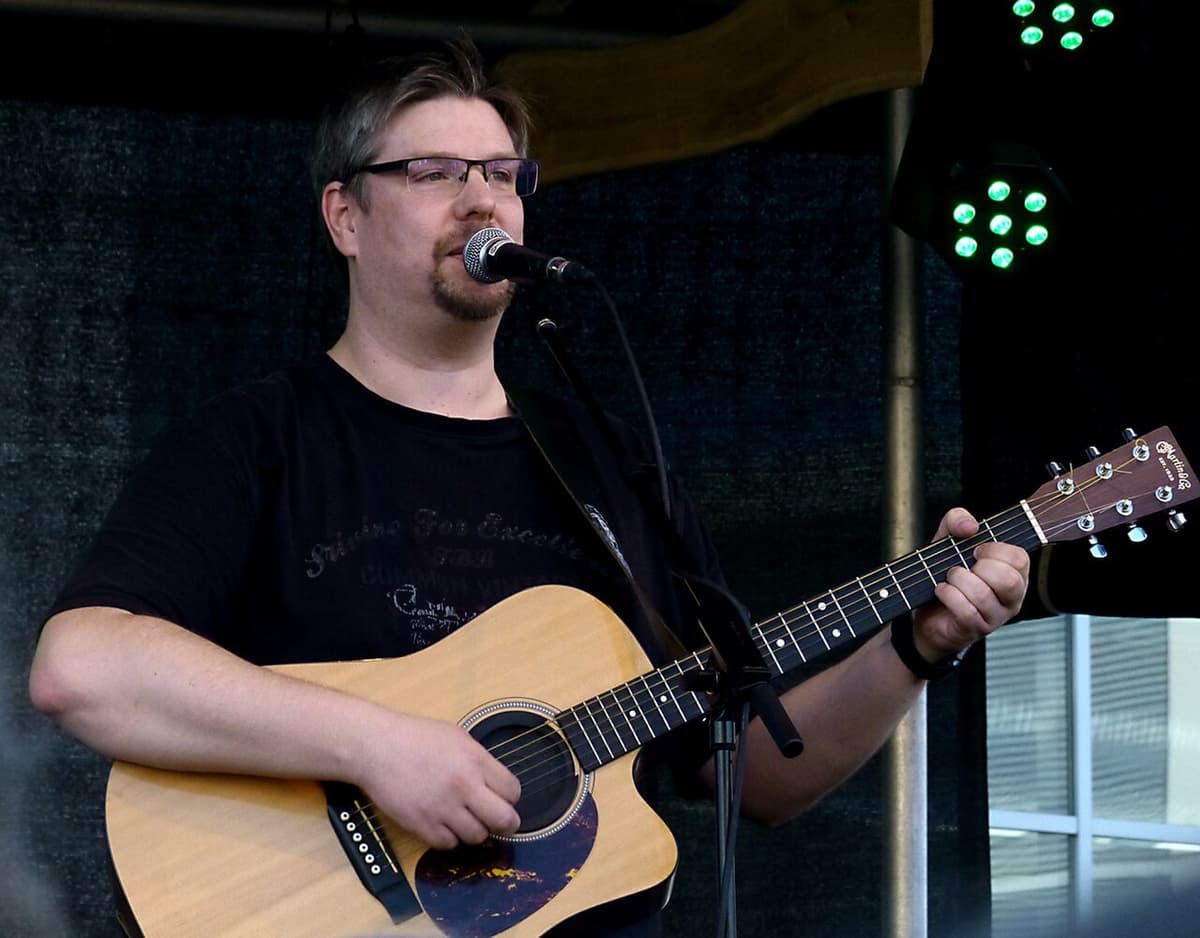
Jan Hegenberg
Playful German pop-rock and acoustic ballads dedicated to the golden era of gaming. Nostalgic, witty, and deeply rooted in early internet and eSport culture.
Playful German pop-rock and acoustic ballads dedicated to the golden era of gaming. Nostalgic, witty, and deeply rooted in early internet and eSport culture.
Jan Hegenberg sounds like the unofficial bard of the 2000s LAN party. His music is a blend of catchy acoustic rock and straightforward pop, characterized by a warm, unpretentious production style that feels like it was recorded in a friend's living room. The melodies are simple and singable, often relying on a steady acoustic strum and a relatable, baritone vocal delivery that prioritizes storytelling over technical flourish.
What truly sets Hegenberg apart is his hyper-specific subject matter. He pioneered the 'Gamer Music' niche in Germany, writing anthems about Counter-Strike, cheaters, and the unique social dynamics of the eSport scene. There is a genuine sense of community in his work; he isn't mocking the culture, but celebrating it from the inside with a mix of satire and sincere affection.
For those new to his catalog, starting with 'Gamer sind geil!' or the early 'DEMOtape' tracks is essential. These releases capture the peak of his cultural impact, offering a time capsule of early 21st-century digital life. It is the perfect soundtrack for anyone who remembers the hum of a CRT monitor and the specific camaraderie of online gaming before it went mainstream.
Shares bedroom production, stripped back, studio polished (production style); acoustic folk, pop rock (subgenres)
Shares playful, nostalgic, energetic (moods); acoustic folk, pop rock (subgenres)
Shares acoustic folk, pop rock, indie pop (subgenres); acoustic guitar, electric guitar, drums (instrumentation)
Shares pop rock, indie pop (subgenres); baritone, harmonized (vocal style)
Shares bedroom production, lo fi, stripped back (production style); playful, nostalgic (moods)
Shares playful, nostalgic, energetic (moods); bedroom production, stripped back, lo fi (production style)
Shares humor satire, basement show, acoustic folk, stripped back (signature)
Cassette uses generative AI to enrich its catalog. How we use AI →