
Josipa Lisac
Theatrical, avant-garde art rock led by a singular, commanding contralto. It is the sound of high drama, vintage jazz-fusion, and deep Yugoslavian soul.
Theatrical, avant-garde art rock led by a singular, commanding contralto. It is the sound of high drama, vintage jazz-fusion, and deep Yugoslavian soul.
Josipa Lisac sounds like a grand theater performance captured in a smoky jazz club. Her music is defined by a voice that refuses to be background noise: a rich, elastic contralto that slides between operatic precision and raw rock intensity. There is a weight to her sound, a sense of high stakes and deep emotional intelligence that makes every track feel like a definitive statement.
What truly sets her apart is her fearless approach to genre. While her foundations are in rock and classical training, she effortlessly weaves in elements of funk, jazz fusion, and traditional Balkan sensibilities. Her phrasing is unconventional, often stretching syllables or using vocal leaps that would feel out of place in standard pop but feel essential in her hands. It is music for people who value technical mastery as much as emotional vulnerability.
Start with the 1973 masterpiece 'Dnevnik jedne ljubavi'. It is the definitive entry point into her world, blending psychedelic rock textures with sophisticated songwriting. From there, explore her jazz-rock collaborations to see how her voice functions as a lead instrument in a more improvisational setting.
Josipa Lisac (pronounced [jɔ̌sipa lǐːsat͡s]; born 14 February 1950) is a Croatian and Yugoslav singer whose work has spawned many different genres, from rock and pop to jazz and ethnic music. Known for her unique contralto, Lisac is widely considered one of the most notable female vocalists of the Yugoslav popular music scene. Starting her professional career as the vocalist for the rock band O'Hara in 1967, Lisac immediately gained the attention of the Yugoslav audience and the media. In 1968, she moved to the band Zlatni Akordi, starting her solo career during the same year. During the initial phase of her solo career, she performed on Yugoslav pop festivals, gaining large attention of the public. After a series of 7-inch singles, she released her debut album Dnevnik jedne ljubavi in 1973, today widely considered one of the best albums in the history of Yugoslav popular music. The album featured songs composed by her husband Karlo Metikoš, who continued to play a pivotal role in her career in the following years. After her second studio release, a jazz rock album recorded with B.P. Convention Big Band International, and her third studio album, Made in U.S.A., featuring songs written by a number of prominent American songwriters, Lisac turned to contemporary rock sound. Her following releases, despite bringing several hit songs, did not repeat the commercial and critical success of her debut. In the mid-1980s, she turned to performing on Yugoslav pop festivals, appearing in extravagant and flamboyant costumes, the new phase of her career reaching its highlight with the 1987 album Boginja. Following Meikoš's death in 1991, she organized tribute concerts in his honor, three of them released on live albums, and has released three more studio albums, the 2009 album Živim po svom being her latest studio release. During her career, Lisac has collaborated with a number of acts of the Croatian and Yugoslav music scenes and has received a number of awards for her work.
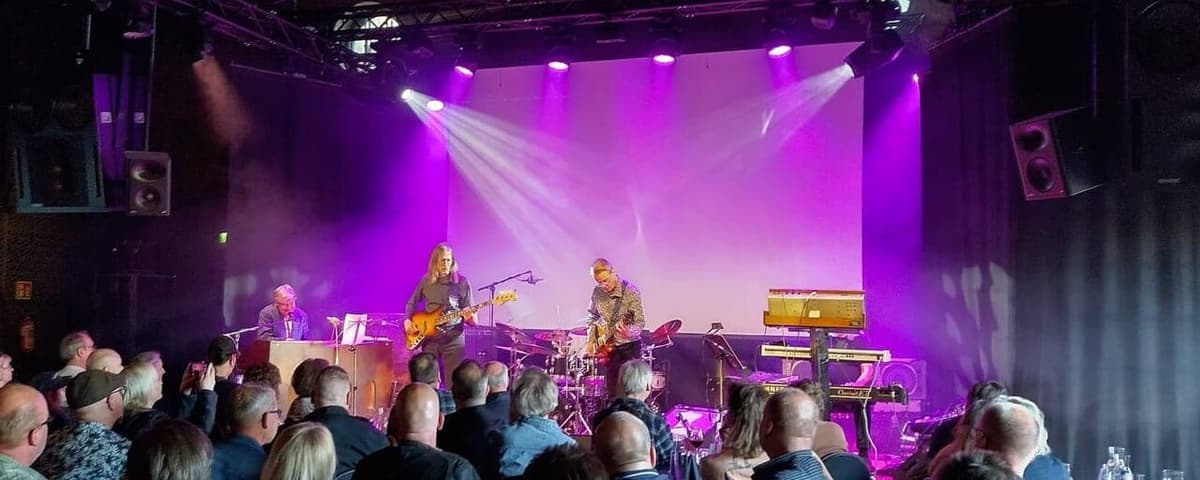
Shares art rock, jazz fusion, psychedelic rock (subgenres); analog warmth, orchestral arrangement, studio polished (production style)
Shares late night, urban night, fog (atmosphere); analog warmth, studio polished, layered dense (production style)
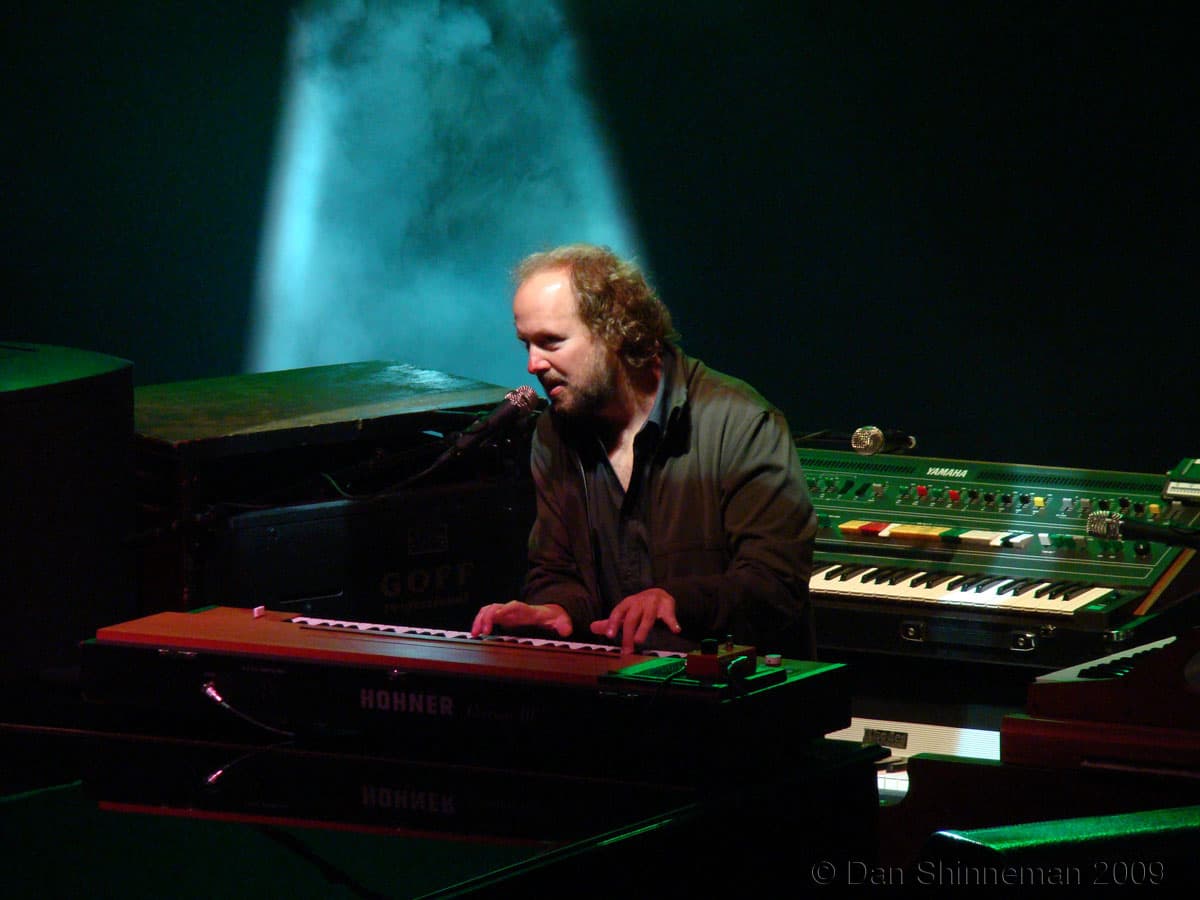
Shares art rock, jazz fusion, psychedelic rock (subgenres); analog warmth, studio polished, layered dense (production style)
Shares art rock, progressive rock, psychedelic rock (subgenres); late night, urban night, fog (atmosphere)
Shares progressive rock, art rock, jazz fusion (subgenres); mysterious, contemplative, wistful (moods)
Shares progressive rock, psychedelic rock, jazz fusion (subgenres); analog warmth, studio polished, layered dense (production style)
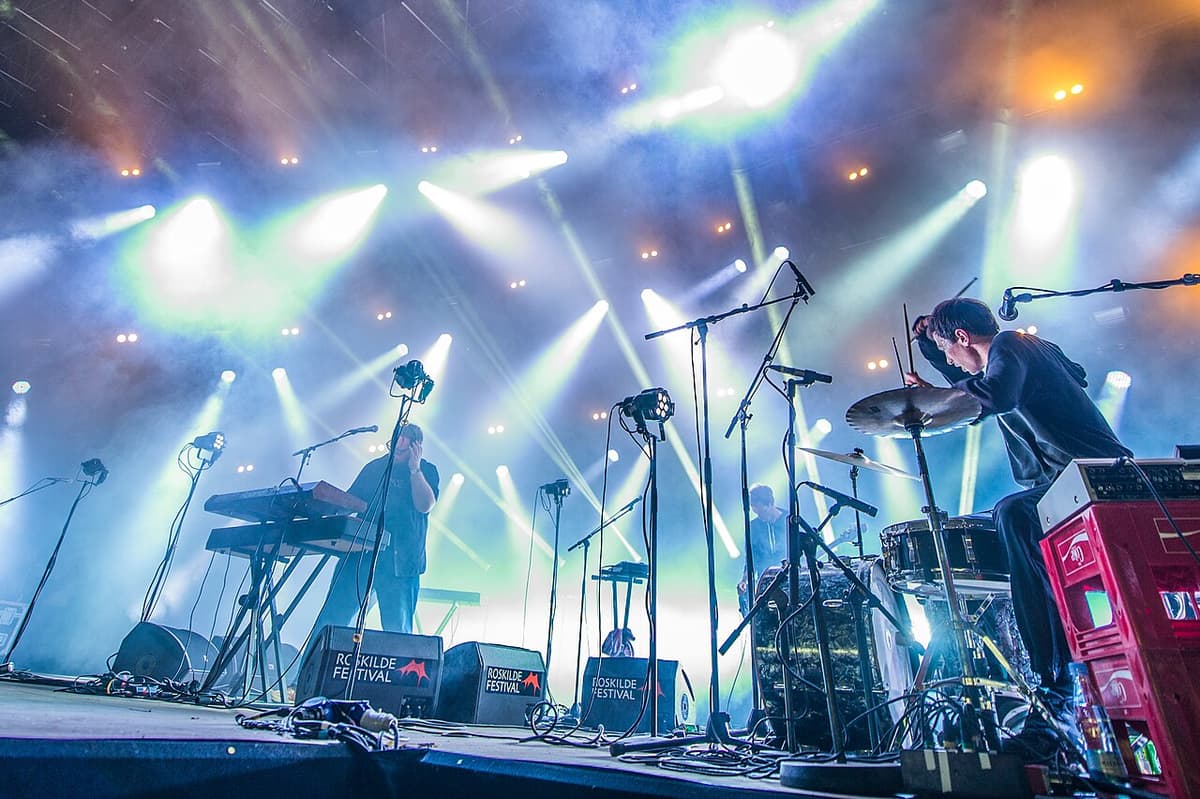
Shares analog warmth, studio polished, layered dense (production style); late night, urban night, fog (atmosphere)
Shares analog warmth, orchestral arrangement, studio polished (production style); art rock, progressive rock (subgenres)
Shares art rock, jazz fusion, psychedelic rock (subgenres); analog warmth, studio polished, layered dense (production style)
Shares progressive rock, psychedelic rock, art rock (subgenres); analog warmth, studio polished, layered dense (production style)
Shares art rock, mysterious, jazz fusion, progressive rock (signature)
Cassette uses generative AI to enrich its catalog. How we use AI →


