Kate Bush
Theatrical, high-concept pop that feels like a gothic novel set to synthesizers. Lush, cinematic, and deeply imaginative music for the dreamers and the eccentrics.
Theatrical, high-concept pop that feels like a gothic novel set to synthesizers. Lush, cinematic, and deeply imaginative music for the dreamers and the eccentrics.
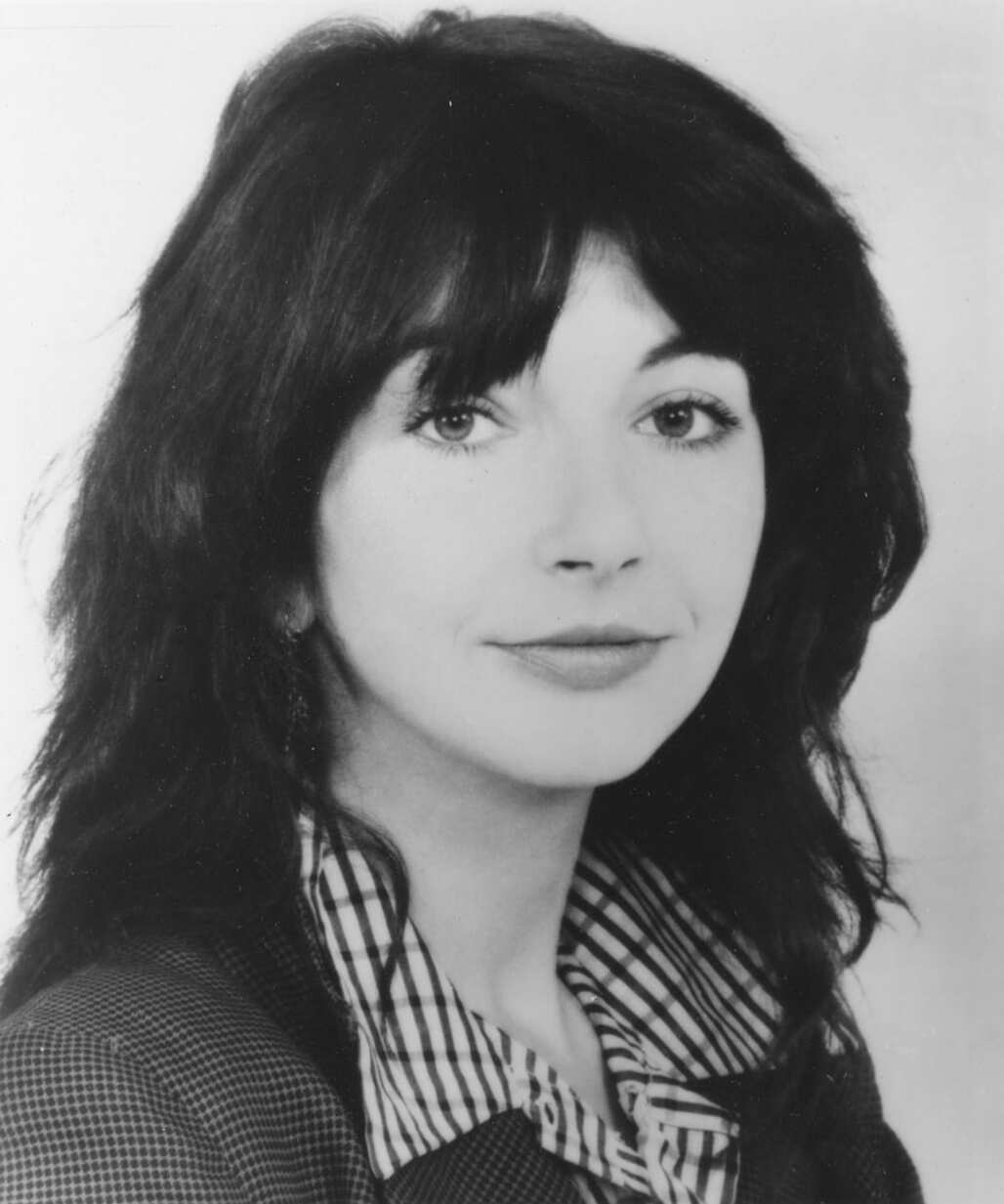
Signed to EMI as a teenager after a demo tape funded by Pink Floyd's David Gilmour caught the label's attention, Kate Bush bypassed the traditional path of the British pop singer to build her own singular world.
Emerging in 1978 with her self-written debut single "Wuthering Heights," the English singer, songwriter, and producer combined literature, theater, and modern dance with pioneering synth-pop. By taking full control of her studio production starting with 1982's *The Dreaming*, she established a highly idiosyncratic art-pop template that favored dense, thematic songwriting and cinematic arrangements over standard pop structures.
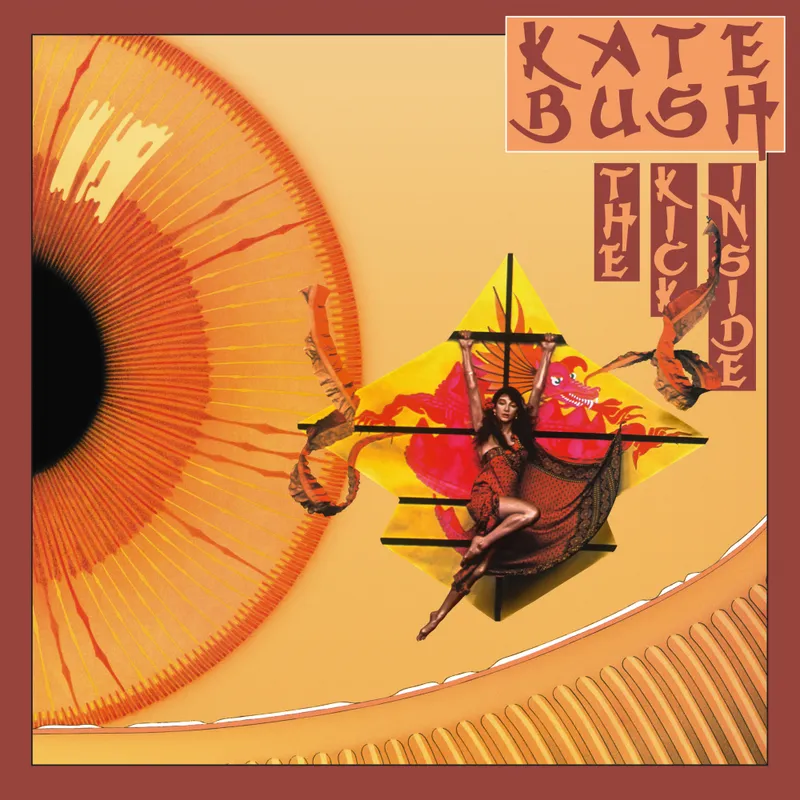
A sharp intake of breath precedes a high, piercing wail that sounds less like a debut and more like an ancient spirit claiming its birthright. These thirteen songs wrap literary ghosts in the heavy, velvet warmth of seventies analog tape, where grand pianos collide with progressive rock grandeur. You are not merely listening to art pop; you are trespassing inside a lush, theatrical dreamscape where the boundaries of the human voice are permanently redrawn.
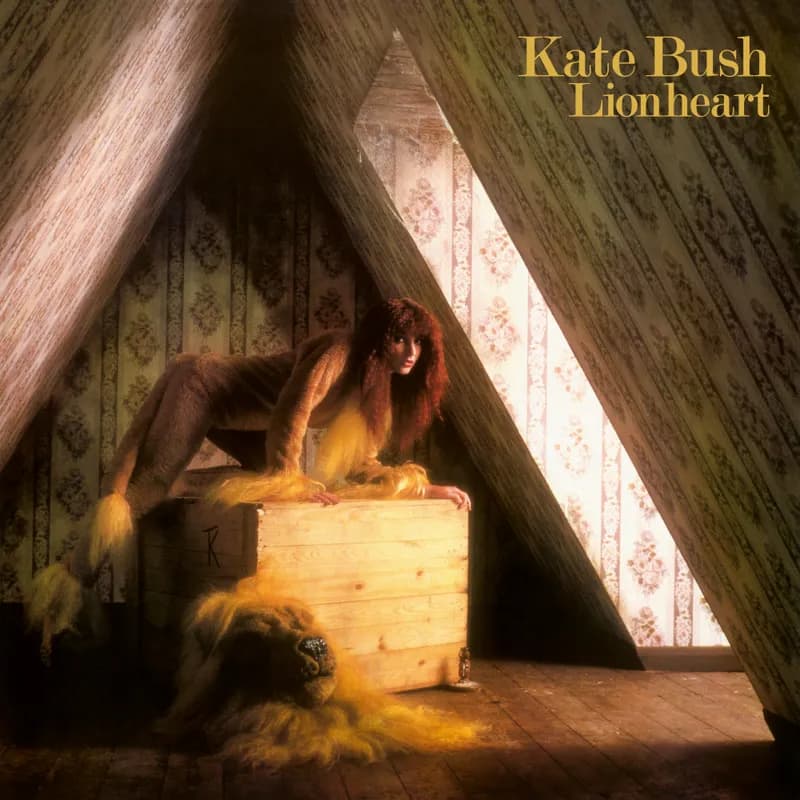
A gothic cinema screen flickering behind heavy velvet curtains.
A theatrical, piano-led journey through gothic fairy tales, cinematic paranoia, and lush baroque pop, delivered with acrobatic vocal brilliance.

Cold digital samples from a pioneering Fairlight keyboard.
A theatrical masterclass in early synth-pop and baroque art pop, blending pioneering Fairlight CMI sampling with dark, literary storytelling.
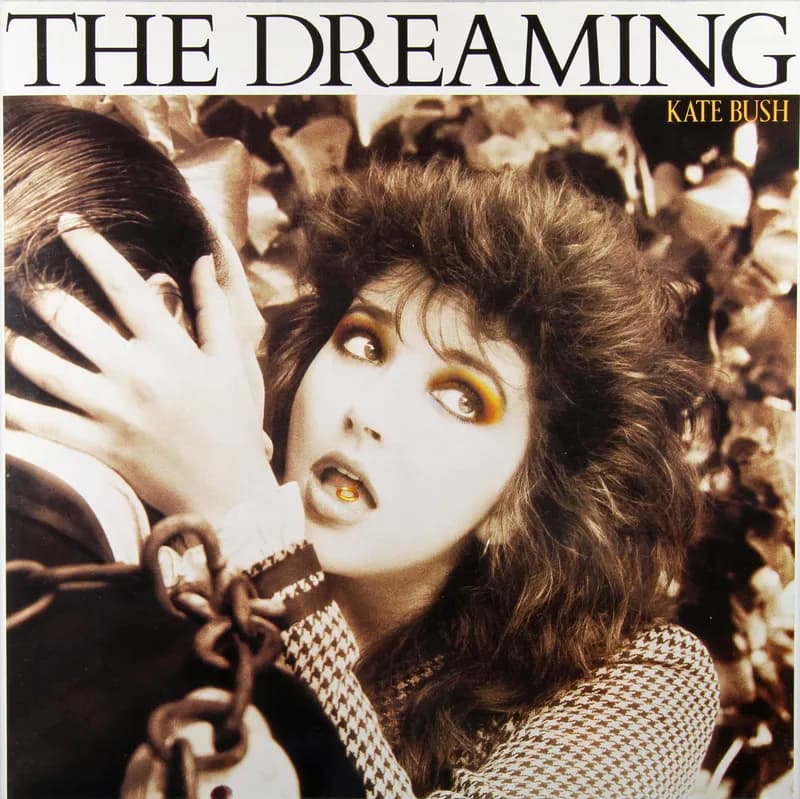
A sharp, metallic clatter of Fairlight samplers and feverish, multi-tracked shrieks shattered the polite piano-pop of her early career. Taking sole control of the mixing desk for the first time, she traded lush romanticism for a claustrophobic, self-produced theater of obsession. You are plunged into a dense thicket of heavy rhythms, cinematic slang, and unsettling vocal distortions that initially baffled the charts but redefined the boundaries of art pop. It remains the pivotal moment she ceased being a prodigy to be managed and became an auteur, proving that absolute creative control could yield something wonderfully strange and uncompromising.
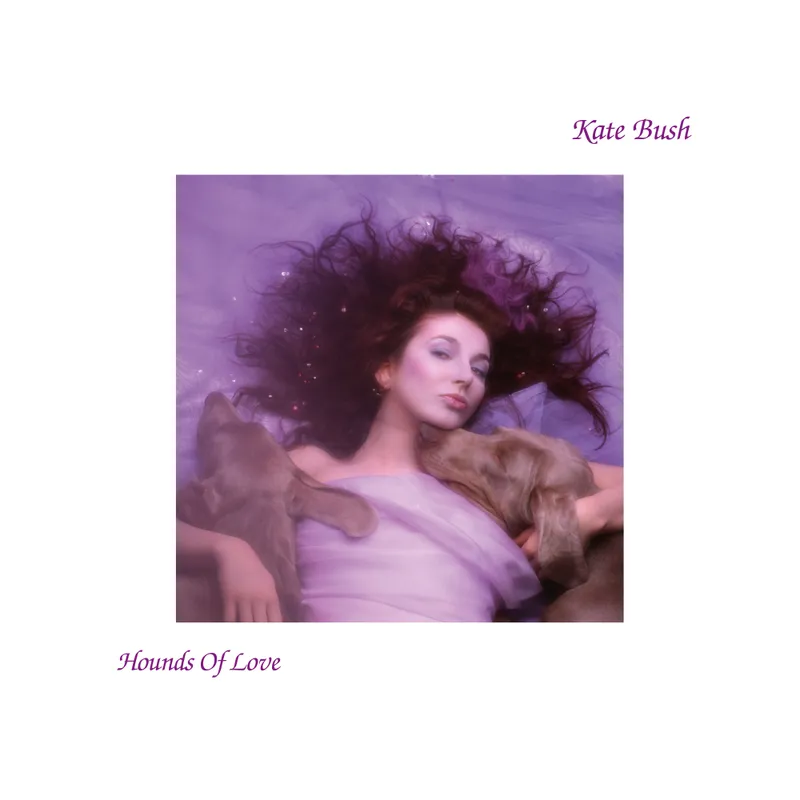
Orchestral synth-pop swallowed by a dark ocean
A Fairlight CMI synthesizer mimics the heavy thud of a steam engine, transforming high-art paranoia into the most triumphant pop music ever made. This is the moment a brilliant recluse mastered the studio as her primary instrument, rescuing her career from avant-garde isolation by fusing massive, chart-topping hooks with a terrifyingly intimate B-side suite about drowning. You are pulled from the ecstatic, cinematic heights of soaring string arrangements straight into the dark, freezing waters of the English Channel. It remains the definitive proof that uncompromising, self-produced genius could conquer the mainstream without losing an ounce of its strange, wild magic.
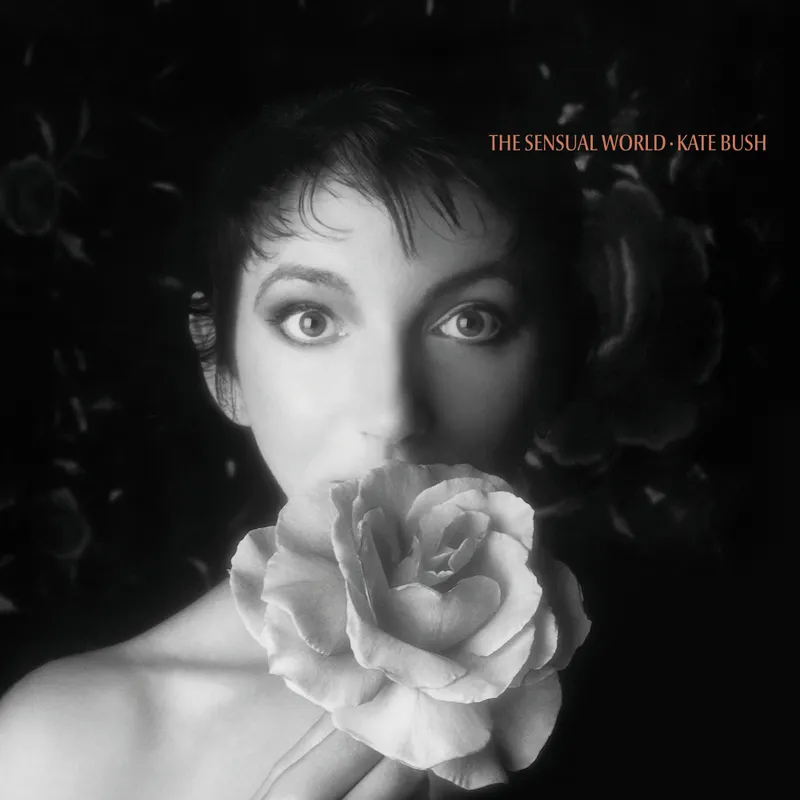
Damp grass under bare feet and the low, woody hum of Celtic pipes replace the cold synthesizers of the late eighties. This music breathes with a heavy, physical warmth, wrapping Bulgarian choral harmonies around quiet bedroom secrets. It feels like stepping out of a dusty library straight into a wet, blooming garden. You can hear the exact weight of velvet and soil in these songs, where literary ghosts finally get to touch, taste, and run.

Bright brass-accented fanfares burst from the studio stage, while the rhythm section drives the band forward, and the horn players lean into the hot lights.
A deeply personal, live-band-oriented art pop record balancing theatrical, kinetic energy with profound, grief-stricken ballads.

A washing machine rhythm and the chatter of garden birds replace the theatrical pop of her youth. Emerging from a twelve-year silence, this double record trades high drama for the quiet hum of domestic life. You are invited into a sun-drenched afternoon where chores become sacred and grief drifts away on pastoral art-pop suites. It is a patient, deeply comforting space, proving that her singular voice never lost its magic, only found a softer place to land.
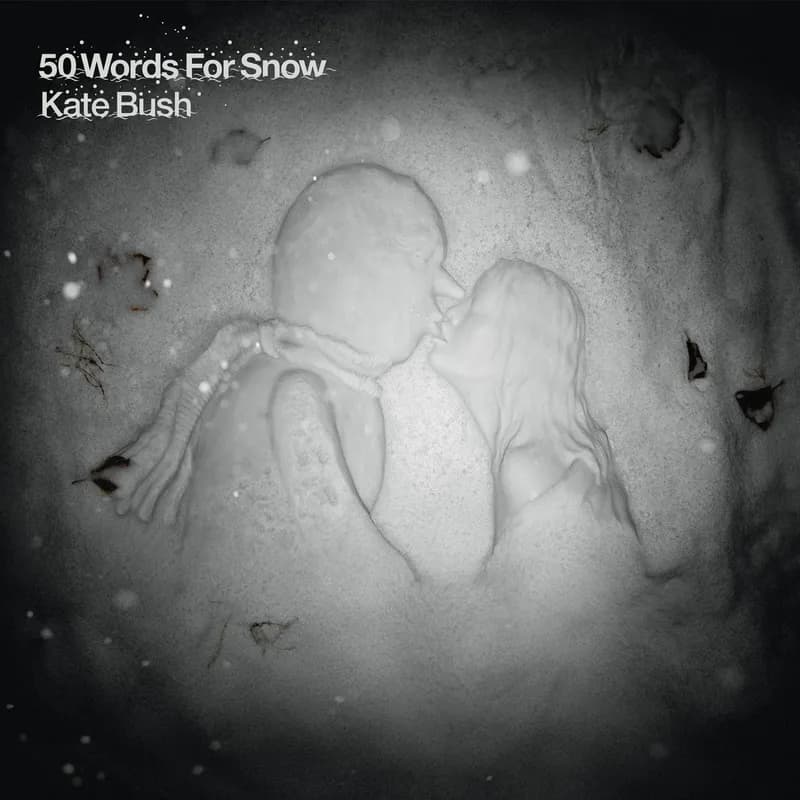
A quiet librarian reading whispered spoken-word lists of forgotten names, as the cold radiator clicks.
Sixty-five minutes of quiet, jazz-tinged piano and hushed storytelling set against a backdrop of falling snow. Patient, intimate, and deeply wintry.
Bush remains a quiet, self-directed institution, currently inactive in the studio but secure in her status as a premier architect of independent pop vision.
Her body of work stands as a rare testament to complete creative self-determination, showing how an artist can successfully trade the frantic pace of the industry for a patient, domestic pace without losing an ounce of her mystique. While she has not released a new studio album since 2011, her occasional archival projects and rare public statements confirm that she still dictates the terms of her own legacy.
Shares art pop, chamber pop, baroque pop (subgenres); mysterious, playful, intense (moods)
Shares mysterious, wistful, playful (moods); art pop, chamber pop (subgenres)

Shares art pop, baroque pop, chamber pop (subgenres); layered_dense, analog_warmth, maximalist (production style)
Shares art pop, baroque pop (subgenres); vocal_layering, breathy (vocal style)
Shares layered_dense, analog_warmth, maximalist (production style); art pop, chamber pop (subgenres)
Shares art pop, chamber pop, baroque pop (subgenres); layered_dense, analog_warmth (production style)
Shares mysterious, wistful, playful (moods); art rock, chamber pop (subgenres)
Shares art pop, baroque pop, chamber pop (subgenres); soprano, vocal_layering, breathy (vocal style)
Shares art pop, baroque pop, soprano, cello (signature)
Cassette uses generative AI to enrich its catalog. How we use AI →