LoneLady
Brittle, rhythmic post-punk that finds the groove in industrial decay. Sharp Telecaster riffs meet mechanical drum machine pulses for a solitary urban dance.
Brittle, rhythmic post-punk that finds the groove in industrial decay. Sharp Telecaster riffs meet mechanical drum machine pulses for a solitary urban dance.
LoneLady sounds like the intersection of a cold concrete skyline and a deep, internal rhythmic pulse. It is music that feels both highly disciplined and restlessly alive, built on the foundation of scratchy, funk-inflected guitars and the relentless ticking of vintage drum machines. There is a specific Manchester grit here, but it is polished to a high-tensile sheen, trading the gloom of traditional post-punk for a vibrant, danceable urgency.
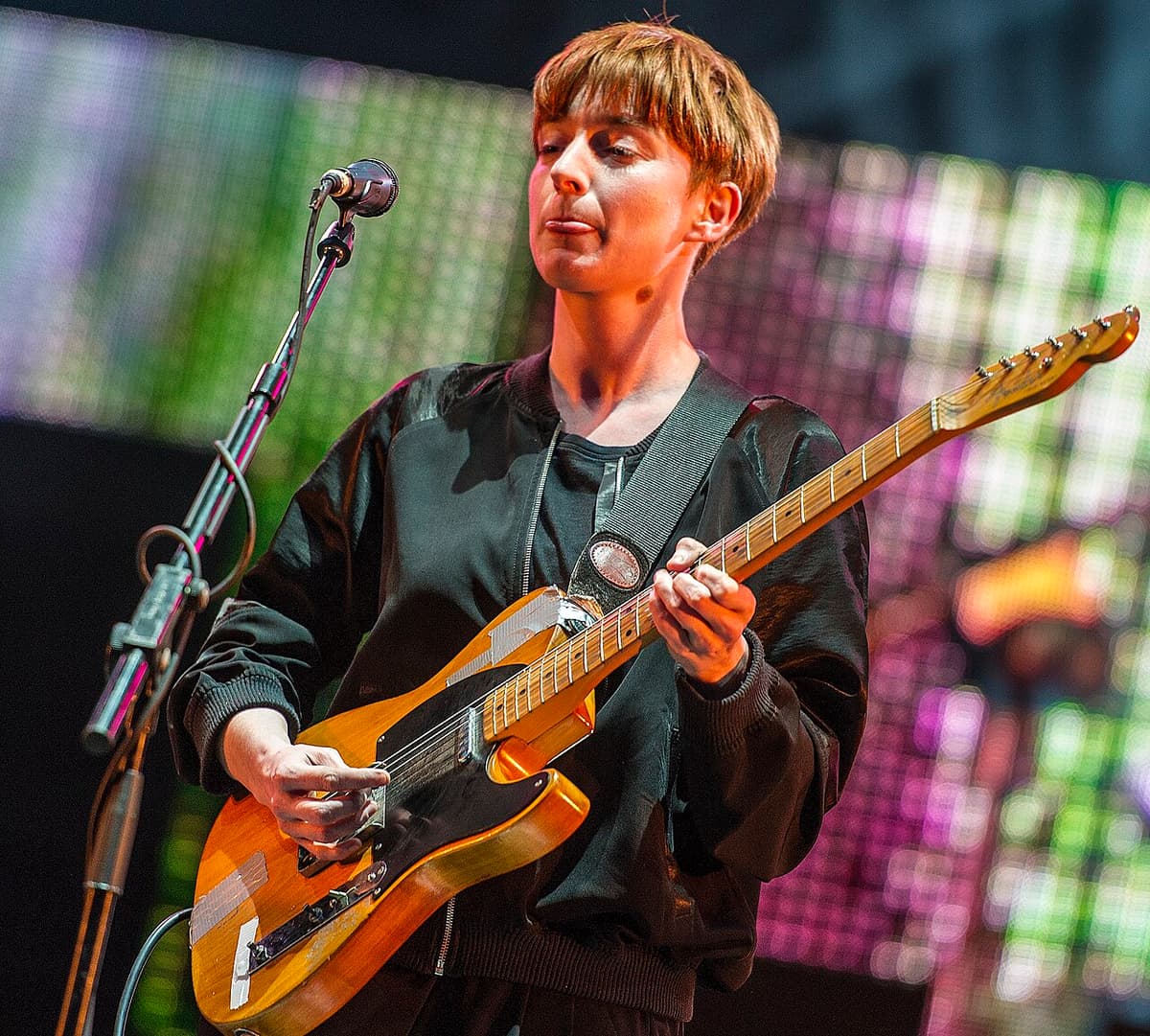
What makes Julie Campbell's work distinctive is her commitment to economy. Every note serves a purpose, and every silence is intentional. She treats the electric guitar as a percussive tool, locking in with mechanical beats to create a sound that is simultaneously skeletal and lush. It is the sound of a singular artist building a world out of basic tools, inspired by the psychogeography of her surroundings and the ghosts of factory-era dance floors.
Start with the album Hinterland. It is the definitive expression of her sound, where the starkness of her debut meets a newfound love for the groove. Tracks like 'Groove It Out' and 'Bunkerpop' serve as perfect entry points into her world of industrial pop and rhythmic precision.
Julie Campbell, known as LoneLady, is a music artist from Manchester, England, influenced by the post-punk era, but later integrating dance and funk influences. She first started making music on a 4-track cassette recorder in her towerblock flat in Manchester while completing a Fine Art degree. Her stark, early first gigs featured Campbell alone playing electric guitar along to a drum machine. She would later have a 4-piece live band, however. Campbell came to the attention of Warp who signed her in 2009. Her first album, Nerve Up, was released in 2010 to widespread critical acclaim. NME called it a "unique, brilliant debut ... we should celebrate LoneLady as the arrival of a fresh and invigorating voice whose talent transcends time and space and influence"; it also drew praise from music journalist Paul Morley. Campbell's music is characterised by a lo-fi, economical approach; she has said that "Working with basic tools, mainly an 8-track cassette recorder, a telecaster and a drum machine forced me to be economical and inventive, and set an aesthetic blueprint for the way I like to work, to keep things stark and urgent." Inspired by psychogeography, with dance and funk influences coming to the fore, Campbell's second album Hinterland was released in 2015, also to widespread critical acclaim. The Quietus called it a "vibrant and urgent combination of genealogy and vision – and it is this that truly makes it a masterpiece." All four singles released from Hinterland reached the 'A' Playlist on BBC 6 Music; Campbell also received a Sky Arts nomination for Best Breakthrough Artist.
Shares minimalist, bedroom production, drum machine (production style); post-punk, indie rock (subgenres)
Shares lo fi, minimalist, bedroom production (production style); deadpan, breathy, intense (vocal style)
Shares post-punk, dance-pop (subgenres); lo fi, drum machine, minimalist (production style)
Shares post-punk, indie rock (subgenres); deadpan, breathy, narrating (vocal style)
Shares minimalist, drum machine, lo fi (production style); electric guitar, drum machine, keys/synth (instrumentation)

Shares urgent, restless, defiant (moods); electric guitar, drum machine, keys/synth (instrumentation)
Shares bedroom production, minimalist, crisp clean (production style); urban night, dusk, solitude (atmosphere)
Shares minimalist, drum machine, lo fi (production style); electric guitar, drum machine, keys/synth (instrumentation)
Shares lo fi, drum machine, minimalist (production style); electric guitar, drum machine, keys/synth (instrumentation)
Cassette uses generative AI to enrich its catalog. How we use AI →