Nacho Picasso is a pivotal figure in the Pacific Northwest underground hip-hop scene, specifically associated with the 'cloud rap' movement of the early 2010s. His sound identity is inextricably linked to the production duo Blue Sky Black Death, whose cinematic, reverb-drenched, and gothic-influenced beats provided the perfect canvas for his 'tat in the hat' persona.
Career-wise, his run from 2011 to 2015 established him as a cult icon, blending the aesthetic of a comic book villain with the realities of Seattle street life. Critically, he is praised for his unique lyrical voice, which eschews traditional rap bravado for a more cynical, self-aware, and darkly humorous approach. He occupies a specific cultural space between the 'sad boy' aesthetic and traditional gangsta rap, influencing a wave of alternative rappers who prioritize atmosphere and persona over technical speed. His work remains a benchmark for atmospheric production in hip-hop.


Shares cloud rap, abstract hip-hop, trap (subgenres); reverb_heavy, layered_dense, sample_based (production style)
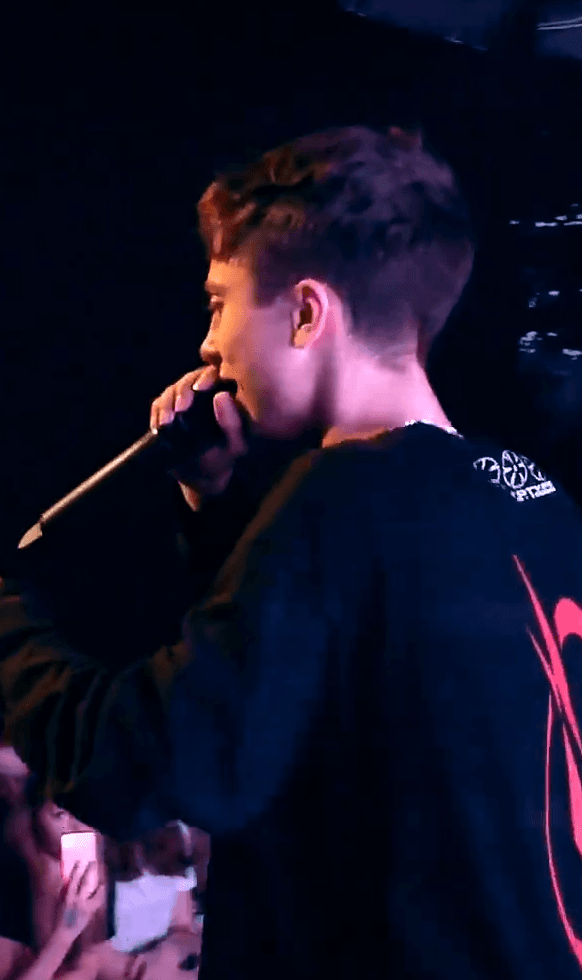
Shares cloud rap, abstract hip-hop, trap (subgenres); reverb_heavy, layered_dense, sample_based (production style)
Shares cloud rap, abstract hip-hop, trap (subgenres); brooding, mysterious (moods)
Shares cloud rap, abstract hip-hop, trap (subgenres); brooding, mysterious (moods)
Shares cloud rap, abstract hip-hop, trap (subgenres); deadpan, raspy, rap (vocal style)
Shares cloud rap, abstract hip-hop, trap (subgenres); reverb_heavy, sample_based, lo_fi (production style)
Shares cloud rap, abstract hip-hop, trap (subgenres); deadpan, raspy, rap (vocal style)
Shares cloud rap, abstract hip-hop, trap (subgenres); brooding, mysterious (moods)
Shares cloud rap, abstract hip-hop, trap (subgenres); brooding, mysterious (moods)
Shares fog, deadpan, cloud rap, abstract hip-hop (signature)
Cassette uses generative AI to enrich its catalog. How we use AI →